Georgia to Illinois: live carrier pricing
| Open transport (most vehicles) | $1,005 – $1,225 |
| Enclosed transport | $1,605 – $1,955 |
| Lane distance | 725 miles |
| Typical transit | 1–3 days |
Quoted from our carrier network on September 29, 2026 for a standard operable car, door to door.
Auto transport is a live market, so your exact price depends on vehicle size, timing and current truck availability on this lane.
How Much Does It Cost to Ship a Car from Georgia to Illinois?
Shipping a car from Georgia to Illinois typically costs between $1,290 and $1,570 for open transport, while enclosed transport runs $2,065 to $2,515. The 725-mile journey between states like Atlanta and Chicago takes 1–3 days, and your final price depends on your vehicle type, trailer choice, seasonal demand, and pickup flexibility. Here’s everything that moves the number—and how to ship your car the simple way.
Get your instant car shipping price
Real quote in seconds. Enter your details and we’ll show your price instantly.
No spam — we only use this to send your quote and confirm your booking.
What You’ll Pay to Ship a Car from Georgia to Illinois
The baseline cost for open-carrier auto transport from Georgia to Illinois sits at $1,290–$1,570. That range covers standard sedans and SUVs on multi-car open trailers, the method used for roughly 80% of all shipments on this route. Enclosed transport—full walls, roof, and climate protection—costs $2,065–$2,515, nearly double but essential for luxury, classic, or high-value vehicles. If you need guaranteed pickup within 24–48 hours, expedited open service runs about $2,105, though most customers find standard scheduling works fine for the short 725-mile haul.
Your actual quote will land somewhere in these ranges based on four factors. Vehicle size and weight matter most: a compact sedan ships cheaper than a three-row SUV or lifted truck because carriers price by deck space and total load weight. Pickup and delivery locations come next—metro-to-metro routes like Atlanta to Chicago cost less than rural-to-rural because carriers run those lanes daily. Seasonal demand ebbs and flows, though Georgia–Illinois sees steady year-round volume without the dramatic snowbird spikes of Sun Belt routes. Finally, trailer type drives the biggest price gap: open trailers are abundant and economical; enclosed trailers are scarce and premium-priced. No one can quote you a guaranteed price without knowing your vehicle and dates, but these ranges reflect real market rates for this specific corridor.

Open vs. Enclosed: Which Makes Sense for Georgia to Illinois?
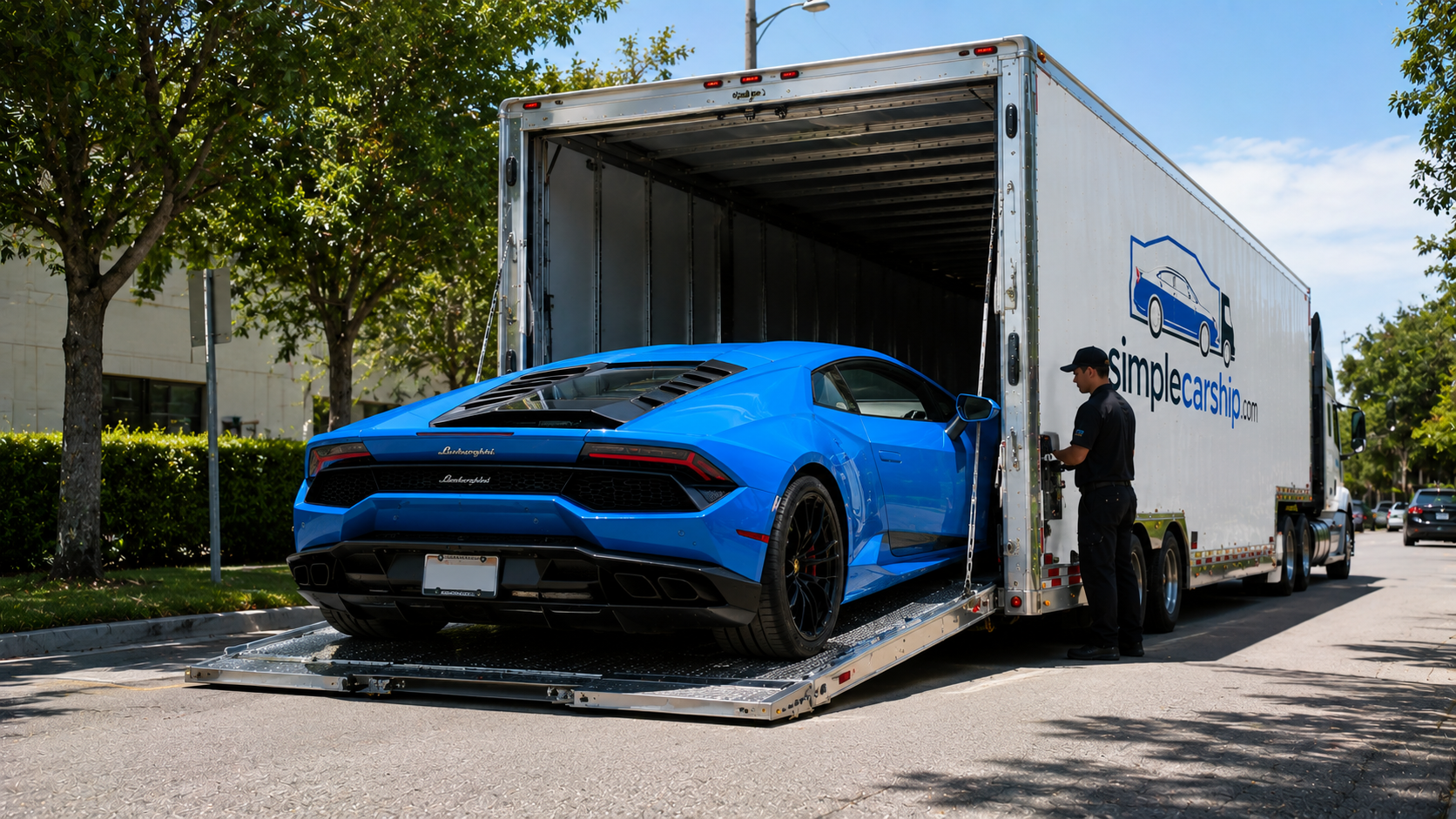
For the 725-mile run between Georgia and Illinois, open transport handles the job for most cars. Your vehicle rides exposed to weather on a two-tier trailer alongside up to eight other cars, the same way dealerships move inventory coast to coast. It’s safe, insured, and priced at $1,290–$1,570. Rain might leave water spots; road dust is inevitable. But structural damage from weather is vanishingly rare, and the savings let you spend elsewhere. If you’re moving a daily-driver sedan, crossover, or pickup, open is the straightforward choice.
Enclosed transport makes sense in three scenarios. First, high-value vehicles—luxury cars, six-figure sports cars, or pristine classics—justify the $2,065–$2,515 premium when replacement cost or sentimental value is steep. Second, low-clearance exotics or modified show cars that can’t safely navigate loading ramps or risk road-chip damage need the enclosed environment. Third, brand-new vehicles ordered from out-of-state dealers sometimes ship enclosed to arrive showroom-perfect. The trailer is fully walled, often climate-controlled, and carries two to seven cars max. You’re paying for scarcity and peace of mind, not for fundamentally safer transport—both methods are insured and professionally managed.
| Feature | Open Transport | Enclosed Transport |
|---|---|---|
| Price (GA→IL) | $1,290–$1,570 | $2,065–$2,515 |
| Transit Time | 1–3 days | 1–3 days |
| Protection | Insured; exposed to weather | Insured; fully enclosed |
| Best For | Daily drivers, standard vehicles | Luxury, classic, exotic, show cars |
How Car Shipping Works from Georgia to Illinois
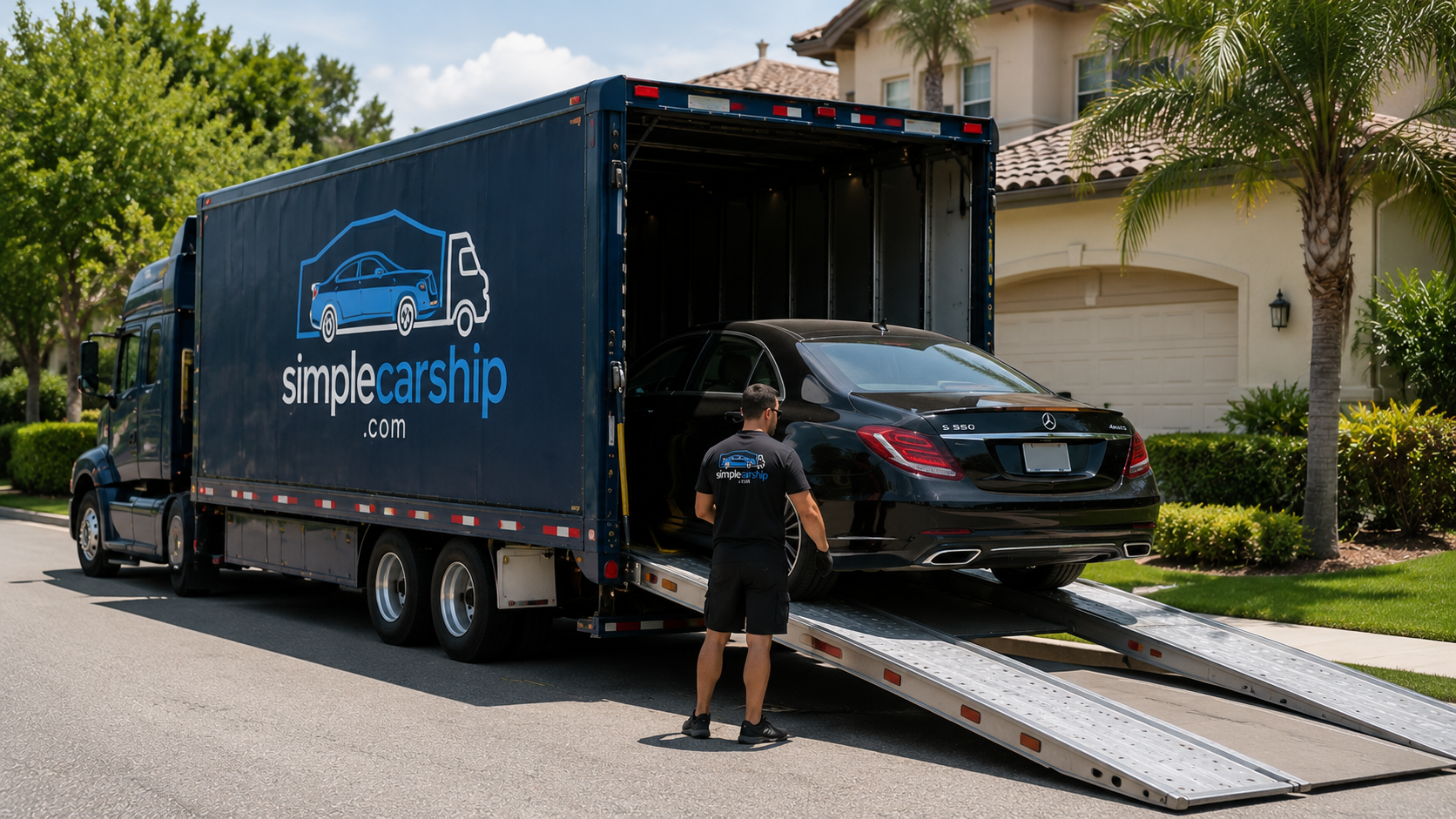
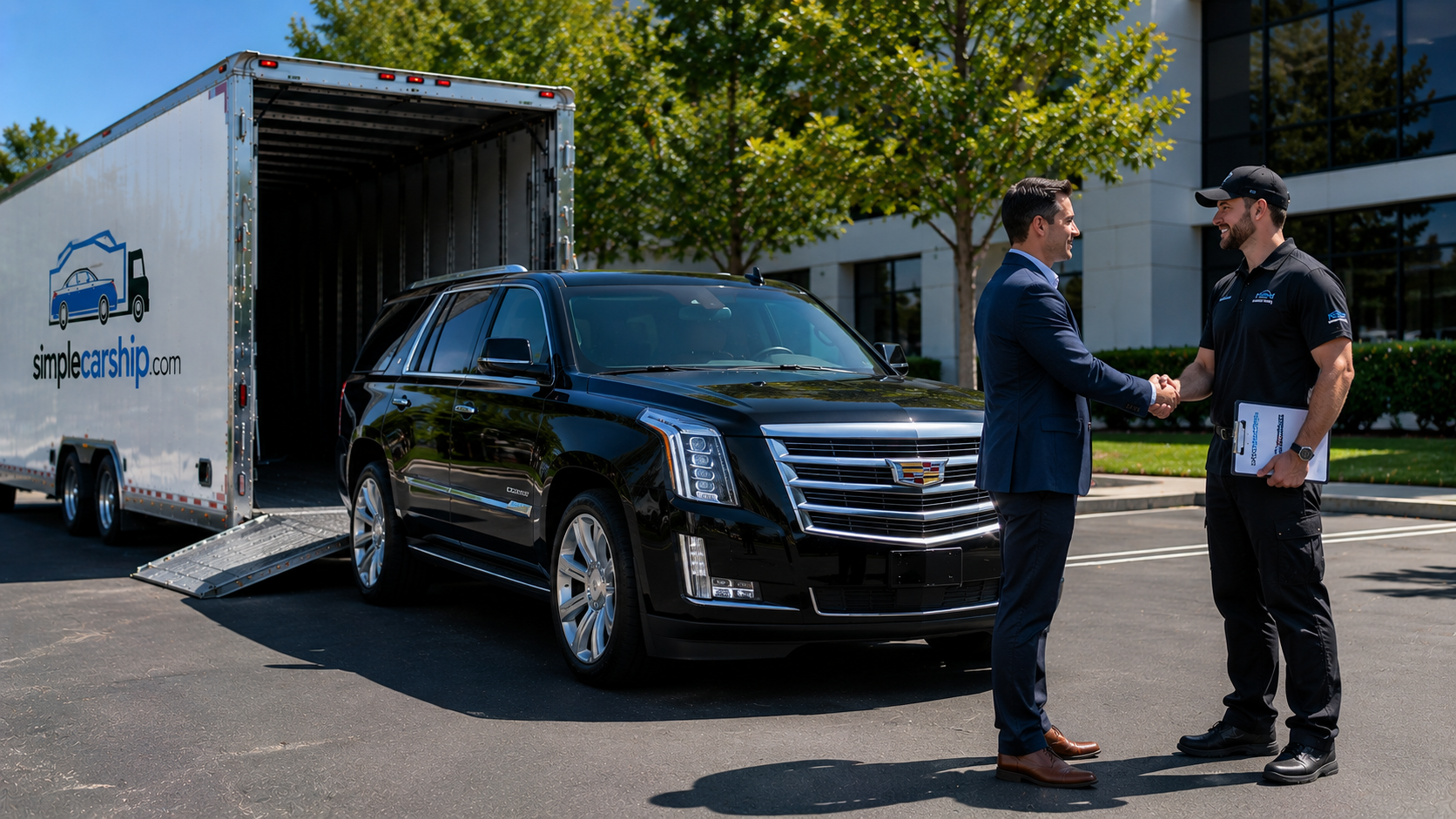
The process starts with a quote. You tell us your vehicle year, make, model, pickup city (most commonly Atlanta or Savannah in Georgia), delivery city (typically Chicago or Naperville in Illinois), and preferred dates. We return a firm price—no bait-and-switch markups later—and book your spot with a hand-selected, insured carrier who actually runs the Georgia–Illinois lane. You’re not tossed into a broker load board and forgotten. Once scheduled, the carrier calls 24 hours before pickup to confirm the window and walk you through the quick inspection. You’ll note existing scratches or dents on a condition report, hand over the keys (with about a quarter tank of fuel and an empty interior), and get a copy for your records.
From there, your car rolls north. The 725-mile route from Georgia to Illinois is straightforward—Interstate 75 to I-24, then I-57 north through Kentucky and into Illinois, or I-65 north through Tennessee and Indiana depending on final destination. Transit takes 1–3 days; metro-to-metro runs often land on the faster end because carriers don’t detour for rural pickups. You’ll get updates if anything changes, and the driver calls again before delivery. Final inspection happens at drop-off: you compare the car’s condition to the original report, sign off, and pay the carrier directly (usually cash, cashier’s check, or Zelle). Simple Car Ship doesn’t hold your money or add hidden fees at delivery—the price we quote is the price you pay.
Pickup and Delivery: Metro Areas and Timing
In Georgia, Atlanta and Savannah anchor most pickups. Atlanta’s central location and dense population make it a daily stop for carriers running north toward Chicago; Savannah’s port and coastal access add volume from imported or exported vehicles. If you’re outside these metros—say, in Augusta, Macon, or Columbus—carriers can still reach you, though rural pickups may add $50–$150 to the quote and push transit by half a day while the truck detours off the main corridor. Flexibility helps: offering to meet the carrier at a nearby truck-friendly lot or major intersection can shave cost and speed things up.
On the Illinois side, Chicago and Naperville dominate deliveries. Chicago is the Midwest’s logistics heart, and carriers pass through constantly. Naperville, Joliet, Aurora, and other collar suburbs are easy adds. Rockford, Peoria, and Springfield see regular service but slightly smaller carrier pools. Timing is predictable: because the route is only 725 miles and runs through major highways, most shipments deliver within 1–3 days of pickup. If you need a guaranteed pickup date—moving for a job, closing on a home sale—ask about expedited service at $2,105. For everyone else, a five-to-seven-day pickup window gives carriers routing flexibility and keeps your cost in the $1,290–$1,570 sweet spot.
Why Simple Car Ship for Georgia–Illinois Auto Transport
We’re not a load board. We don’t post your car to hundreds of anonymous truckers and hope someone bites. Instead, we work with a small group of vetted, insured carriers who actually run the Georgia–Illinois route week in and week out. Every carrier is screened for FMCSA authority, active insurance, and customer track record. When you book, you get a dedicated coordinator who stays with your shipment from quote to delivery—your shipment isn’t a load number handed off to a call center in another state. You’ll have a direct phone line and real answers when you call.
Clear quotes. Real communication. No guesswork, no runaround. That’s how we handle the 725 miles between Georgia and Illinois. You’ll know your price up front, your transit window before you commit, and exactly who’s hauling your car. We’ve moved everything from Chevy Malibus to Porsche 911s on this corridor, and the process stays the same: transparent, professional, and built around the fact that handing over a $30,000 vehicle to a stranger requires trust. Ship your car the simple way—request your quote now and let’s get your car moving north.
Frequently Asked Questions: Shipping a Car from Georgia to Illinois
How long does it take to ship a car from Georgia to Illinois?
Transit takes 1–3 days for the 725-mile journey, with most metro-to-metro shipments—Atlanta to Chicago, for example—landing on the faster end. Rural pickups or deliveries may add half a day. Carriers typically call 24 hours before pickup and again before delivery, so you’ll have real-time updates throughout the short haul.
Can I put personal items inside my car during transport from Georgia to Illinois?
Technically yes, but most carriers limit it to 100 pounds in the trunk or rear cargo area, below the window line. Personal belongings aren’t covered by the carrier’s cargo insurance, and overloading affects weight distribution and DOT compliance. If you’re moving household goods, ship them separately—car haulers aren’t moving vans.
Is enclosed transport worth the extra cost for the Georgia–Illinois route?
Enclosed costs $2,065–$2,515 versus $1,290–$1,570 for open—nearly double. It’s worth it if you’re shipping a luxury, classic, or exotic vehicle where road dust or weather exposure matters, or if your car has low clearance that makes open-trailer loading risky. For daily drivers, open transport is safe, insured, and plenty for 725 miles.
What’s the cheapest time of year to ship a car from Georgia to Illinois?
The Georgia–Illinois corridor sees steady year-round demand without dramatic seasonal swings, so pricing stays relatively consistent. Late fall and early spring sometimes offer slight dips when college and snowbird volume subsides, but you’re looking at maybe $50–$100 savings—not the 20–30% swings you’d see on Florida or Arizona routes.
Do I need to be present for pickup and delivery in Georgia and Illinois?
Yes, or a designated adult with your written authorization. Someone must be there to hand over keys, perform the walk-around inspection, and sign the condition report at pickup in Georgia, then repeat the process at delivery in Illinois. The inspections protect both you and the carrier, documenting the car’s condition before and after the 725-mile journey.