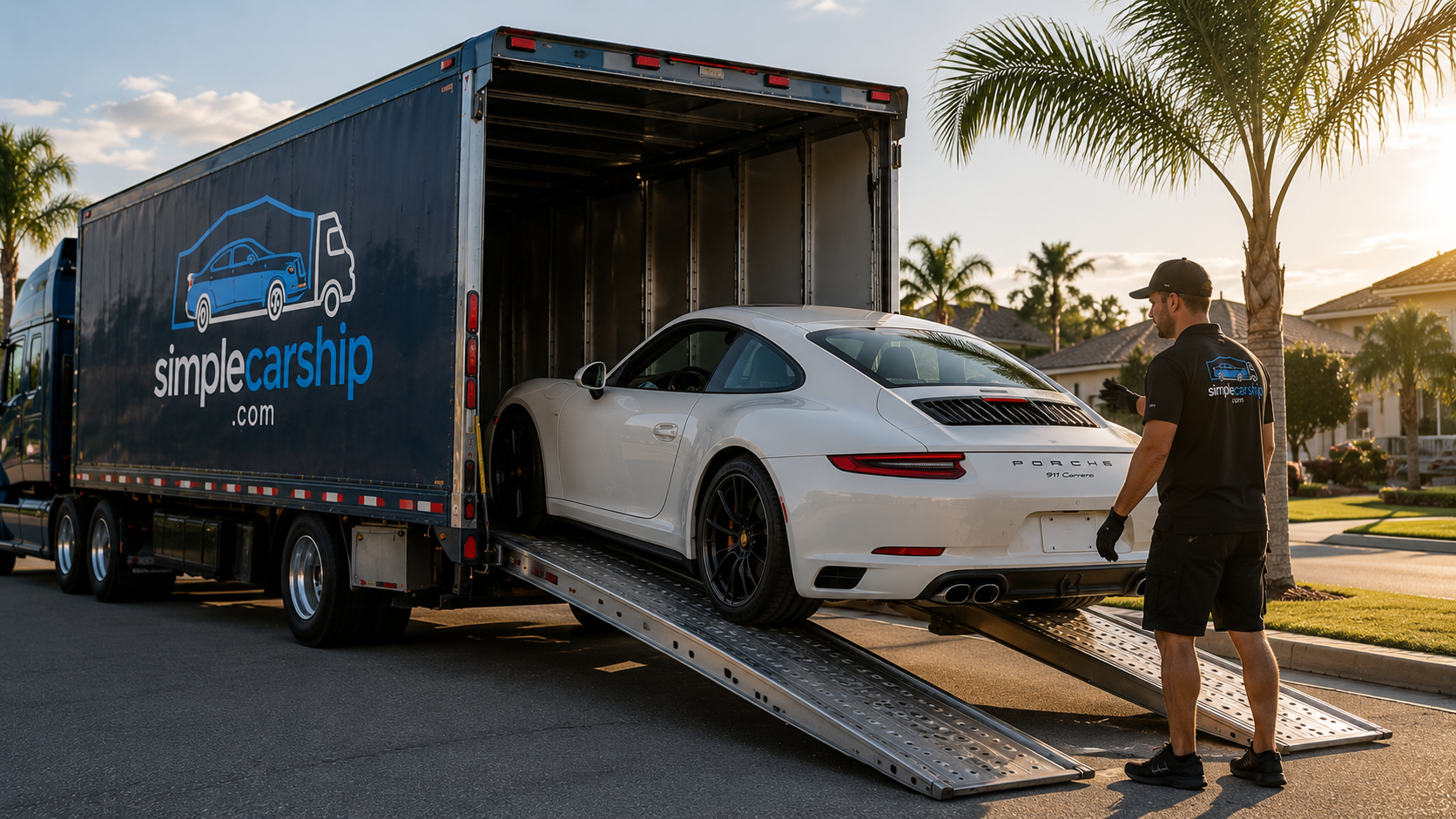
Florida to Kansas: live carrier pricing
| Open transport (most vehicles) | $1,375 – $1,670 |
| Enclosed transport | $2,200 – $2,675 |
| Lane distance | 1,626 miles |
| Typical transit | 3–5 days |
Quoted from our carrier network on September 29, 2026 for a standard operable car, door to door.
Auto transport is a live market, so your exact price depends on vehicle size, timing and current truck availability on this lane.
How Much Does It Cost to Ship a Car from Florida to Kansas?
Shipping a car from Florida to Kansas typically costs between $1,145 and $1,395 for open transport, or $1,835 to $2,230 for enclosed transport across the 1,626-mile route. The final price depends on your pickup and delivery cities, vehicle size, current fuel costs, and how quickly carriers can fill their trailer slots. If you need expedited service, expect to pay around $1,868 for guaranteed faster pickup.
Most shipments from Florida to Kansas take 3 to 5 days in transit once a carrier picks up your vehicle. Ship your car the simple way—clear quotes, real communication, and no guesswork about what you’ll actually pay.
Get your instant car shipping price
Real quote in seconds — no spam, no runaround.
What Determines the Cost of Shipping a Car from Florida to Kansas
The 1,626-mile distance between Florida and Kansas is the foundation of your shipping cost, but several variables push the final price up or down. Vehicle size matters—a compact sedan costs less to ship than a full-size truck or SUV because it takes up less space and weight on the carrier’s trailer. Larger vehicles also affect the number of cars a carrier can load, which directly impacts their profitability and your quote.
Fuel prices fluctuate, and carriers adjust rates accordingly, especially on routes crossing multiple states. Pickup and delivery locations make a significant difference: shipping from Miami to Wichita along major interstate corridors costs less than remote pickups in the Florida Keys or rural Kansas towns requiring the carrier to deviate from high-traffic routes. Time of year plays a smaller role on this route compared to snowbird corridors, but demand spikes during summer moving season can nudge prices upward. If you’re flexible on your pickup window, carriers can often offer better rates because they can optimize their route scheduling.
Open vs. Enclosed Transport: Which Makes Sense for Florida to Kansas
Open transport—the same method dealerships use to move inventory—handles the majority of Florida-to-Kansas shipments and costs $1,145 to $1,395. Your car rides on an open-air trailer exposed to weather and road conditions, which is perfectly safe for daily drivers, commuter cars, and most vehicles. The 3-to-5-day transit window means your car spends minimal time on the road, and carriers on this route typically run I-75 north to I-70 west, well-maintained interstates with consistent traffic.
Enclosed transport makes sense when you’re moving a high-value vehicle, classic car, luxury model, or anything you’d hesitate to expose to highway debris and weather. The $1,835 to $2,230 enclosed cost buys you a fully protected trailer with walls and a roof, often carrying only 2–4 vehicles instead of 8–10. If you’re shipping a restored classic from a Florida collection to a Kansas auto show or a Tesla Model S Plaid, enclosed is worth the premium. For a 2018 Honda Accord or Toyota Camry, open transport is the practical, cost-effective choice. Learn more about shipping a classic car if you’re moving something special.
How Car Shipping Works from Florida to Kansas
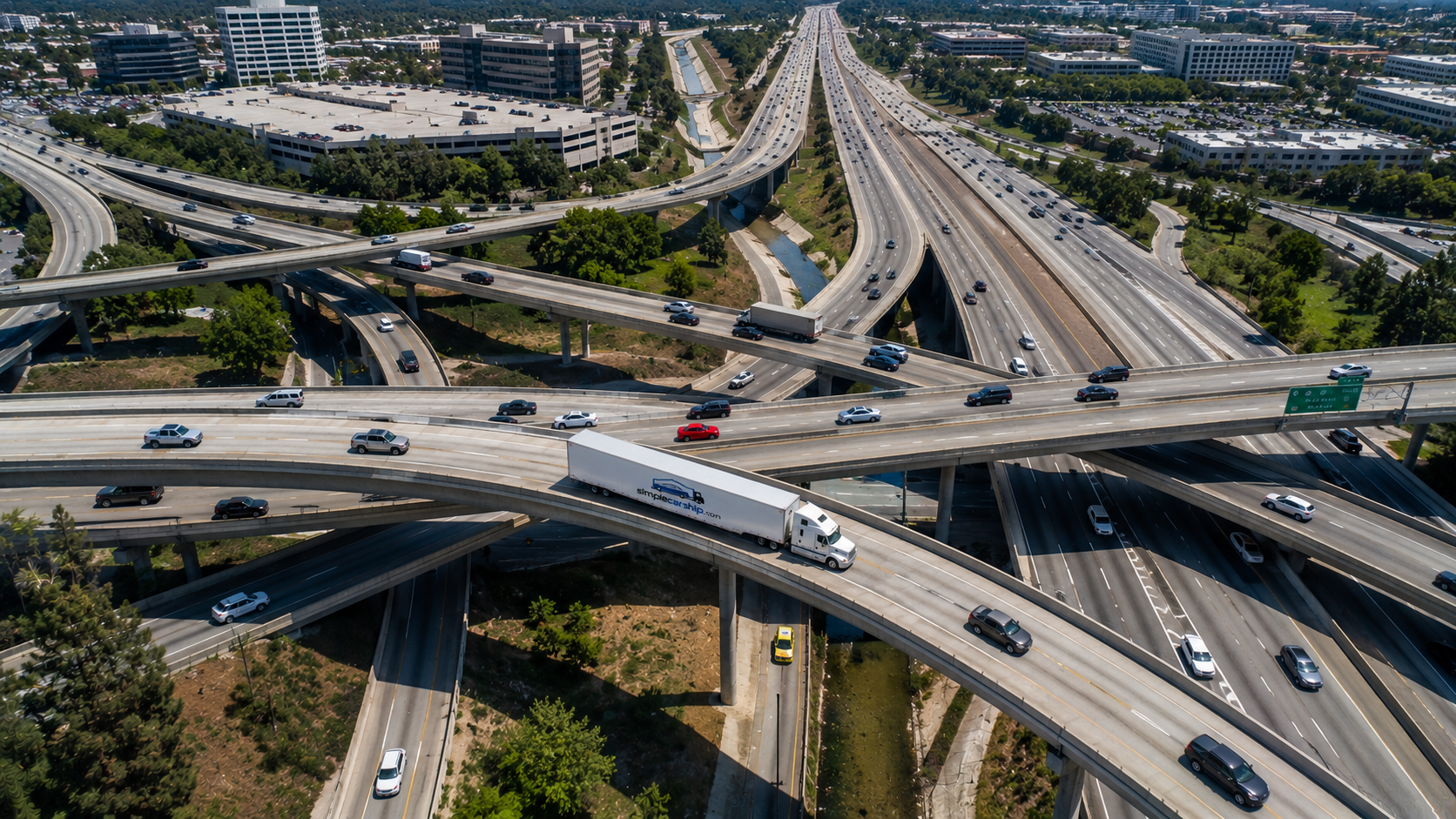
Once you request a quote, you’ll receive a firm price range based on your specific pickup and delivery cities—no vague estimates or bait-and-switch numbers. When you book, we assign a dedicated coordinator who hand-selects a licensed carrier for your route. Your shipment isn’t a load number passed around a broker network; you get the carrier’s contact information, truck number, and driver’s name before pickup.
The carrier contacts you 24 hours before pickup to confirm the window and walk through a joint vehicle inspection. You’ll document existing scratches, dents, or cosmetic issues on a condition report both parties sign. The driver loads your car, secures it with wheel straps (never hooks or chains that damage undercarriages), and begins the journey northwest. Most carriers run the I-75 to I-475 to I-10 west corridor out of Florida, connecting to I-65 north and then I-70 west into Kansas—a heavily trafficked, well-serviced route. Transit takes 3 to 5 days depending on how many other deliveries are on the trailer. The driver calls again 24 hours before delivery, and you perform another joint inspection at drop-off. Real human support means you can call or text your coordinator any time with questions or updates.
Pickup and Delivery Logistics: Florida and Kansas Metro Areas
Florida’s major pickup metros—Miami, Orlando, Tampa, and Jacksonville—sit along primary interstate routes, making them easy and affordable for carriers to service. If you’re in one of these cities, expect competitive pricing and faster carrier assignment because trucks run these areas constantly. Coastal or rural pickups away from I-95, I-75, or I-4 may add $50 to $150 to your quote and extend scheduling by a day or two as carriers coordinate less-frequent routes.
On the Kansas end, Wichita, Overland Park, and Topeka are the highest-volume delivery cities, all accessible via I-35 and I-70. Wichita sits at the intersection of major east-west and north-south trucking lanes, making it one of the easiest Kansas cities to reach. Overland Park, part of the Kansas City metro, benefits from dense freight traffic. Topeka is directly on I-70, a straight shot from the route’s main corridor. Deliveries to smaller Kansas towns—particularly in the western third of the state—may require additional coordination or a meet-point at a nearby truck stop, which your coordinator arranges in advance. If you’re moving to Kansas for work or relocating from Florida, consider exploring our Florida to Missouri and Florida to Nebraska route pages if you have flexibility on destination.
Timing Your Florida to Kansas Auto Transport
The 3-to-5-day transit window begins once the carrier picks up your vehicle, not from the day you book. Carrier assignment typically takes 1 to 5 days depending on season, route demand, and how quickly a truck with available space matches your schedule. If you’re on a tight deadline—say, you’ve already flown to Kansas and need your car by a specific date—expedited service at $1,868 guarantees faster carrier assignment and prioritized pickup, though the physical drive time remains roughly the same.
Summer months see higher demand as families relocate and college students move, which can extend carrier assignment times by a day or two. Winter is typically smoother for this route since Florida-to-Kansas doesn’t experience the snowbird rush that dominates Florida-to-Northeast corridors. Booking 1 to 2 weeks in advance gives you the most flexibility and often better pricing, but we handle last-minute shipments regularly—your coordinator will set realistic expectations based on current carrier availability. If weather disrupts I-70 in Kansas (ice storms occasionally close sections in winter), carriers delay departure or reroute south through Oklahoma, which your coordinator communicates immediately.
| Feature | Open Transport | Enclosed Transport |
|---|---|---|
| Cost (FL to KS) | $1,145–$1,395 | $1,835–$2,230 |
| Transit Time | 3–5 days | 3–5 days |
| Protection | Standard; exposed to weather | Fully enclosed; maximum protection |
| Best For | Daily drivers, standard vehicles | Luxury, classic, high-value cars |
Frequently Asked Questions: Shipping a Car from Florida to Kansas
How much does it cost to ship a car from Miami to Wichita?
Shipping from Miami to Wichita typically costs $1,145 to $1,395 for open transport and $1,835 to $2,230 for enclosed. Both cities are high-volume metros with excellent interstate access, so pricing falls in the middle of the Florida-to-Kansas range. Fuel surcharges and seasonal demand can shift quotes by $50–$100.
How long does it take to ship a car from Florida to Kansas?
Transit takes 3 to 5 days once the carrier picks up your vehicle. Carrier assignment adds 1 to 5 days depending on scheduling and demand. The 1,626-mile route runs mostly along I-75 and I-70, well-maintained interstates with minimal delays. Expedited service guarantees faster pickup for $1,868.
Is open transport safe for the Florida to Kansas route?
Yes. Open transport is how dealerships move new inventory, and the 3-to-5-day transit window minimizes exposure to weather. Carriers secure vehicles with wheel straps and conduct joint inspections at pickup and delivery. For daily drivers and standard cars, open transport is safe and cost-effective at $1,145–$1,395.
Can I ship personal items inside my car from Florida to Kansas?
Carriers allow up to 100 pounds of personal items in the trunk or rear cargo area, kept below window level and out of driver sightlines. Items must not be visible or valuable—no electronics, jewelry, or firearms. Carriers’ insurance covers the vehicle only, not contents. Overloading can violate DOT weight regulations.
What’s the cheapest time of year to ship a car from Florida to Kansas?
Late fall and winter (October–February) generally see softer demand and slightly lower rates, though this route doesn’t experience dramatic seasonal swings. Summer moving season (May–August) can increase prices by $75–$150 due to higher volume. Booking 1–2 weeks ahead locks in better pricing year-round.
Ready to move your car from Florida to Kansas? Get a clear, no-pressure quote with real numbers and real communication—no runaround, no load-board games. Your shipment is handled by a hand-selected, licensed carrier, and you’ll have a dedicated coordinator from quote to delivery. Ship your car the simple way.