
Single-Car vs. Multi-Car Carriers: Which Moves Your Vehicle
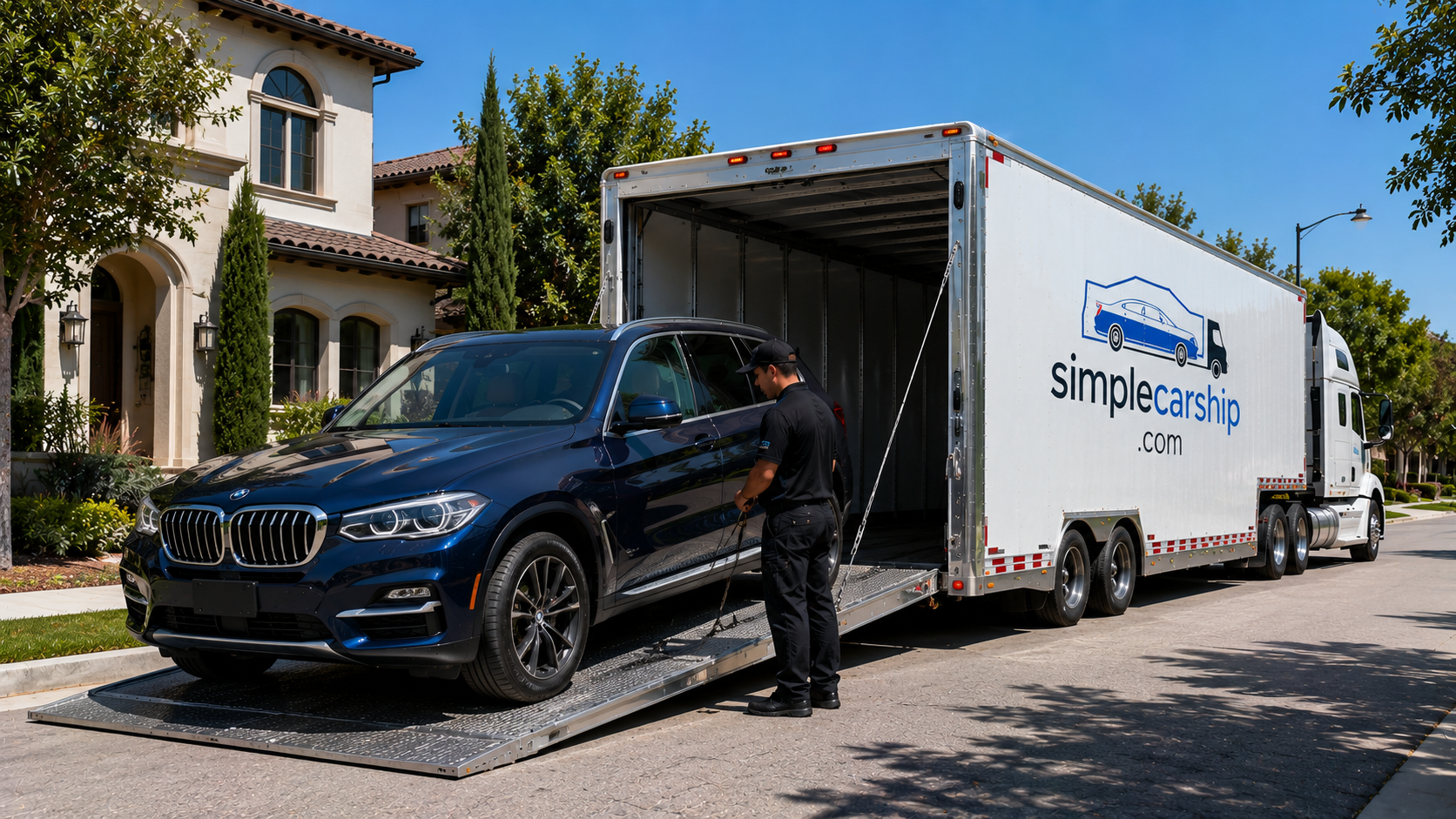
When you book auto transport, the truck will be one of two types: a single-car carrier (usually a flatbed or hotshot trailer pulling one vehicle) or a multi-car hauler (the eight- or nine-car rigs you see on highways). Understanding the difference changes how you think about price, timing, and which option fits your shipment. Most moves use multi-car carriers because shared-load economics keep costs down, but single-car service exists for a reason—knowing when it makes sense can save frustration or protect a high-value vehicle.
How Multi-Car Carriers Work and Why They Dominate the Market
Most cars shipped in the United States ride on multi-car open or enclosed trailers. These two-level, articulated rigs carry seven to ten vehicles per trip. The driver picks up cars along a lane and drops them as the route unfolds. You share the truck with other customers, and the carrier amortizes fuel, labor, and truck costs across all cars onboard.
This pooled-load model is why cross-country open transport averages around $1.32 per mile. A multi-car carrier quotes competitive rates because each vehicle pays a fraction of total operating expense. The trade-off is scheduling flexibility: pickup and delivery windows stretch wider because the driver coordinates multiple stops. Expect a span of a few days for pickup and another for delivery, not precise appointments.
Multi-car carriers work well when your timeline is measured in weeks rather than hours, when the vehicle is a daily driver or standard passenger car, and when cost is your primary concern.
What a Single-Car Carrier Actually Is
A single car carrier—often called a hotshot or single-vehicle hauler—is a much smaller operation. Picture a one-ton dually pickup towing a flatbed or enclosed wedge trailer built for one car. Some operators use a straight-truck with a tilt-bed for a single exotic or race vehicle. The entire trip is dedicated to your car alone.
Because the driver isn’t making other pickups or deliveries, you get door-to-door service with tight windows and faster transit. The truck leaves when you’re ready and drives straight to destination, often completing in a day or two what a multi-car carrier takes a week to finish. That speed and exclusivity come at a price: the carrier bills the entire trip to one customer instead of spreading cost across nine vehicles.
Single-car service isn’t a luxury add-on. It’s different equipment and a different business model, typically booked when the vehicle’s value, timeline, or special handling requirements justify the premium.
When a Single-Car Carrier Makes Sense
Single-car carriers are used in scenarios where the economics or logistics flip in their favor:
- High-value and exotic vehicles. For collectibles, heavily modified builds, or low-clearance supercars, many owners prefer an enclosed single-car trailer. The driver’s entire focus is on your vehicle, the trailer environment is controlled, and there’s no risk of fluid drips or debris from cars stacked above.
- Time-critical shipments. Race teams, film-production vehicles, and urgent relocations sometimes need a car moved tomorrow, not next week. A hotshot can depart within hours and drive straight through, delivering on a schedule multi-car carriers cannot match.
- Very short or very remote routes. Multi-car carriers prefer longer lanes with consistent freight. If you’re moving a car 150 miles to a rural address, a hotshot may be the only operator willing to take the job without a long wait. Short hauls average around $1.93 per mile, and single-car carriers often serve these markets.
- Non-running or custom-built vehicles with special loading needs. Some single-car flatbeds have winches, tilt decks, and clearance for lifted trucks or lowered customs that won’t fit the ramps and height limits of a stacked multi-car trailer.
If none of these apply—if you’re shipping a running sedan on a flexible timeline—the premium for single-car service buys little practical benefit.
How Carrier Type Shapes Your Price
Pricing hinges on whether the carrier can share operating costs. A multi-car open carrier crossing the country at $1.32 per mile spreads diesel, wages, insurance, and wear across up to nine paying customers. A single-car carrier driving the same route bills one customer for the entire fuel tank, the driver’s full day, and the truck’s full operating cost.
Single-car transport runs significantly higher. Enclosed single-car service, combining dedicated equipment with an enclosed environment, runs higher still—enclosed transport generally averages about 60% above open rates, and single-car enclosed premiums stack on top.
Don’t expect a small surcharge over multi-car pricing. The gap is structural. If you need the speed or white-glove handling, the price reflects that you’re chartering the truck. If you don’t need it, a multi-car carrier moves your vehicle for a fraction of the cost.
Transit Time and Scheduling Differences
Multi-car carriers run on dispatch boards and load-building cycles. Once you book, your order goes live to a network of drivers looking for freight along your lane. The carrier picks up your car when route and schedule align with other loads heading the same direction. Pickup windows often span two to five days, and delivery adds another range. Cross-country trips typically take seven to ten days dock-to-dock.
A single-car carrier skips the load-building phase. You agree on pickup time, the driver arrives, loads your car, and drives. Transit is limited only by hours-of-service regulations and distance. A coast-to-coast hotshot can complete in three to four days, and regional moves often finish overnight. If your timeline is tight—a job start date, a race weekend, a buyer waiting—single-car service turns time into a controllable variable.
Equipment and Handling: What Changes on a Single-Car Rig
Multi-car carriers use hydraulic ramps and decks designed for volume. Cars drive on, get chained at four points, and ride in fixed positions. The equipment is standardized and efficient, but clearance, weight distribution, and loading order are optimized for the group, not your individual car.
Single-car trailers—especially enclosed wedges and tilt-bed flatbeds—are built around the dimensions and needs of one vehicle. The driver can adjust tie-down points, pad contact areas, and control loading angle without worrying about the next car. Enclosed single-car trailers often feature climate control, soft tie-downs, and air-ride suspension, all focused on a single car.
For a daily driver, this extra attention doesn’t change the outcome. For a show car with custom paint, a low front splitter, or collector value, the difference in how the vehicle is secured and monitored can matter.
Regional Variations and Carrier Availability
Multi-car carriers flow along major freight lanes—Interstate corridors, Sunbelt to Midwest routes, California to Texas. These lanes have enough volume to keep trucks full and rates competitive. Single-car carriers thrive in niches: short hops between metro areas, rural pickups that don’t fit a multi-car schedule, and expedited service where time premium justifies cost.
If you’re moving a car along a popular route—say, Northeast to Florida—multi-car capacity is abundant and affordable. If you’re picking up a purchased vehicle in a small town two hours off the Interstate and need it home by the weekend, a hotshot may be your only option. The carrier type you book often reflects geography and timing as much as the vehicle itself.
Choosing the Right Carrier for Your Shipment
Start by answering three questions: What is the value and condition of the vehicle? How firm is your timeline? What does the route look like?
If you’re moving a standard running car on a popular lane with a flexible schedule, a multi-car open carrier will save money and deliver reliably. The system is built for this use case, and shared-load economics work in your favor.
If the car is high-value or exotic, requires special loading, or you need delivery within days instead of weeks, explore single-car options. Get quotes that specify equipment type, ask whether the carrier runs dedicated or shares trailers, and confirm the transit estimate reflects direct delivery rather than a multi-stop route.
Don’t default to single-car service because it sounds premium. The cost difference is real, and for most shipments the benefits don’t justify it. Use the tool that fits the job.
Get your instant car shipping price
Real quote in seconds. Enter your details and we’ll show your price instantly.
No spam — we only use this to send your quote and confirm your booking.
Frequently Asked Questions
What is the main advantage of a single-car carrier over a multi-car hauler?
Speed and dedicated attention. A single-car carrier drives straight to your destination without other pickups or drops, cutting transit time significantly. The driver’s focus and equipment are dedicated to your vehicle alone, which matters for high-value or time-sensitive shipments but adds cost.
How much more expensive is single-car transport compared to multi-car?
Single-car transport costs significantly more because you pay for the entire truck, driver, and fuel instead of sharing those costs with other customers. The exact difference depends on distance, route, and vehicle, so request quotes for both options to compare real numbers for your shipment.
Can a single-car carrier handle non-running or modified vehicles?
Yes, many single-car flatbeds and tilt-bed trailers are equipped with winches and adjustable decks specifically for non-running, lifted, lowered, or custom vehicles. The dedicated setup often provides more flexibility than multi-car ramps, which have fixed clearance and loading angles designed for volume.
Do I need a single-car carrier for an enclosed shipment?
No. Most enclosed transport uses multi-car enclosed trailers that carry four to seven vehicles in a protected environment. Single-car enclosed service exists for very high-value or exotic cars where owners want both enclosure and exclusive handling, but it’s not required for typical enclosed moves.
How do I know if my route suits a single-car or multi-car carrier?
Popular Interstate lanes with steady volume favor multi-car carriers, which offer better pricing and regular availability. Rural, short-distance, or off-peak routes often work better with single-car hotshots, which don’t rely on pooling loads. A broker can tell you which carrier type has better coverage for your specific pickup and delivery locations.
Ready to move your car? Get an instant quote that matches the right carrier type to your vehicle, route, and timeline. Start your quote now and see real pricing for both multi-car and single-car options.