
Shipping Multiple Cars: How to Save on More Than One Vehicle
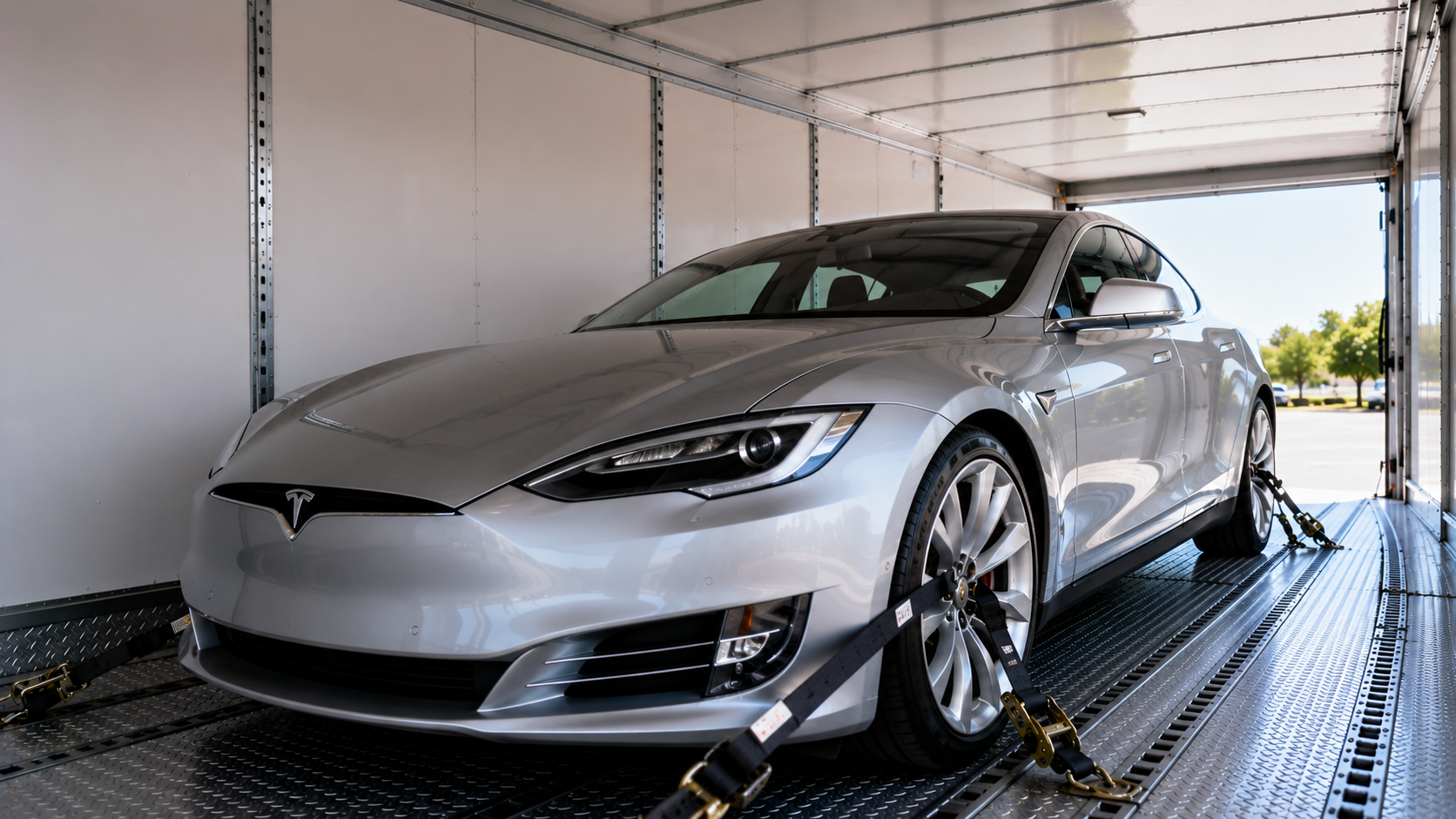
When you need to ship two, three, or more vehicles at once—whether you’re relocating a household, moving inventory for a dealership, or transporting a collection—the per-car cost drops significantly compared to booking each vehicle separately. Carriers prioritize full or nearly full loads because they maximize revenue per trip, and those efficiencies translate directly into lower rates for you. Understanding how multi-car pricing works, what triggers the steepest discounts, and how to coordinate logistics will help you move several vehicles without paying several times the price.
Why Carriers Discount Multi-Car Loads
A ten-car hauler traveling from Phoenix to Denver earns the most when every slot is occupied. Empty spaces mean lost income over the same fuel, driver wages, and toll expenses. When you book multiple vehicles on the same route, you’re helping the carrier fill capacity, so they price each additional car lower to win your business and improve their load factor.
The discount isn’t a courtesy; it’s straightforward economics. According to our 2026 Car Shipping Cost Index, open transport averages around $1.32 per mile in baseline conditions. But that figure assumes a single vehicle on a mixed load. A carrier hauling four cars for one customer on the same origin-destination pair eliminates multiple dispatch calls, separate pickup windows, and redundant paperwork. Those operational savings get passed along as a per-vehicle rate reduction—often substantial enough that shipping three cars together costs less than twice the price of shipping one.
How Multi-Car Discounts Scale
Discounts typically deepen with each additional vehicle, though the curve flattens after a certain point. The first two cars usually see the steepest per-unit drop, because pairing them means one pickup appointment, one delivery stop, and consolidated communication. Adding a third or fourth vehicle continues the trend, but the marginal savings shrink as you approach a full load.
Expect the most aggressive pricing when your shipment fills—or nearly fills—a single trailer. A two-car enclosed trailer or an eight-to-ten-slot open hauler running exclusively for you represents maximum efficiency for the carrier. At that threshold, you’re effectively chartering the truck, and rates reflect wholesale-level economics rather than retail spot pricing.
Because every route, season, and vehicle type influences the final number, there’s no universal formula. Request a multi-vehicle quote upfront rather than adding cars one at a time; brokers and carriers build the discount into the initial bid when they know the full scope.
Open Versus Enclosed for Multiple Vehicles
Most multi-car shipments—families relocating, dealership transfers, fleet moves—travel on open car haulers. These trailers hold eight to ten vehicles, offer the widest carrier availability, and deliver the lowest per-car cost. Open transport works well for daily drivers, even newer models, because carriers maintain cargo insurance and professional drivers secure each vehicle with wheel straps and safety chains.
Enclosed transport runs about 60 percent higher than open, but that premium spreads across every vehicle you ship. If you’re moving a collection of high-value or exotic vehicles, or if weather protection and visual privacy matter, the per-car enclosed rate for three cars together will still land well below three separate enclosed shipments booked on different dates. Two-car enclosed trailers are common; larger enclosed haulers exist but book up quickly, so reserve early if you need multiple slots.
Mixing transport types—say, two collector cars enclosed and two daily drivers open—means separate trucks, separate scheduling, and no multi-car discount. Coordinate your vehicles by transport mode whenever possible to capture the savings.
Coordinating Pickup and Delivery for Several Vehicles
The logistics advantage of shipping multiple cars together extends beyond price. A single pickup appointment means you hand over all the keys, sign one bill of lading, and conduct one vehicle inspection. The driver photographs and notes the condition of each car in sequence, you receive a unified dispatch confirmation, and tracking covers the entire load.
At delivery, the same efficiency applies: one arrival window, one final inspection, one payment transaction. For families moving cross-country, this consolidation eliminates the coordination headache of staggered carriers arriving days apart. For dealers shuttling inventory, it simplifies receiving and expedites lot turns.
Allow flexible pickup and delivery windows—typically two to five business days at each end—to give your carrier the scheduling room needed to build an economical route. Tight “must-pick-up Tuesday morning” requirements shrink the carrier pool and erase much of the multi-car discount, because dispatchers lose the ability to bundle your load with complementary freight.
Who Benefits Most from Multi-Car Shipping
Relocating households with two or three vehicles are the most common multi-car shippers. Instead of driving one car and shipping another—accruing hotel nights, meals, fuel, and wear—you ship everything and fly or drive a rental. The combined auto transport cost often undercuts the DIY expense, and you arrive rested with all your vehicles intact.
Auto dealers moving trade-ins, auction wins, or inventory between lots rely on multi-car transport as a core operating expense. Volume shippers often negotiate contract rates with dedicated carriers, but even occasional dealer moves benefit from per-load discounts when bundling three or more units on the same lane.
Collectors transporting several vehicles to shows, auctions, or climate-controlled storage treat multi-car enclosed shipping as both cost control and risk management. Consolidated shipping reduces total road exposure, limits the number of carriers handling your assets, and simplifies insurance documentation.
Seasonal snowbirds moving between northern and southern homes, military families executing PCS orders with multiple household vehicles, and estate executors liquidating car collections across state lines all gain measurably by grouping their shipments.
Timing and Seasonality for Multiple Vehicles
The same seasonal patterns that affect single-car rates apply—and amplify—when you’re booking several slots. Summer and early fall see the highest demand, driven by household moves, dealership model-year turnover, and college student relocations. Capacity tightens, and even multi-car discounts compress as carriers fill trailers easily with single-vehicle retail orders.
Late fall and winter (outside the December holiday rush and snowbird migration windows) offer the deepest multi-car savings. Carriers need to fill trucks when retail volume dips, and a customer offering four vehicles at once becomes priority freight. If your move timeline allows, booking during these shoulder months maximizes both discount and service speed.
Route-specific events matter too. Shipping multiple cars from Florida north in late April, after snowbird season ends, costs significantly less than the southbound surge in October and November. Planning around these directional imbalances—and communicating flexibility to your broker—can unlock rates that make moving three cars cheaper than moving two during peak weeks.
Preparing Multiple Vehicles for Transport
Each vehicle must meet the same readiness standard as a single shipment: less than a quarter tank of fuel (federal weight limits), no personal belongings inside (cargo insurance excludes contents), operable steering and brakes (even for non-running cars, steering must roll), and functioning parking brake. Disable alarms to prevent battery drain and nuisance triggers during transit.
For non-running vehicles, communicate that clearly when requesting your quote; carriers need to know they’ll use a winch and secure an immobile car, which affects loading sequence and equipment. Mixing operable and non-operable vehicles on the same load is routine, but the carrier must plan accordingly.
Photograph each vehicle from all angles before the driver arrives. With multiple cars, it’s easy to conflate pre-existing door dings or scratches during the final walk-around. Clear, timestamped photos and thorough notes on the bill of lading protect you if a claim becomes necessary.
How to Get an Accurate Multi-Car Quote
Provide complete details upfront: year, make, model, and running condition for every vehicle; exact pickup and delivery locations (city and ZIP); desired transport type (open or enclosed); and any scheduling constraints. The more vehicles you include in the initial quote request, the better the broker can negotiate a consolidated rate with carriers.
Ask whether the pricing is per vehicle or a flat load rate. Some carriers quote a single figure for the entire shipment, others break it out per car; either way, confirm the total and what it covers (carrier cargo insurance is standard; verify any exclusions for high-value vehicles).
Compare the sum of individual quotes against the multi-car package. The difference reveals your true savings and helps you decide whether to ship everything at once or stagger vehicles if timing is genuinely incompatible.
Get your instant car shipping price
Real quote in seconds — no spam, no runaround.
Frequently Asked Questions
Do I get a discount if I ship two cars instead of one?
Yes. Carriers discount multi-car loads because filling multiple slots on one truck reduces their per-vehicle operating cost. The exact savings depend on route, season, and transport type, but booking two cars together always costs less than two separate shipments. Request a combined quote to see the difference.
Can I ship cars to different destinations and still get a multi-car rate?
Only if the destinations fall along the same route or within a short radius. A carrier hauling from Boston to Miami can deliver one car in Savannah and another in Miami without losing efficiency. Divergent endpoints—say, Seattle and Texas—require separate trucks and eliminate the discount entirely.
What if one of my vehicles is not running?
Carriers handle non-running vehicles routinely using a winch. Disclose this when quoting so the carrier knows to bring the right equipment and plan the loading order. Mixing operable and inoperable cars on one load is common and doesn’t usually disqualify you from multi-car pricing.
How far in advance should I book multiple vehicles?
Two to three weeks gives brokers time to line up a carrier with enough open slots and negotiate the best rate. Last-minute multi-car bookings are possible but often forfeit much of the discount, because carriers have already filled trailers with single-vehicle retail orders and capacity is limited.
Will all my cars travel on the same trailer the entire trip?
Most of the time, yes—especially if you’re filling or nearly filling a trailer. Occasionally a carrier will transfer one vehicle to another truck mid-route to optimize their network, but this is the exception. Your broker will confirm whether your load stays intact or if any transfers are planned.
Ready to ship two or more vehicles and capture the multi-car discount? Get an instant quote with all your vehicles included, and we’ll show you exactly how much you’ll save by moving them together.