
Ship Your Car vs. Tow Dolly vs. Renting a Trailer
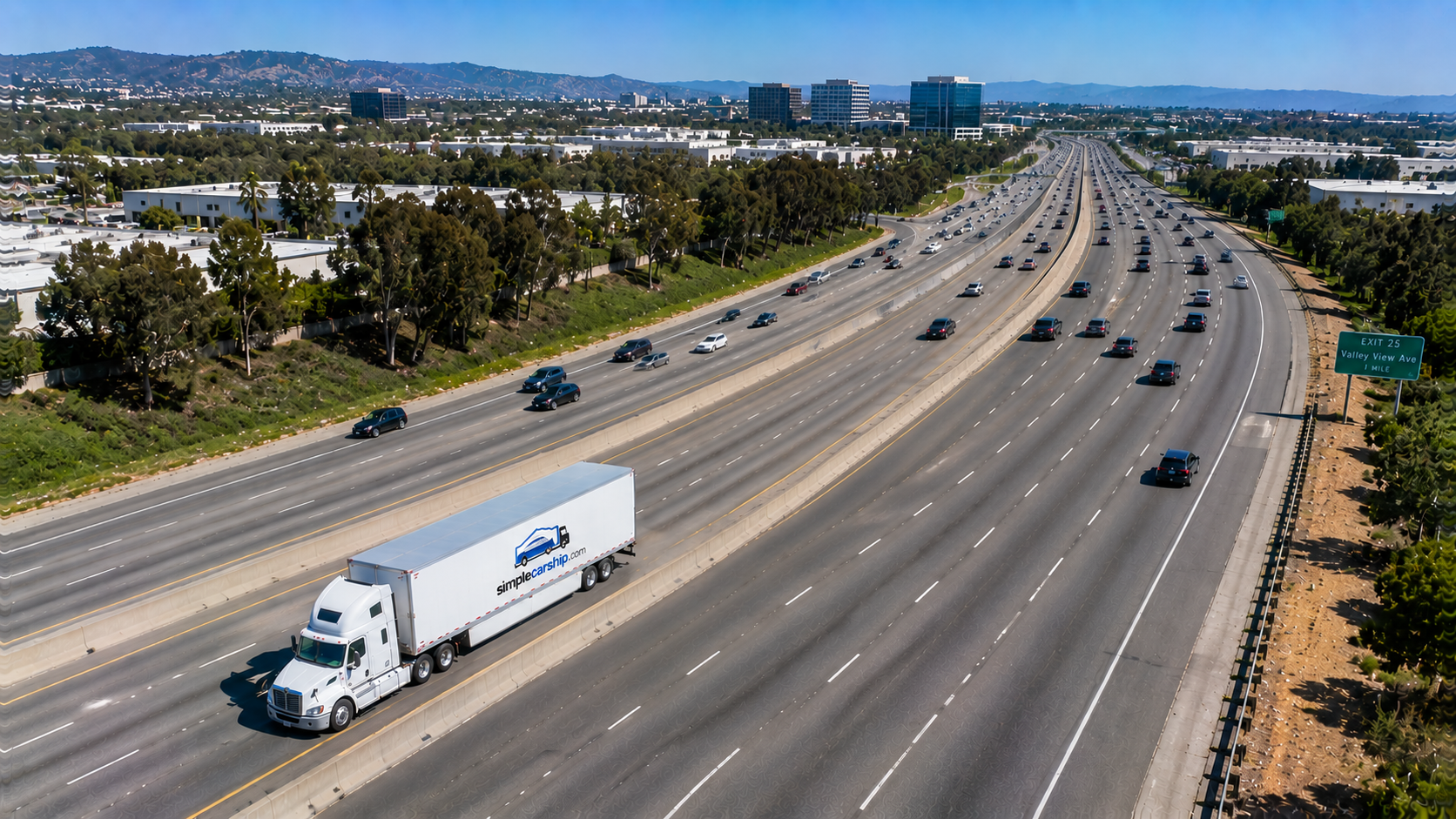
Moving long-distance or buying a car out of state? You’ve probably weighed hiring a professional auto transport company against towing it yourself. A U-Haul tow dolly or rental trailer looks cheaper—until you account for fuel, lodging, your time, and risks to both vehicles. This guide breaks down the true cost of each method.
Professional Car Shipping: How It Works and What You Pay
When you book auto transport, a licensed carrier loads your car onto an open or enclosed multi-car hauler and delivers it door-to-door or terminal-to-terminal. The car rides with wheels off the ground on a hydraulic deck; modern carriers use soft straps at tires and frame contact points to prevent paint damage.
Pricing follows a per-mile taper: open transport averages around $1.32 per mile in 2026, but short hauls under 500 miles run closer to $1.93 per mile while cross-country routes drop toward $0.85 per mile. Enclosed transport—recommended for high-value or exotic vehicles—runs about 60 percent higher. The final quote depends on distance, season, pickup flexibility, and vehicle size; a lifted truck or inoperable car adds cost because it takes more deck space or requires a winch.
Your car is covered by the carrier’s cargo insurance during transit. You’ll receive a bill of lading at pickup listing any pre-existing damage; document that inspection with photos. The driver is responsible until you sign off at delivery.
Tow Dolly: What You’re Really Signing Up For
A tow dolly is a two-wheeled cart that lifts your car’s front wheels off the pavement while the rear wheels roll. You rent it from U-Haul or similar providers, hook it to your tow vehicle’s hitch, drive the car’s front wheels onto the ramps, strap them down, and disconnect the driveshaft if towing a rear-wheel-drive car.
The rental costs less per day than professional shipping per mile, but you drive the entire distance. Every mile adds wear to your tow vehicle’s transmission, brakes, and suspension. Fuel economy drops—often by a third or more—because you’re hauling several thousand extra pounds. Multi-day moves mean paying for hotels, meals, and daily dolly rental. You’re personally liable for any accident or damage; verify your auto insurance covers towing before you hitch up.
Tow dollies work only for front-wheel-drive cars or rear-wheel-drive cars where you can safely disconnect the driveshaft. All-wheel-drive vehicles usually cannot go on a dolly without damaging the transfer case. If unsure about your drivetrain, you need a full four-wheel trailer instead.
Four-Wheel Car Trailer: More Capacity, More Complexity
A four-wheel trailer lifts all four wheels off the ground. You drive the car onto the deck, secure it with tire straps and ratchet straps at the frame, and tow the rig behind a truck or SUV rated for the combined weight.
This method works for any drivetrain, including all-wheel-drive and performance cars. The trailer is heavier than a dolly, so your towing vehicle needs a higher gross combined weight rating and a brake controller; many half-ton trucks and most SUVs are at or near their limit when you add a 2,000-pound trailer and a 4,000-pound car. Rental outlets require proof of hitch capacity but won’t teach you how to back up a trailer or navigate mountain grades in crosswinds.
Fuel consumption climbs even higher than with a dolly. Braking distances double. Lane changes require planning. If you’ve never towed this size load, your first hours will be white-knuckle; trailer sway and jackknifing are real, especially in weather or heavy traffic.
The Hidden Costs Everyone Forgets
Rental companies advertise low daily rates, but the total quickly compounds:
- Fuel: Towing cuts your miles per gallon dramatically. A trip that would take one tank now takes two or three.
- Lodging and meals: A two-day drive means at least one hotel night and six restaurant meals if traveling solo, more for families.
- Return fees: Most rental companies charge hefty drop fees if you don’t return the dolly or trailer to origin; one-way rentals often double the advertised rate.
- Wear and insurance deductibles: Your tow vehicle’s brake pads, transmission fluid, and tires absorb the punishment. If something breaks in transit, you’re on the hook for towing the tow rig—and for the deductible if the trailer or car sustains damage.
- Your time: Two days on the road is two days you’re not unpacking, setting up utilities, or starting your new job.
When you add those line items to the base rental cost, the DIY option often lands within a few hundred dollars of professional transport—sometimes more, especially on routes longer than a thousand miles.
Risk and Liability: Who Pays When Something Goes Wrong
Professional carriers operate under federal motor carrier authority and must carry cargo insurance. If your car is damaged in transit, you file a claim against the carrier’s policy. Reputable brokers vet their carrier networks and track safety records.
When you tow your own car, you are the carrier. If the dolly hitch fails and your car rolls into a ditch, your auto policy may cover the vehicle—but your collision deductible applies and your premium may rise. If the towed car strikes another vehicle or pedestrian, you’re personally liable; some insurers exclude towing-related incidents or cap coverage below full accident value. Rental companies sell supplemental liability waivers, but read the exclusions—many don’t cover negligent hookup or overweight loads.
You also assume mechanical risk. Forgetting to disconnect the driveshaft on a rear-wheel-drive car can destroy the transmission within miles, leaving you with a repair bill that dwarfs professional shipping costs. Overloading your tow vehicle’s rating can warp brake rotors, overheat the transmission, or blow a tire on a downhill grade.
When DIY Towing Actually Makes Sense
Towing your car yourself works well if:
- You’re moving locally—under 200 miles—and already own a truck with a hitch and brake controller.
- You’re relocating an inoperable project car you plan to repair, so roadworthiness and cosmetic condition aren’t concerns.
- You’re an experienced tower who regularly hauls trailers and know your vehicle’s limits.
- You have flexibility to leave early or delay if weather turns bad, and you’re comfortable troubleshooting hitch and brake issues roadside.
For everyone else—especially first-time long-distance movers, families coordinating household relocations, or anyone transporting a financed or leased vehicle—the risk and hidden costs usually tip the scale toward professional transport.
How to Decide: A Side-by-Side Comparison
| Factor | Professional Shipping | Tow Dolly / Trailer |
|---|---|---|
| Your time on the road | Zero—you fly or drive separately | Full trip duration, often multi-day |
| Fuel cost | Included in carrier’s quote | You pay, at reduced MPG |
| Lodging & meals | Not needed | You pay for each overnight |
| Insurance during transit | Carrier’s cargo policy | Your auto policy + deductible |
| Liability for accidents | Carrier’s responsibility | You are personally liable |
| Drivetrain compatibility | Any vehicle, any drivetrain | Dolly: FWD or RWD only; trailer: any |
| Experience required | None | Moderate to high, especially backing/braking |
If you’re unsure about towing capacity, drivetrain disconnect procedures, or route conditions, hiring a carrier removes those variables. If you already have the equipment, the skills, and a short distance, DIY can save money—but only if you account for every hidden cost and accept the liability.
Get your instant car shipping price
Real quote in seconds. Enter your details and we’ll show your price instantly.
No spam — we only use this to send your quote and confirm your booking.
Frequently Asked Questions
Can I use a tow dolly for an all-wheel-drive car?
In most cases, no. All-wheel-drive systems send power to all four wheels, and lifting only two can damage the transfer case or center differential. A four-wheel trailer is the safe option. Check your owner’s manual for flat-towing restrictions before you rent any equipment.
Does my car insurance cover damage if I tow it myself?
It depends on your policy. Collision coverage may apply to the towed vehicle, but your liability limits and deductible come into play. Some insurers exclude towing-related incidents or reduce coverage if you exceed your tow vehicle’s rated capacity. Call your agent before you hitch up.
How much does a tow dolly or trailer rental actually cost for a long move?
Rental companies advertise low daily rates, but one-way fees, fuel at reduced economy, hotels, meals, and insurance waivers add up quickly. On a multi-day move, the total can approach or even exceed professional shipping once you include every expense and your time on the road.
Is professional car shipping safe for a financed or leased vehicle?
Yes. Licensed carriers carry cargo insurance and issue a bill of lading documenting condition at pickup and delivery. Most lenders and leasing companies allow transport as long as the carrier is properly insured. Towing yourself can void lease terms if you exceed mileage or cause damage.
Which method is faster for a cross-country move?
Professional transport usually delivers in three to seven days, depending on route and season, while you fly and arrive the same day you leave. Towing yourself takes as long as you can safely drive—often two to four days cross-country, plus rest stops and overnight breaks, and you still need to unload.
Get a Real Quote and Compare Your Options
The only way to know whether professional transport beats a DIY tow is to price both with every line item visible. Get an instant car shipping quote that includes fuel, insurance, and door-to-door service. Compare that number to the rental fee, fuel at towing economy, hotels, meals, drop charges, and the value of your time. Nine times out of ten, the peace of mind alone tips the scale—but the math will make the case either way.