
How to Track Your Car During Shipping
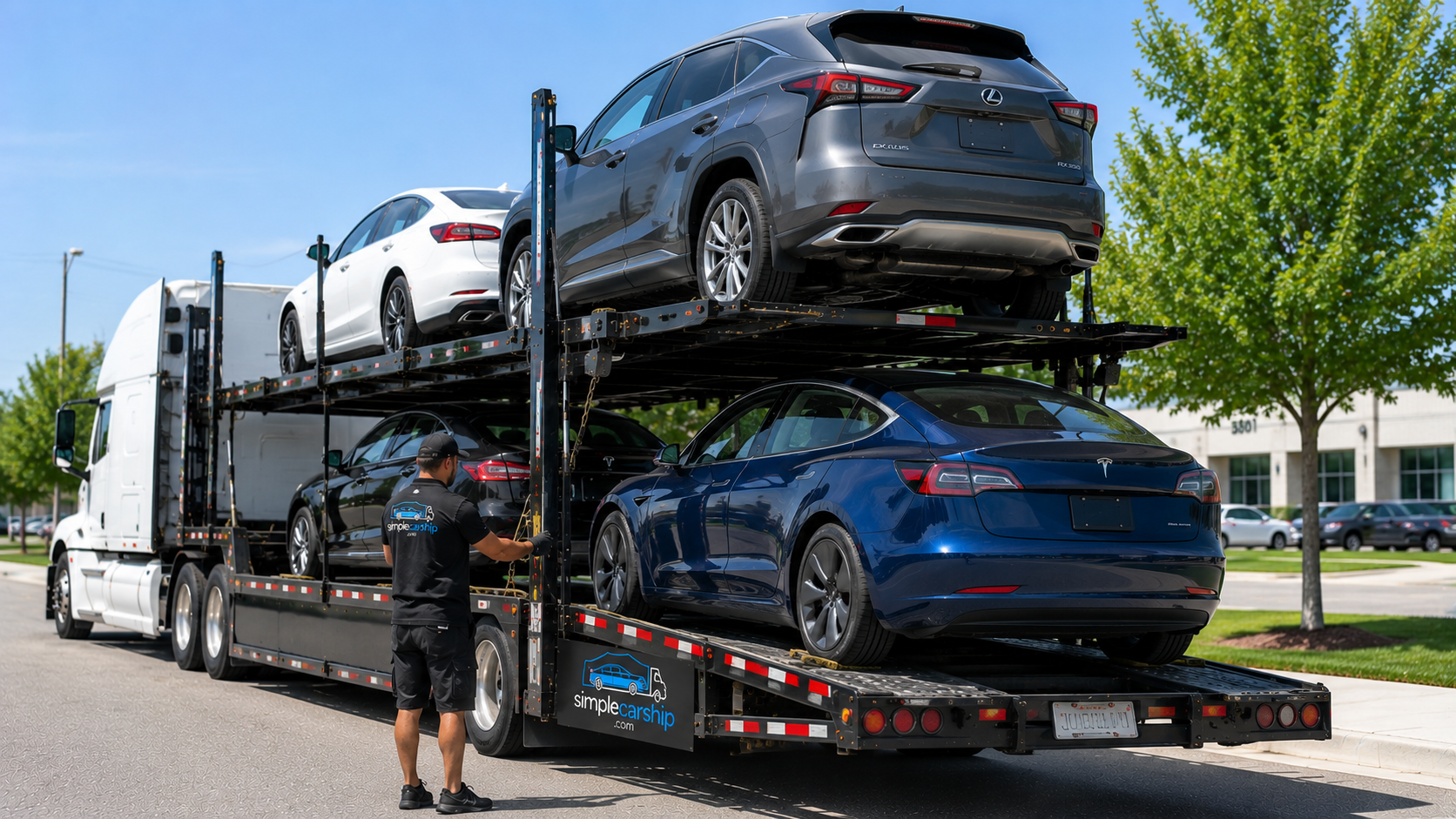
When you hand over your keys to an auto transporter, you want visibility into where your car is and when it will arrive. Unlike parcel shipping with real-time GPS, car shipment tracking works differently—built around dispatch updates, driver contact, and delivery windows rather than minute-by-minute location pings. Here’s what to expect at each stage from pickup through delivery.
Why car shipping doesn’t offer live GPS tracking
Most people expect the same tracking experience they get with FedEx or Amazon: a map showing a moving icon. Car transport rarely works that way, and for good reason.
Vehicles travel on trailers carrying two to nine cars at a time. Drivers follow multi-stop routes spanning hundreds or thousands of miles. Installing and maintaining live GPS feeds for every trailer would add cost the industry and most customers aren’t willing to pay for. Instead, communication happens through dispatch teams and direct driver contact, delivering the information you actually need: pickup confirmation, the driver’s phone number, and an accurate delivery window.
This model works because timing in auto transport is measured in days, not hours. Your car spends one to two weeks in transit cross-country, and daily updates provide enough detail to plan without paying for technology that adds little practical value.
What happens at dispatch and pickup
Tracking begins when a carrier is assigned to your order. Your broker sends a dispatch notice—by email or text—including the carrier’s name, DOT number, driver’s phone number, and pickup window (often one to three days).
The driver calls a few hours before arrival to confirm timing. At pickup, you’ll meet the driver, complete a joint inspection, and sign a bill of lading documenting the car’s condition. That bill of lading becomes your official pickup record and includes the driver’s contact information and estimated delivery date.
Keep the driver’s phone number handy—it’s your primary communication line until delivery.
Day-by-day: what to expect in transit
Once loaded, the driver follows a planned route with other pickups and drop-offs. Routes shift based on other customers’ schedules, road conditions, and Hours of Service regulations governing driver rest breaks, so precise ETAs change day by day.
Most drivers welcome a brief check-in every few days. A simple text—”Hi, checking in on the Civic headed to Phoenix”—usually gets a quick reply with current location and updated timeline. Avoid calling multiple times daily; drivers can’t safely provide constant updates while on the road.
If your shipment routes through a dispatch office, they’ll often send midpoint updates or respond to inquiries within hours. Brokers typically reach out to carriers on your behalf if you haven’t heard anything for several days.
On longer routes—coast to coast—expect seven to ten days transit. Shorter regional runs complete in two to four days. Weather, maintenance, and other delays can add a day or two; this is normal.
Delivery window and final contact
As delivery nears, the driver calls to arrange a specific time, usually offering a four- to six-hour window. Flexibility helps; if you can accept morning or afternoon delivery, the driver can optimize the route and sometimes arrive earlier.
At arrival, you’ll complete another joint inspection, comparing condition to the pickup bill of lading. Note any new damage—however minor—on the delivery receipt before signing. Carriers’ cargo insurance covers transit damage, and signed documents from both ends establish what’s new.
Once you sign delivery paperwork and accept your keys, tracking is complete. Most brokers follow up within a day or two to confirm everything went smoothly.
Tools and communication channels brokers provide
Reputable brokers supplement driver contact with support systems. You’ll typically access a customer portal showing shipment status: dispatched, picked up, in transit, or delivered. Portals don’t display live maps but centralize key information—carrier details, dates, and dispatch notes.
Phone and email support are your backup. If the driver isn’t responding, call your broker’s support line. Dispatchers can contact the carrier and often have more recent information than the online portal.
Some companies send automated SMS updates at major milestones: dispatch, pickup, and delivery. These messages provide peace of mind and usually include a portal link for more detail.
When to follow up and when to worry
A day or two of silence is normal. If you haven’t heard from the driver within 24 hours of the scheduled pickup window, reach out to your broker—they’ll contact the carrier directly.
If your car is in transit without updates for three days, a polite check-in is reasonable. Text the driver or call the dispatch number. Most reply quickly with location and revised ETA.
Red flags warranting immediate follow-up: missed pickup without contact, a driver who won’t answer for more than 48 hours once loaded, or delivery more than two days past the window with no explanation. Escalate to your broker and ask them to intervene.
Comparing tracking across transport types
Open and enclosed transport follow the same communication model—dispatch updates, driver contact, and delivery windows—but enclosed shipments sometimes include white-glove service with more frequent check-ins. Enclosed carriers often haul fewer vehicles per load and cater to high-value cars, so drivers may proactively send photos or status messages.
Enclosed transport runs about 60% higher in cost than open, and part of that premium pays for enhanced communication. If real-time visibility and hands-on service are priorities, enclosed is the better fit, though tracking mechanics—driver phone number, estimated windows, and direct contact—remain the same.
Door-to-door service versus terminal-to-terminal also affects tracking. Door-to-door means the driver picks up and delivers at your addresses, so you coordinate with one person. Terminal service adds a handoff step, requiring you to track both the line-haul and terminal pickup.
Tips for a smooth tracking experience
- Save the driver’s number immediately. Store the contact in your phone and note the carrier’s DOT number when you get the dispatch notice.
- Set expectations with your recipient. If someone else receives the car, share the driver’s contact and delivery window ahead of time.
- Check your spam folder. Dispatch emails sometimes land in spam; add your broker’s domain to contacts to avoid missing messages.
- Be flexible on delivery timing. Wider availability makes it easier for the driver to meet your window without delays.
- Document everything. Take photos before pickup, keep both copies of the bill of lading, and save text or email updates. This paper trail matters for damage claims or disputes.
Get your instant car shipping price
Real quote in seconds. Enter your details and we’ll show your price instantly.
No spam — we only use this to send your quote and confirm your booking.
Frequently asked questions
Can I track my car in real time with GPS?
Most auto transport companies do not offer live GPS tracking. Instead, you receive dispatch updates, the driver’s phone number, and estimated delivery windows. You can call or text the driver for location updates, which is sufficient given that transit times are measured in days rather than hours.
How often should I contact the driver during transit?
A brief check-in every two to three days is reasonable on longer routes. Drivers are on the road and follow strict Hours of Service rules, so avoid calling multiple times a day. A polite text usually prompts a quick reply with the current location and updated ETA.
What if the driver won’t answer my calls or texts?
If the driver doesn’t respond within 24 hours of your first attempt, contact your broker. Dispatchers can reach the carrier through internal channels and will follow up on your behalf. Silence beyond 48 hours warrants escalation, especially if the delivery window is approaching.
Do I get notified when my car is picked up and delivered?
Yes. Most brokers send email or SMS alerts at dispatch, pickup, and delivery. You’ll also receive a bill of lading at pickup and a final signed copy at delivery, both documenting the car’s condition and confirming the transaction is complete.
What tracking information is included in the bill of lading?
The bill of lading lists the carrier’s name and DOT number, the driver’s contact information, pickup and delivery addresses, an estimated delivery date, and a detailed condition report with noted damage or wear. Keep both the pickup and delivery copies for your records and any future claims.
Ready to ship your car with confidence?
Understanding how tracking works—and what communication to expect at each step—takes the uncertainty out of auto transport. When you’re ready to move your vehicle, get an instant car shipping quote from Simple Car Ship. Our network of fully vetted carriers and dedicated dispatch team will keep you informed from pickup through delivery, so you always know where your car is and when it will arrive.