
How to Prepare Your Car for Shipping: The Complete Checklist
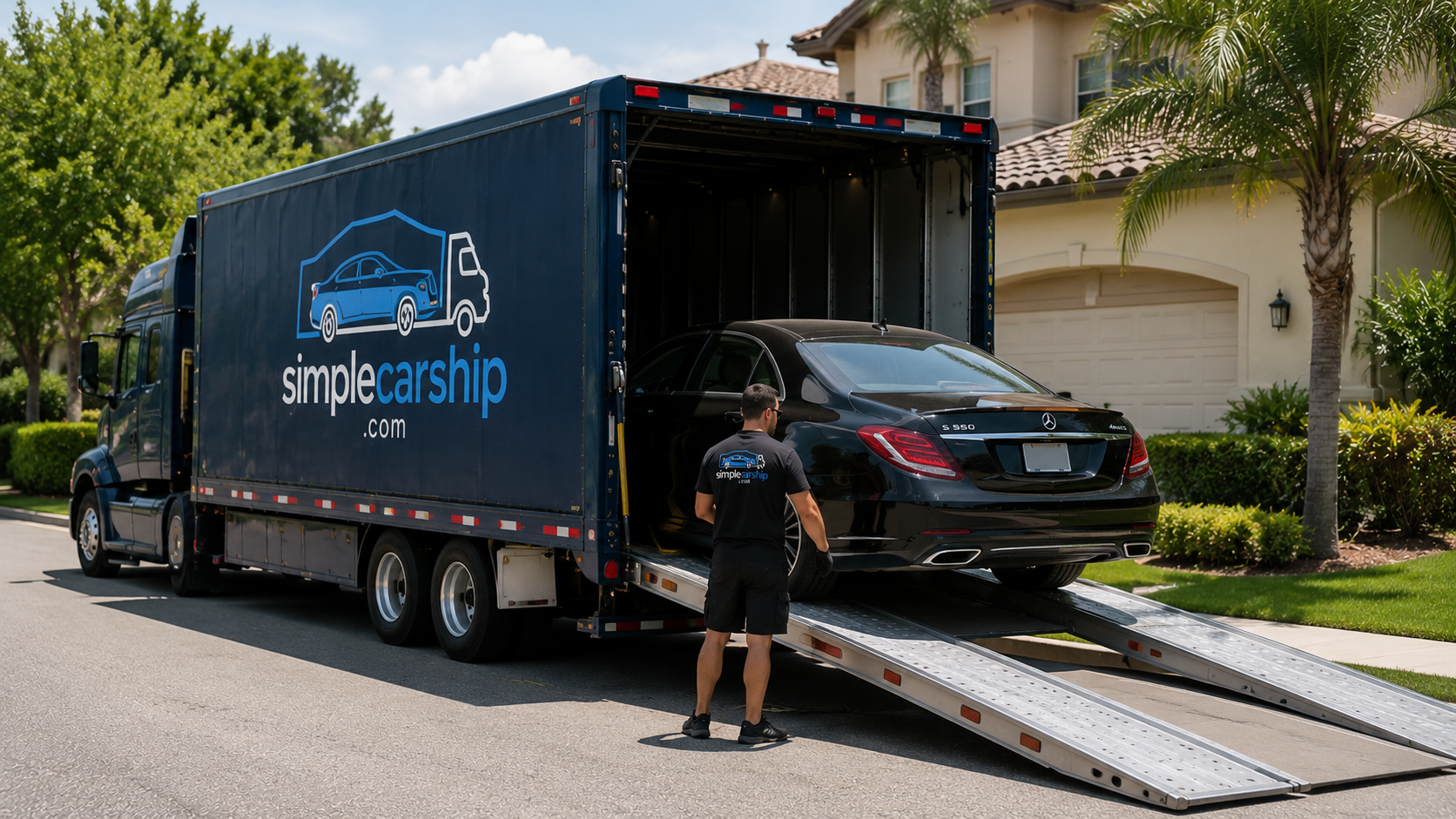
Proper preparation protects your car during transport and ensures a smooth handoff at both ends. Carriers conduct detailed vehicle condition inspections before loading, and any fluids, damage, or personal items left behind can complicate pickup or delay your shipment. Below is the complete checklist with the reasoning behind each step.
Why Vehicle Preparation Matters
Transport carriers inspect and document your car’s condition at pickup and delivery. That inspection forms the legal record if a claim is filed. A dirty car makes pre-existing scratches invisible; loose items can shift and damage the interior; a full tank adds unnecessary weight and fuel-slosh risk. Each prep step protects the vehicle, speeds loading, or prevents delivery disputes. Skipping steps creates delays when the driver refuses to load an unprepared vehicle.
Preparation also signals you’re an informed shipper. Drivers work on tight schedules, and a car that’s ready (keys accessible, alarm disabled, trunk clear) keeps pickup on time.
Wash and Photograph Your Car
Wash your car the day before pickup. The carrier’s inspector will note every dent, scratch, and paint chip on the Bill of Lading. A clean exterior makes that inspection accurate. If road grime hides a scrape, you won’t have proof it existed before transport.
After washing, take time-stamped photos from eight angles: all four corners at 45 degrees, closeups of each panel, and any pre-existing damage. Photograph the odometer and VIN placard. Store images in cloud backup or email them to yourself. These pictures are your insurance policy if something happens in transit.
Fuel Level: Quarter Tank or Below
Bring your fuel level down to one-quarter tank or less. A full tank adds roughly 90–120 pounds of extra weight (gasoline weighs about six pounds per gallon). That weight costs the carrier in fuel economy and counts toward the truck’s legal gross vehicle weight limit.
A full tank also increases fire risk and fuel slosh during loading. Carriers will ask you to drain the tank if it’s near full, delaying the narrow pickup window. Leave just enough fuel for the driver to roll the car on and off the trailer.
Remove or Secure Loose Items and Valuables
Transport carriers are licensed to haul vehicles, not household goods. Their cargo insurance covers the car itself—not laptops, sunglasses, or anything else inside. Remove all personal items from the cabin, trunk, and glove box. If you must leave something (floor mats, spare tire, factory jack), confirm with dispatch first and note it on the Bill of Lading.
Also remove or deactivate toll transponders. E-ZPass, FasTrak, and SunPass tags will trigger charges as the hauler drives through toll plazas. Take the tag out or wrap it in foil to block the RFID signal.
Items to Remove
- Electronics, chargers, phone mounts, dash cams
- Sunglasses, extra keys, garage remotes
- Toll transponders (E-ZPass, FasTrak, SunPass)
- Child seats, strollers, sports equipment
- Air fresheners and hanging ornaments that obstruct the windshield
Disable Alarms and Note Any Mechanical Issues
If your car has an aftermarket alarm or sensitive factory system, disable it or leave clear instructions with the keys. Alarms that trigger during transport create chaos on a moving hauler. If disabling isn’t possible, write step-by-step reset instructions on a note taped to the steering wheel.
Document any mechanical quirks in writing and communicate them to dispatch before pickup. If the car pulls to one side, if the parking brake sticks, if the transmission requires a specific sequence to shift, the driver needs to know. Carriers can transport inoperable vehicles (though it costs more and requires a winch-equipped truck), but surprises at pickup can scrub the appointment. When you get an instant car shipping quote, mention any mechanical issues so dispatch can assign the right equipment.
Check Fluid Levels and Look for Leaks
Walk under your car the morning of pickup and scan for puddles. Carriers will refuse to load a vehicle actively leaking oil, coolant, or brake fluid. A small drip might be tolerable if disclosed and the driver agrees, but a significant leak is a liability—it can damage other vehicles on the trailer.
Top off coolant and ensure the battery is charged if the car will sit for more than a few days in transit. A dead battery at delivery isn’t the carrier’s responsibility, and jump-starting on the trailer causes delays. If your battery is marginal, replace it before shipping.
Retract or Remove Accessories
Anything that extends beyond the car’s body envelope is at risk. Retract or remove:
- Roof racks, bike racks, ski boxes, cargo carriers
- Spoilers or body kits that sit lower than factory ground clearance
- Antennas (power antennas should retract; manual ones should unscrew if tall)
- Trailer hitches if they protrude significantly
Haulers navigate tight loading angles, low overhangs, and highway clearance limits. A roof rack can snag on the upper deck; an aftermarket splitter can scrape the ramp. If you’ve lowered the suspension or installed wide fenders, tell dispatch—specialist enclosed carriers may be required, which will adjust the price.
Verify Insurance and Understand the Inspection Process
Every licensed motor carrier in our network carries cargo insurance, but that policy covers damage caused during transport—not pre-existing wear or mechanical failure. The Bill of Lading inspection is your contract. The driver will note every visible flaw, and you’ll initial each entry. Read the document carefully before signing. If you see a scratch the inspector missed, add it yourself and have the driver countersign.
At delivery, inspect the car in daylight before signing the receiving copy. If you spot new damage, photograph it immediately, note it in writing on the Bill of Lading (write “subject to further inspection” if you can’t see well), and file a claim within the timeframe specified in your contract—usually 24 to 48 hours. Once you sign clean, the window for claims closes fast.
How Preparation Affects Cost and Timing
A car that’s ready to load keeps your shipment on schedule. Dispatch books a pickup window based on the driver’s route; if the vehicle isn’t ready, the truck moves on and you wait for the next available slot, sometimes days later. Delays can push you into a slower season or force a truck re-route, both of which add cost indirectly.
Disclosing modifications or mechanical issues up front prevents surprise fees. If the carrier arrives expecting a stock sedan and finds a lowered coupe that won’t clear the ramp, you’ll either pay a premium for a flatbed or reschedule. Transparency at quote time ensures the right equipment and accurate pricing. For example, the cost to ship a car from California to Texas—roughly 1,564 miles—ranges from around $1,535 to $1,870 for open transport and $2,455 to $2,990 for enclosed, with transit taking three to five days. Those figures assume a standard, operable vehicle.
Final Walk-Through Before Pickup
The morning the carrier arrives, do a final lap around the car. Confirm the gas gauge is at or below one-quarter, the interior is empty, the alarm is off, and the doors unlock with the key you’re handing over. Check tire pressure—underinflated tires make loading harder and can trigger a flat during transport. Lock the car after the driver finishes the inspection; they’ll use the key to drive it onto the trailer, then lock it again.
Keep one photocopy of the signed Bill of Lading and store your photo set in a separate location. You likely won’t need either, but if a claim arises, you’ll be glad you prepared carefully.
Get your instant car shipping price
Real quote in seconds — no spam, no runaround.
Frequently Asked Questions
Can I leave personal items in the trunk during transport?
Carriers discourage it because their cargo insurance covers only the vehicle, not contents. If you must leave items, keep the total weight minimal, secure everything so it won’t shift, and note it on the Bill of Lading. Electronics and valuables should always be removed.
What happens if my car has a leak and the driver refuses to load it?
You’ll need to repair the leak before the carrier returns. Significant fluid leaks create liability and can damage other vehicles on the trailer. Minor seepage may be acceptable if disclosed in advance, but the driver has final authority at pickup.
Do I need to remove my car’s license plates before shipping?
In most states, no. The carrier needs plates to legally transport the vehicle. A few states require removal during a sale or transfer; check your local DMV rules. If plates must come off, notify the carrier—they may need a transport permit.
How much fuel should I leave if the pickup location is far from a gas station?
Leave just enough to drive the car onto the trailer and off at delivery—typically one-eighth to one-quarter tank. If the pickup site is remote, a bit more is fine, but avoid exceeding one-quarter. The driver will not refuel your car in transit.
Should I wash the car again after shipping, or will the carrier clean it?
Carriers do not wash vehicles. Open transport exposes your car to road dust, so expect a light layer of grime at delivery. Enclosed transport keeps the car cleaner, but it won’t arrive showroom-fresh. Plan for a post-delivery wash to remove transit film.
Get Your Car Shipped With Confidence
Following this checklist ensures your vehicle is inspection-ready, protects your investment, and keeps the shipment on schedule. When you’re ready to book, get an instant car shipping quote on our site. Enter your route, vehicle details, and any special requirements, and you’ll see real pricing from vetted carriers in our network. Preparation takes an hour; peace of mind lasts the entire journey.