
How Far in Advance Should You Book Car Shipping?
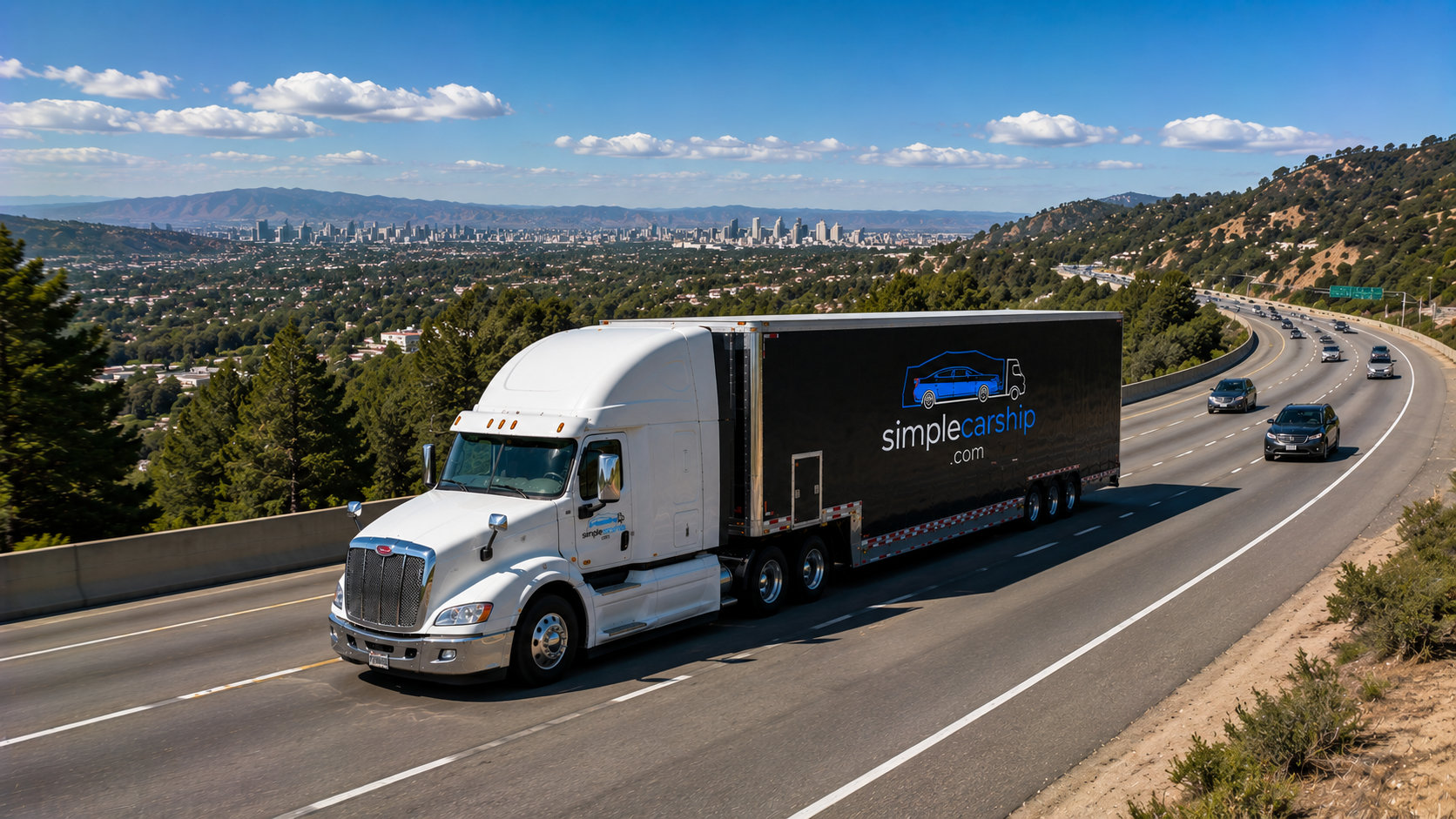
The optimal booking window for car shipping is two to four weeks before pickup. This timeline gives you the widest carrier selection, most competitive pricing, and enough flexibility to coordinate around your schedule. Book outside this window—especially on short notice—and you’ll pay a premium or risk missing your target dates.
Understanding when to book isn’t just about picking a calendar date. Carrier availability, route density, seasonal demand, and vehicle type all influence how much lead time you actually need.
Why the Two-to-Four-Week Window Works Best
Auto transport operates on a matching market. When you book, your shipment enters a dispatch board that carriers monitor as they plan routes. Carriers build efficient multi-car loads by grouping shipments along the same corridor, typically finalizing loads one to two weeks before departure.
Book two to four weeks out and your order lands in the sweet spot: early enough for carriers to fit you into route planning, but close enough that they’re actively building loads for your timeframe. You’ll see more bids, better rates, and greater certainty around pickup dates.
Book earlier than four weeks and you’re ahead of most carriers’ planning horizon. Your order sits longer on the board without delivering much additional advantage. Book later than two weeks and you enter rush territory—fewer carriers have open slots, and those that do charge accordingly.
What Happens When You Book Last-Minute
Last-minute shipments—anything under one week, especially requests for pickup within 48 hours—cost more because they disrupt carrier efficiency. A trucker who has already planned a full load will only squeeze in a late addition if the price compensates for the detour or risk of delaying other customers.
The premium isn’t arbitrary. Carriers may need to deadhead (drive empty miles) to reach your pickup, break up an existing load, or expedite scheduling. According to our Cost Index, open transport averages around $1.32 per mile under normal booking windows; rush orders push rates higher depending on your route, season, and market conditions.
Beyond price, last-minute bookings narrow your carrier options. Popular routes may still fill quickly, but remote or low-density corridors can leave you waiting days longer than expected.
Seasonal Demand and Extended Lead Times
Certain times of year compress carrier capacity, requiring more lead time to secure reasonable rates and reliable service.
- May through September: Snowbird returns, summer relocations, and college moves spike demand. Routes to and from the Sun Belt, major metros, and college towns fill faster. Add a week to your booking window—three to five weeks is safer during these months.
- Late November through early January: Thanksgiving and Christmas create a double bottleneck. Fewer drivers work holidays, and those who do prioritize loads booked well in advance. If your move overlaps this period, book a month ahead.
- Winter in northern states: Snow and ice slow operations and reduce carriers willing to serve northern routes. Book earlier if your origin or destination is in the Upper Midwest or Northeast between December and March.
Route Density and Vehicle Type Considerations
Not all shipments need the same lead time. High-traffic corridors—Los Angeles to Phoenix, Dallas to Houston, or the I-95 spine from Miami to Boston—see constant carrier flow. On these routes, even a one-week booking window often works, though you’ll still pay less and get better service at two weeks.
Low-density routes are different. Shipping between small towns, rural areas, or any origin-destination pair away from major interstates requires carriers to consolidate loads that justify the detour. Three to four weeks is the practical minimum for these moves.
Vehicle type also matters. Standard sedans and SUVs are easy to pair with other shipments. Oversized vehicles—large trucks, vans with high roofs, or anything occupying more trailer space—limit how many cars a carrier can load, so fewer truckers bid on them. Add a week to your booking window for non-standard vehicles.
Enclosed transport always requires more lead time than open. Enclosed carriers haul fewer vehicles per load and serve a smaller market. Our Cost Index shows enclosed transport runs about 60 percent higher than open, and booking three to four weeks out is standard for high-value or exotic vehicles.
How to Adjust Your Booking Strategy
Start by identifying your must-have pickup and delivery dates, then work backward. If you have firm deadlines—a work start date, a home closing, a college move-in—add buffer. Book three weeks ahead and build in extra days on the back end in case weather or mechanical issues delay the truck.
If your schedule is flexible, tell the carrier. A window of several days for pickup and delivery makes you an attractive load for truckers building efficient routes, translating to better pricing. Flexibility also helps during peak season when exact-date demands are harder to meet.
For repeat shippers—military families on PCS orders, dealerships moving inventory, or frequent relocators—booking as soon as you know your dates pays off. Early orders give you first pick of carriers, and you can adjust the window if your timeline shifts.
The Cost Curve: How Timing Affects Your Price
Car shipping rates aren’t flat across all booking windows. The further you move from the two-to-four-week sweet spot, the more you’ll pay—or the longer you’ll wait.
| Booking Window | Rate Impact | Carrier Availability |
|---|---|---|
| 4+ weeks ahead | Standard rate | Wide selection, but early for most carrier planning |
| 2–4 weeks ahead | Best rate | Maximum competition among carriers |
| 1–2 weeks ahead | Slightly higher | Good availability on major routes, tighter on others |
| Under 1 week | Premium pricing | Limited to carriers with open slots or willing to expedite |
| Under 48 hours | Substantial premium | Very limited; may not be possible on some routes |
Distance also warps the cost curve. Our Cost Index shows short hauls average around $1.93 per mile and long hauls drop to around $0.85 per mile, because fixed costs spread over more miles on cross-country moves. Booking a short-distance move last-minute compounds the already higher per-mile rate with a rush premium.
What to Do If You Miss the Ideal Window
If you’re booking late, here’s how to improve your odds and control costs.
First, get an instant car shipping quote to see real-time availability and pricing. Brokers refresh dispatch boards constantly, and sometimes a carrier has just had a cancellation or is deadheading near your pickup point.
Second, widen your flexibility. Offer a pickup window of three to five days instead of a single date. Let the carrier choose morning or afternoon. Small concessions on timing can cut days off your wait and dollars off your rate.
Third, prepare the vehicle and paperwork immediately. Have the car cleaned out, keys ready, and any required photos or inspection notes done before the carrier arrives.
Fourth, avoid chasing the lowest bid in a rush situation. An unrealistically low quote from a broker who hasn’t secured a carrier will leave your car sitting. In a compressed timeline, a slightly higher quote from a broker with confirmed capacity is the better bet.
Get your instant car shipping price
Real quote in seconds. Enter your details and we’ll show your price instantly.
No spam — we only use this to send your quote and confirm your booking.
Frequently Asked Questions
Can I book car shipping six months in advance?
You can place a reservation that far ahead, but most carriers plan routes only a few weeks out. Your order will sit on the dispatch board until it enters their active planning window. Booking early doesn’t hurt, but it won’t lock in a lower rate or guarantee faster pickup once your date approaches.
How much more does same-day or next-day car shipping cost?
Rush shipments add a premium because they disrupt carrier efficiency, but the exact amount depends on your route, season, and current capacity. Expect the increase to be significant on low-density routes or during peak season. The only way to get a real number is to request a quote for your specific dates and locations.
Does booking earlier get me a cheaper rate?
Booking two to four weeks ahead gives you access to the most competitive bids because more carriers can fit your shipment into their route planning. Booking earlier than four weeks doesn’t typically lower the price further, and booking later than two weeks often raises it due to reduced carrier availability.
What if my moving date changes after I book?
Most brokers let you adjust your pickup or delivery window if you notify them promptly—at least a few days before the original date. Carriers build loads around confirmed schedules, so last-minute changes may require rebooking with a different trucker, which can add cost or delay. Communicate changes as soon as you know.
Is it harder to book car shipping during summer or winter holidays?
Both periods see tighter capacity. Summer months from May through September bring high demand from relocations and seasonal moves, while late November through early January combines holiday closures with reduced driver availability. For either window, book three to five weeks ahead to secure reasonable rates and reliable service.
Timing your car shipping reservation doesn’t have to be guesswork. Book two to four weeks ahead for the best combination of price, carrier selection, and schedule certainty—and adjust that window based on your route, season, and vehicle type. When you’re ready to lock in your dates, get an instant car shipping quote from Simple Car Ship to see real availability and transparent pricing for your specific move.