
First Available Date vs. Guaranteed Pickup, Explained
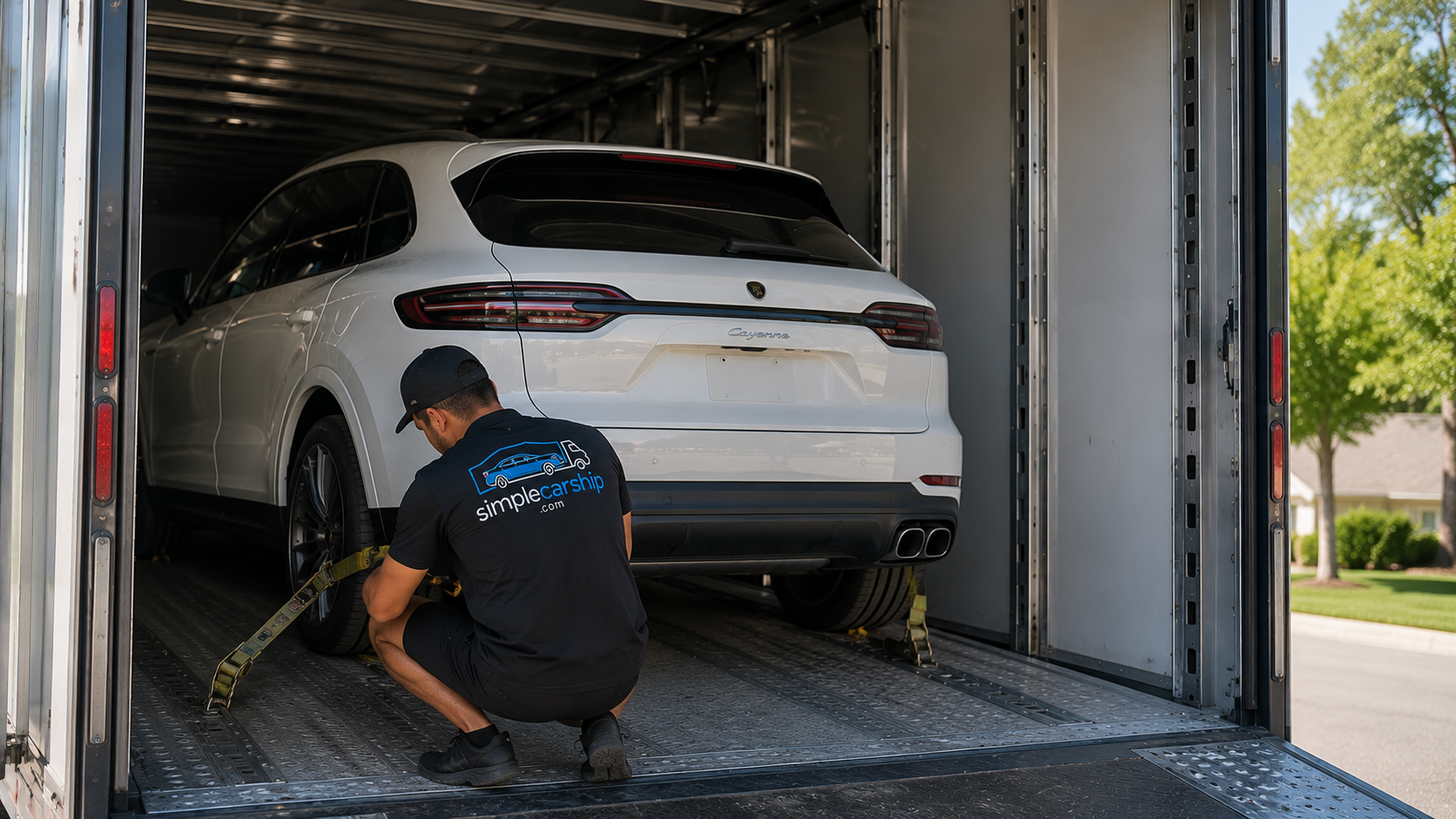
When you book car shipping, you’ll choose between a flexible “first available” pickup window and a guaranteed date. That choice directly affects both your price and your scheduling certainty. Understanding how dispatch windows work—and why carriers reward flexibility—lets you decide which model fits your timeline and budget.
Most customers default to first available because it costs less, but guaranteed pickup exists for a reason. Below we’ll walk through the mechanics of each option, what drives the price spread, and when locking in a date is worth the premium.
How First Available Pickup Works
A first available booking means the carrier will dispatch your vehicle within a window—typically one to five business days from your earliest ready date. You give the broker or dispatcher a range (“ready anytime after March 10”), and they assign your car to the next driver whose route, equipment type, and schedule align.
Carriers prefer this model because it lets them build efficient multi-car loads. A driver heading from Phoenix to Denver can pick up your sedan on Tuesday, another customer’s truck on Wednesday, and a third vehicle Thursday morning, then run the entire route fully loaded. That efficiency translates into lower per-vehicle costs, which shows up in your quote. According to our Cost Index, open transport averages around $1.32 per mile in 2026; flexible dispatch often lands at or below that benchmark, while rigid date requirements push quotes higher.
The trade-off is predictability. You know the pickup will happen within your window, but you won’t know the exact day—or the precise four-hour arrival block—until the carrier confirms, usually 24 to 48 hours ahead. For most moves that isn’t a problem; you’re home, a neighbor has a key, or you can adjust your schedule by a day. If your timeline is genuinely open, first available is the straightforward, economical choice.
What Guaranteed Pickup Actually Guarantees
Guaranteed pickup locks a specific date—sometimes a specific half-day window—into the contract. The carrier commits to loading your vehicle on that calendar day, and if they miss it you typically receive a partial or full refund of your deposit, depending on the terms.
It’s important to understand what’s guaranteed and what isn’t. The pickup date is firm; the delivery date usually remains an estimate based on transit time. Weather, inspection delays, and DOT hours-of-service rules still apply once the car is on the truck. A guaranteed pickup on Monday with a quoted three-day transit means delivery around Thursday, but that end date isn’t contractually locked unless you’ve paid for guaranteed delivery as well—a separate, rarer service.
Guaranteed pickup costs more because it restricts the carrier’s routing flexibility. The driver must arrive at your door on March 15, even if it means running partially empty or detouring from a more efficient load. That lost capacity and extra fuel show up in your invoice. Enclosed transport, which already runs about 60 percent higher than open, often pairs with guaranteed windows for high-value or time-sensitive shipments.
Why Flexibility Lowers Your Price
Auto transport pricing hinges on truck utilization. A ten-car hauler generates revenue only when bays are filled, and fuel, insurance, and driver wages run whether the trailer is at capacity or carrying two vehicles. When you offer a flexible pickup window, you allow the dispatcher to Tetris your car into an existing route without forcing a dedicated trip.
Several factors amplify this dynamic. Short hauls under 500 miles can average around $1.93 per mile because fixed costs—hookup time, staging, paperwork—are spread over fewer revenue miles. Long hauls over 1,000 miles drop toward $0.85 per mile as those fixed costs dilute. A flexible window on a popular lane (say, Florida to the Northeast in spring) means your car slots into a steady stream of trucks; a rigid date on a thin lane (rural Montana to Maine in February) forces the carrier to commit equipment and time with fewer backhaul options, driving up the rate.
Seasonal demand swings matter too. If you book first available during a slow period, dispatchers have empty capacity and welcome any load that fits the general direction. During peak season—summer, snowbird migrations, college move-in—trucks fill fast and flexible bookings still face competition, though they remain cheaper than guaranteed slots. Understanding what drives car shipping costs helps you anticipate when flexibility yields the biggest savings.
When a Guaranteed Date Makes Sense
Guaranteed pickup isn’t a luxury upsell; it’s a tool for situations where schedule certainty is more valuable than the cost savings of flexibility. Consider locking a date if:
- You’re coordinating a closing or lease handover. Real estate settlements and apartment move-outs don’t flex. If your new home’s keys transfer on Friday and your current lease ends Thursday, a guaranteed Thursday pickup removes the risk of a last-minute carrier delay leaving you scrambling for overnight parking or a rental car.
- You’re catching a flight. Relocating across the country and flying out Saturday morning? A guaranteed Friday pickup means your car is gone before you leave, rather than hoping a first-available truck shows up in time.
- The vehicle is high-value, exotic, or requires enclosed transport. Owners of collector cars or luxury vehicles often pair enclosed trailers with guaranteed windows to minimize exposure time and ensure the car isn’t sitting outside awaiting pickup.
- You’re shipping to or from a remote area during peak season. Thin lanes with limited carrier traffic can see multi-day or even week-long delays on first-available bookings. Paying the premium for a guaranteed slot ensures a truck commits rather than passing your order to the next broker.
In each case, you’re buying certainty. Weigh the premium against the cost—and hassle—of a missed deadline, and the math often tips in favor of the guarantee.
How to Communicate Your Pickup Window
Whether you choose first available or guaranteed, clear communication with your broker and carrier prevents confusion. Start by defining your earliest ready date—the first day the vehicle will be accessible, washed, and prepared with no more than a quarter tank of fuel and no personal items inside (or only the allowable amount your carrier specifies). If you select first available, offer the longest practical window; “ready March 10–17” is easier to dispatch than “ready March 15–16.”
Once assigned, the driver or dispatcher will call to confirm the exact pickup time, usually within a 24-hour or four-hour window. Answer that call or return it quickly; missed connections delay dispatch and can bump your car to the next available slot. Have a backup contact—spouse, neighbor, friend—if you might be unreachable, and ensure whoever meets the truck can sign the bill of lading and vehicle condition report.
For guaranteed bookings, get the commitment in writing on your contract or order confirmation. Note any refund terms if the carrier misses the date. Reputable brokers and carriers honor these clauses, but having the language documented protects you if a dispute arises.
Balancing Cost and Convenience
Most shippers land somewhere between “I’ll wait as long as it takes” and “it must be Tuesday at 9 a.m.” You want the lowest price, but you also have real constraints—work schedules, travel plans, coordinating with a buyer or seller. The sweet spot is offering as much flexibility as your situation genuinely allows, then using guaranteed pickup only when the calendar truly locks.
If your timeline permits a three- or four-day window, book first available and plan to be reachable by phone. If you’re coordinating multiple moving parts and a missed pickup cascades into expensive problems—hotel nights, rental cars, storage fees—the guaranteed premium is insurance against that chaos. Neither option is inherently better; the right choice depends on whether your priority is minimizing cost or maximizing predictability.
Remember that the per-mile rates we track—around $1.32 per mile for open transport, with short hauls near $1.93 and long hauls around $0.85—reflect flexible dispatch. Guaranteed windows add to those figures in ways that vary by route, season, and equipment type. Always request a quote that spells out both options so you can compare the actual dollar difference for your specific move.
Get your instant car shipping price
Real quote in seconds. Enter your details and we’ll show your price instantly.
No spam — we only use this to send your quote and confirm your booking.
Frequently Asked Questions
What happens if the carrier misses a guaranteed pickup date?
Most contracts specify a partial or full refund of your deposit if the carrier fails to pick up on the guaranteed date. Review your order confirmation for the exact refund terms, and document any missed commitment in writing to your broker immediately to trigger the clause.
Can I switch from first available to guaranteed after I book?
Sometimes, but it depends on how far out your pickup window is and whether a carrier has already been assigned. Contact your broker as soon as your plans change. Expect to pay the price difference between the two service levels if the switch is approved.
Does a guaranteed pickup mean guaranteed delivery on a specific day?
No. Guaranteed pickup locks the loading date; delivery remains an estimate based on distance and transit time. Guaranteed delivery is a separate, less common service. Always confirm which dates are contractually firm when you book.
How much advance notice do I need to book a guaranteed pickup?
Carriers typically need at least three to five business days to commit equipment and route your vehicle, though longer lead times improve availability. Last-minute guaranteed requests—inside 48 hours—are difficult to fill and cost significantly more if available at all.
Is first available slower than guaranteed pickup?
Not necessarily. First available means the pickup happens within a window rather than a fixed day, but once the car is loaded transit time is the same. A flexible booking might dispatch the next day, while a guaranteed date two weeks out obviously waits longer. Delivery speed depends on distance and route, not the pickup model.
Get a Quote Tailored to Your Schedule
Every shipment is different—your route, vehicle type, and timeline all shape whether first available or guaranteed pickup makes sense. Rather than guessing at the price spread, request a detailed quote that shows both options side by side. You’ll see the exact cost, the pickup window for each, and any terms that apply. Ready to compare? Get your instant quote and choose the dispatch model that fits your move.
Calculate your car shipping cost now and see both first-available and guaranteed pricing for your route.