
Expedited & Guaranteed Car Shipping, Explained
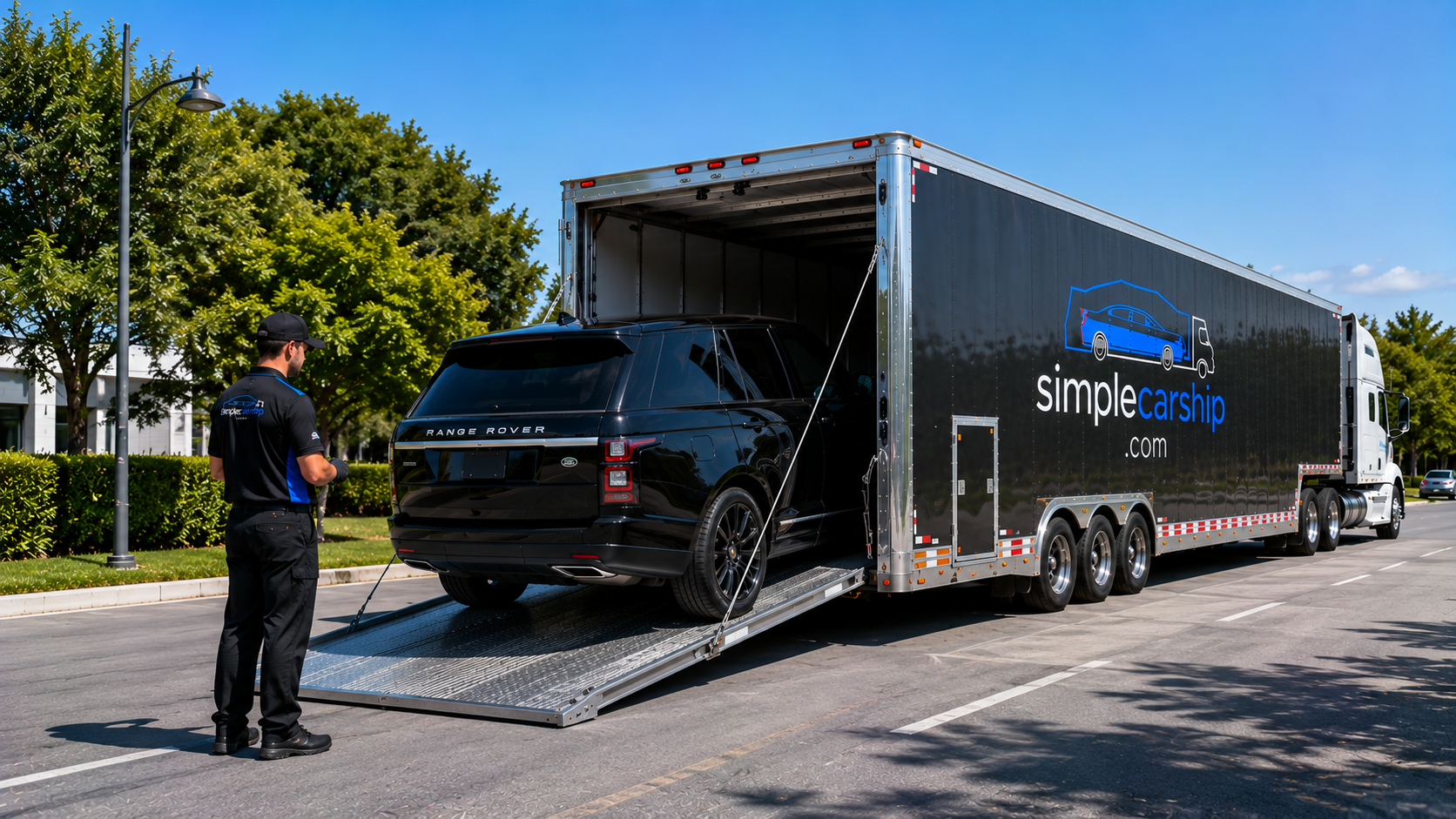
Expedited car shipping and guaranteed pickup services promise speed and certainty—but they’re add-ons that reshape both your timeline and your bill. Understanding what these options actually deliver versus what standard booking includes helps you decide whether paying extra is smart or unnecessary.
Most car shipments move on an economy model: your vehicle joins a carrier’s route when space and logistics align, typically within a pickup window of several days to a week. Expedited and guaranteed services compress or eliminate that window.
What Expedited Car Shipping Actually Means
Expedited car shipping prioritizes your vehicle within a carrier’s dispatch queue. Instead of waiting for a truck to fill or for routing software to slot your car into an efficient multi-stop run, the carrier moves your booking to the front of the line. This usually means pickup within 24 to 72 hours of order confirmation, and often a more direct route with fewer intermediate stops.
The mechanic behind the speed is economic: the carrier accepts lower trailer utilization—sometimes hauling your car alongside only one or two others instead of a full load of eight to ten vehicles—in exchange for a premium. That premium offsets the revenue they’d otherwise earn by filling every slot.
Expedited does not, by default, mean enclosed transport. If your car needs protection from weather and road debris, you’ll specify enclosed separately. The two services are independent, though they often travel together on high-value shipments.
Guaranteed Pickup vs. Standard Booking Windows
A guaranteed pickup assigns a specific date—often a single calendar day—on which the carrier commits to loading your vehicle. Miss that window, and the contract typically includes a penalty or refund clause. Standard bookings quote a pickup range: “available Monday through Thursday,” for instance. The carrier has flexibility; you trade certainty for a lower base price.
Guaranteed pickup becomes critical in specific scenarios. If you’ve booked a one-way flight and need the car collected the morning you leave, flexibility isn’t an option. If you’re coordinating a corporate relocation with tight move-in dates, a four-day variance can cascade into hotel costs and rental fees. If you’ve sold the vehicle and the buyer’s financing hinges on delivery by a specific date, the guarantee is about contract performance.
For everyone else—especially snowbirds with a two-week travel buffer or students shipping home for summer—the standard window works fine and costs less. The guarantee is insurance; buy it only when the downside of uncertainty exceeds the premium.
How Much Extra Speed and Certainty Cost
Expedited and guaranteed services add to the base transport rate. The surcharge structure varies by broker and carrier, and by how much you’re compressing the timeline.
Because these are situational add-ons rather than published line items, the exact figure depends on distance, season, and how tight your window is. A 48-hour expedited pickup during peak summer season on a popular route commands a steeper premium than a guaranteed date with a week’s lead time in February. The carrier is pricing both the opportunity cost of empty deck space and the logistical scramble of reshuffling existing commitments.
When you request a quote, ask for the breakdown: base rate, expedited surcharge, and any guaranteed-date fee, itemized. That transparency lets you weigh whether the speed is worth the cost. Often, simply widening your window by two or three days drops the premium entirely.
When Flexibility Saves You Money
The flip side of expedited is flexible—and flexible is where the bargains live. Carriers constantly rebalance their networks: a truck deadheading back from Florida to Chicago will offer a steep discount to anyone willing to ship that direction on short notice. A driver finishing a Seattle delivery and heading to Los Angeles will price a Bay Area pickup aggressively to avoid running empty.
If your timeline allows a rolling pickup window—say, any time in the next two weeks—and you’re willing to take a call 24 to 48 hours out, you become a gap-filler. The carrier slots you into existing capacity at marginal cost. On long hauls, flexible bookings can run even lower because you’re solving a routing problem for the carrier.
The trade is control. You won’t know your exact pickup day until it’s imminent, and delivery dates will be estimates rather than commitments. For a second car, a project vehicle, or any shipment where you’re not racing a deadline, that’s a minor inconvenience in exchange for meaningful savings. Understanding what drives car shipping costs helps you recognize which variables you can bend and which ones you can’t.
Real-World Scenarios: When to Pay, When to Wait
Consider a few common situations:
- Military PCS orders with report dates: Guaranteed pickup makes sense. The penalty for late arrival at your next duty station isn’t financial—it’s career friction. Pay for certainty.
- Snowbird migration, October southbound: Standard booking. You’re joining a seasonal wave; capacity is high. A three-day variance is invisible.
- Dealer auction purchase, title in hand, 800 miles home: Flexible works if you can store the car. If you’re paying daily lot fees, run the math: expedited may cost less than ten days of storage.
- Cross-country move, lease ending in 72 hours: Expedited and guaranteed. The alternative is a rental car and a missed lease walkthrough. The surcharge is cheaper than the cascade.
- College student, summer break, dorm closes in two weeks: Standard. You have buffer. Save the premium.
How Carriers Prioritize and Route Expedited Orders
Expedited shipments trigger a different dispatch workflow. Standard orders enter a queue sorted by route efficiency: the software builds loads that minimize deadhead miles and maximize trailer utilization. Expedited orders bypass that optimization. A dispatcher will pull a truck off an efficient multi-stop route, or send a rig out with half the usual load, to meet your timeline.
This is why expedited works best on high-traffic lanes—the I-95 corridor or California to Texas—where carrier density is high and trucks are already moving frequently. On thin rural routes, expediting is harder; there simply may not be a carrier positioned nearby, and the surcharge reflects the cost of repositioning equipment.
Enclosed expedited orders are rarer still, because the enclosed fleet is a fraction of the size of the open network. Expediting an enclosed shipment often means a carrier dedicating a small trailer to your single vehicle. Expect the premium to stack.
What Guaranteed Does Not Guarantee
A guaranteed pickup date commits the carrier to loading your car on that day, barring force majeure—weather that closes roads, mechanical breakdown, or similar. It does not guarantee a delivery date with the same precision, because road conditions, traffic, and DOT hours-of-service rules all create variance during transit.
Most guaranteed contracts offer a delivery window: “pickup guaranteed Tuesday; delivery estimated Thursday to Saturday.” The tighter you need that delivery window, the more you’ll pay, because the carrier has to pad the schedule with buffer or assign a dedicated team.
Guaranteed service also doesn’t override inspection or documentation requirements. If your car isn’t ready—keys missing, quarter-tank of gas short, personal items overloaded—the carrier can decline to load, and the guarantee becomes void. Preparation is your side of the bargain.
How to Book Expedited or Guaranteed Service
When you request a quote, state your timeline plainly: “I need pickup no later than March 15” or “I need the car delivered by Friday.” The broker will price both standard and expedited options, and you’ll see the cost of certainty in black and white.
Read the service agreement carefully. Look for the guaranteed-date clause, the refund or penalty terms if the carrier misses the window, and any conditions that void the guarantee. Reputable brokers will put this in writing; if it’s only a verbal promise, it’s not guaranteed.
Confirm the carrier assignment as soon as it’s made. For expedited and guaranteed orders, you want the driver’s contact information and the truck number at least 24 hours before pickup. This isn’t micromanagement; it’s about having a direct line if last-minute coordination is needed.
Get your instant car shipping price
Real quote in seconds — no spam, no runaround.
Frequently Asked Questions
What is the difference between expedited and guaranteed car shipping?
Expedited prioritizes your vehicle for faster pickup and often a more direct route, usually within 24 to 72 hours. Guaranteed assigns a specific pickup date with a contractual commitment. You can book one without the other, though they’re often combined when timing is critical and inflexible.
How much does expedited car shipping cost compared to standard?
The surcharge varies by distance, season, and how quickly you need pickup, so there’s no universal figure. Request an itemized quote showing base rate and expedited fee separately. Widening your window by even a few days can sometimes eliminate the premium entirely, giving dispatch more routing flexibility.
Can I get same-day pickup for car shipping?
Same-day is rare and depends entirely on carrier availability near your location. High-traffic lanes and urban areas offer better odds. Expect a significant premium, since the carrier will likely reposition a truck or run with reduced capacity. Always call to confirm feasibility before assuming it’s possible.
Does guaranteed pickup mean guaranteed delivery date too?
Not with the same precision. Guaranteed pickup locks in the load date, but delivery usually remains a window—often two to four days—due to road conditions, traffic, and driver hours-of-service limits. Tightening the delivery window further will increase cost, as it requires schedule padding or dedicated routing.
When is it worth paying for expedited car shipping?
Pay for expedited when the cost of delay exceeds the surcharge: tight move-in dates, expiring leases, coordinated travel with no rental-car fallback, or contractual delivery deadlines. If you have a week or more of flexibility, standard booking almost always offers better value, especially on popular routes.
Ready to Compare Your Options?
Whether you need your car tomorrow or you have the luxury of a loose timeline, the first step is seeing real numbers for your specific route and dates. Get an instant car shipping quote with standard, expedited, and guaranteed options side by side, and decide where speed and certainty fit into your budget and plans.