
College Student Car Shipping Guide
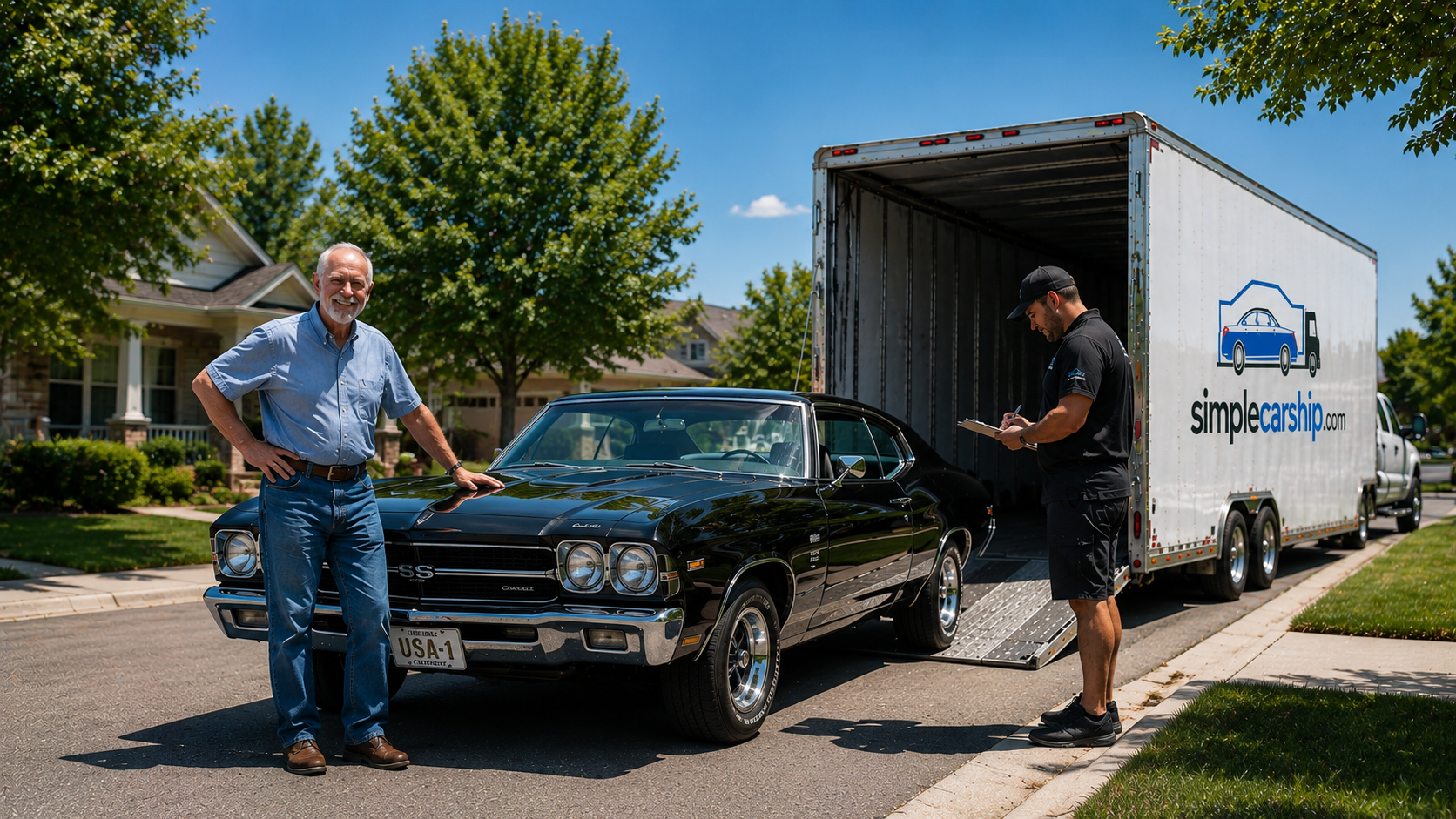
Shipping a car to or from college across state lines solves the hassle of a multi-day drive during move-in or finals week, but timing and coordination matter more than most families expect. This guide walks you through the mechanics of college student car shipping—when to book around semester schedules, how pricing works for student budgets, and the logistics of pickup and delivery near campus housing.
Why Students Ship Cars Instead of Driving Cross-Country
A coast-to-coast drive eats three to five days each way, plus hotels, meals, and wear on the vehicle. For a student flying home for winter break or moving to an out-of-state internship, those days conflict with exam schedules and lease handovers. Auto transport puts the car on a carrier while the student flies, arriving within a similar window but without the fatigue or mileage.
The math shifts depending on distance. A 400-mile trip might cost less to drive yourself when you factor in fuel and a single night’s lodging. Beyond about 800 miles, professional transport typically breaks even or saves money once you account for time off work, second drivers, and the risk of breakdown far from home.
Timing Your Shipment Around the Academic Calendar
Carrier availability tightens during the bookend weeks of each semester—late August, early January, late April, and mid-May—because thousands of students move simultaneously. Routes between college towns and major metro areas see the highest demand, which can push lead times from the usual seven to ten days out to two weeks or more.
Book at least three weeks before your target delivery date during peak periods. If your school’s move-in window falls within a narrow range (say, a single weekend), specify your earliest acceptable pickup date and build a buffer. Carriers often batch student shipments along popular corridors, so a little flexibility on your end—”any time the week before classes start”—can unlock better availability and sometimes a lower price.
For winter and summer breaks, you have more breathing room. Demand spreads across December and June rather than concentrating in a single week, so a two-week booking lead is usually enough. Either way, get quotes early; you can always adjust dates closer to the move if the carrier’s dispatch team has notice.
How Pricing Works for Student Car Shipments
Auto transport cost hinges on distance, route density, and service type. Our Cost Index shows open transport averaging around $1.32 per mile in 2026, but that figure tapers on a curve: short hauls under 500 miles run closer to $1.93 per mile because fixed costs—driver time, fuel for pickup and delivery legs—don’t shrink much, while long hauls beyond 1,500 miles drop toward $0.85 per mile as highway miles dominate.
When you get an instant car shipping quote, the engine pulls current fuel prices (trackable via the U.S. Energy Information Administration’s weekly on-highway diesel price) and carrier availability along your specific lane. A dense route with daily truck traffic—think California to Texas or Florida to the Northeast—costs less per mile than a rural pickup in Montana, because carriers can daisy-chain shipments and avoid empty backhauls.
For example, the cost to ship a car from California to Texas runs about $1,525–$1,860 for open transport on the roughly 1,564-mile corridor, with transit taking three to five days. Enclosed transport on the same route, which cocoons the car inside a trailer away from road spray and weather, costs $2,440–$2,970—approximately 60 percent higher than open. Most students choose open unless the vehicle is a high-value or exotic model; the carriers in our network secure every car with wheel straps and conduct pre- and post-trip inspections either way.
Seasonal swings also matter. Diesel prices and the Bureau of Labor Statistics truck-transportation Producer Price Index both influence baseline rates, and late-summer demand can nudge quotes higher along college corridors. Booking early locks your price even if fuel climbs before pickup.
Coordinating Pickup and Delivery Near Campus
Most carriers operate full-size rigs—53-foot trailers or multi-car haulers—that cannot navigate narrow dorm loops, parking garages, or streets with low-clearance trees. You will almost always arrange a nearby meeting point: a shopping-center lot, a grocery store with truck access, or a residential street wide enough for the driver to load or unload safely.
When you book, the dispatcher will ask for the exact pickup address and will call or text a day before to confirm a specific location within a few blocks. If you live in a campus apartment, scout a legal parking zone—preferably one that allows a truck to idle for fifteen minutes—and share a dropped pin. The driver needs room to lower the hydraulic ramp and winch the car aboard; tight cul-de-sacs and permit-only zones cause delays.
Delivery works the same way in reverse. If your destination is a dorm, plan to meet the carrier at a public lot near campus rather than expecting curbside service outside your hall. Many families coordinate delivery to a parent’s home address during the same trip, then drive the car to school separately; others ship directly to an off-campus apartment if the street allows truck access. Either way, someone over eighteen with a valid ID must be present to sign the bill of lading and inspect the vehicle.
What to Do Before the Carrier Arrives
Wash the car inside and out so both you and the driver can document any existing scratches, dents, or dings on the condition report. Take time-stamped photos of all four corners, the roof, and the wheels; these matter if a dispute arises, though damage claims are rare when carriers follow proper securement protocols.
Remove or secure any loose items inside. Carriers allow a small amount of personal belongings in the trunk—typically what fits below the deck lid line—but the cab and back seat must stay empty to prevent shifting during transit. Aftermarket spoilers, bike racks, and low ground-clearance kits sometimes require disclosure so the driver can adjust ramp angles.
Check that the fuel tank sits between one-eighth and one-quarter full. A near-empty tank is fine; a full one adds unnecessary weight and, in the unlikely event of a leak, creates a bigger cleanup. Disable any alarm system that triggers on tilt or battery disconnect, and leave one set of keys with the driver while keeping a spare for yourself.
Open vs. Enclosed Transport for College Vehicles
Open carriers—the double-decker rigs you see on the highway—handle the vast majority of student shipments. They cost less, depart more frequently along popular routes, and deliver cars in the same condition as any daily highway commute. Road grime and weather exposure are minimal over a three- to five-day transit; a car wash on arrival is usually all you need.
Enclosed trailers make sense for high-value or exotic vehicles, classics, or any car where cosmetic perfection justifies the 60 percent premium. If you’re shipping a hand-me-down sedan or a typical student vehicle, open transport offers the best value and the shortest wait for a carrier match.
Insurance and Liability During Transit
Every licensed motor carrier maintains cargo insurance that covers your vehicle while it is in their care, custody, and control. The policy activates the moment the driver signs the bill of lading at pickup and remains in force until you sign off at delivery. Exact coverage limits vary by carrier, but all operators in our vetted network carry policies that meet or exceed federal requirements.
Before shipping, check whether your personal auto policy or a parent’s policy includes in-transit coverage; some comprehensive plans extend protection during transport, which can simplify claims if an incident occurs. You are not required to buy additional insurance from the carrier, but some families opt for supplemental coverage on high-value vehicles. Ask for a certificate of insurance from the carrier if you want written proof of their policy details.
What Happens If Plans Change
Life during college is unpredictable—exam schedules shift, housing assignments change, flights get canceled. Most carriers allow date adjustments up until dispatch as long as you provide reasonable notice, typically seventy-two hours. Once a truck is assigned and en route to your pickup point, changes become harder and may incur a re-dispatch fee, so communicate early if your timeline shifts.
If you need to cancel altogether, review the terms in your order agreement. Many brokers and carriers allow free cancellation before dispatch; after that, you may forfeit a deposit or pay a percentage of the quote. The earlier you call, the more options you have.
Get your instant car shipping price
Real quote in seconds — no spam, no runaround.
Frequently Asked Questions
When is the cheapest time to ship a car for college?
Avoid the peak move-in and move-out weeks in late August, early January, and May. Mid-semester periods and summer months outside of graduation weekend see lower demand and better carrier availability, which can translate to more competitive pricing along college routes.
Can I pack boxes or luggage inside the car during shipping?
Carriers typically allow items in the trunk up to the deck-lid line, but the cabin must stay empty. Loose cargo shifts during loading and unloading, and most motor-carrier insurance excludes personal belongings. Ship essentials separately or pack only what you can afford to risk.
How much notice do I need to book a student car shipment?
Three weeks before your preferred pickup date during peak semester transitions; two weeks is usually sufficient mid-year. Early booking locks your rate and gives dispatchers time to match you with a carrier running your route, especially on less-dense lanes.
What if my dorm has no street parking for a big truck?
You will coordinate a nearby public lot—often a grocery store, strip mall, or municipal parking area—where the carrier can safely load or unload. The dispatcher will work with you to identify a legal, accessible spot within a few blocks of campus before the driver departs.
Does the car need to be drivable to ship it?
Carriers prefer running vehicles because they roll on and off under their own power. Non-running cars require a winch, which adds time and sometimes a surcharge. If your car has mechanical issues, disclose them when you book so the carrier brings the right equipment.
Ready to Ship Your Car to Campus?
Whether you’re heading cross-country for your first semester or coordinating a summer move, getting an accurate quote tailored to your exact route and dates is the best first step. Visit our homepage to get an instant car shipping quote, compare open and enclosed options, and lock in your pickup window before the next semester rush begins.