
What Documents Do You Need to Ship a Car?
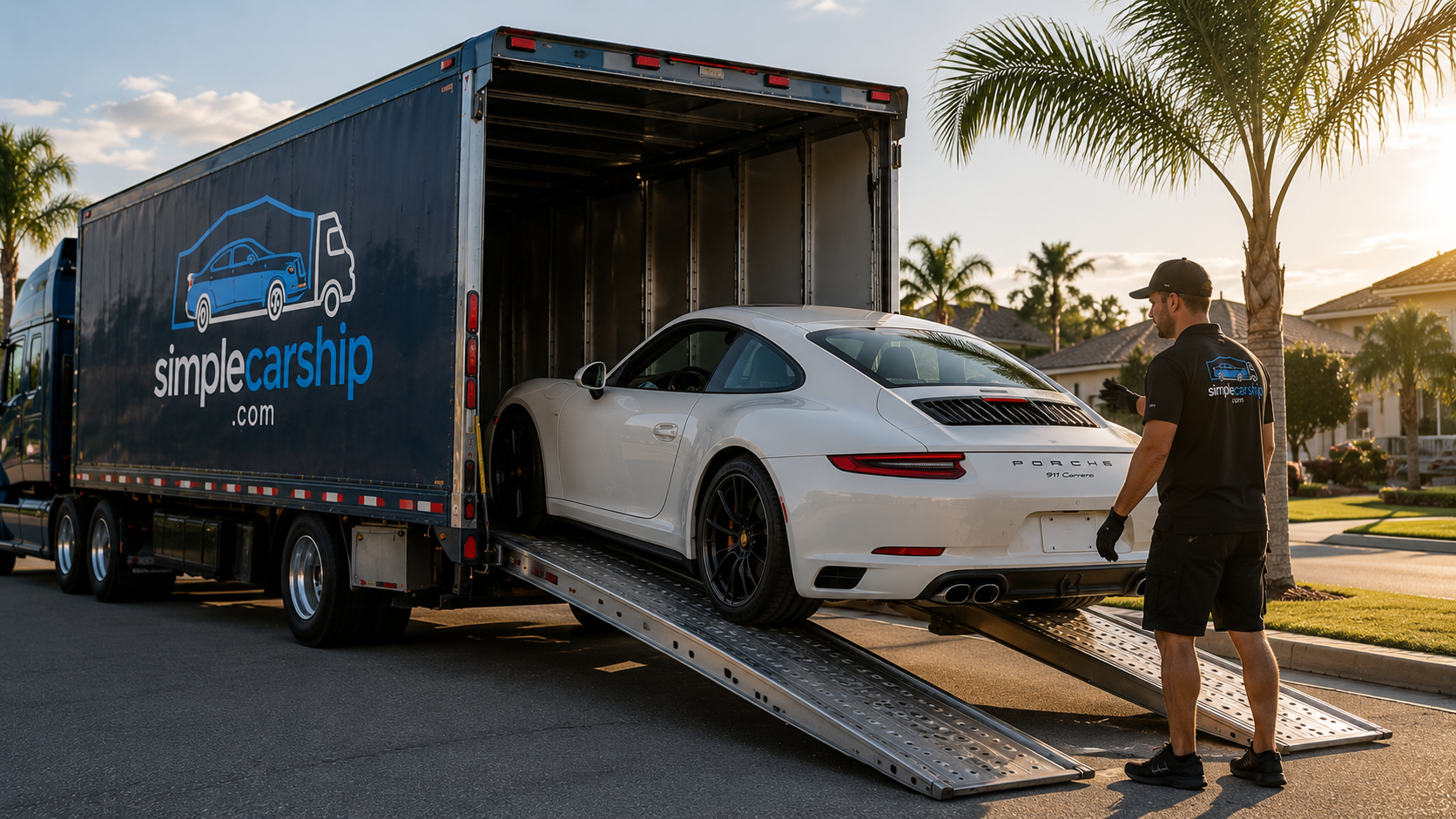
Shipping a car requires three core documents: a government-issued photo ID, proof of vehicle ownership (registration or title), and a signed Bill of Lading. The paperwork confirms your identity, ties you to the vehicle, and creates the legal record of the car’s condition and transfer of custody. Get these ready before your carrier arrives—missing or mismatched documents can delay pickup or void your contract.
The Bill of Lading: Your Shipping Contract and Condition Report
The Bill of Lading is the most critical document in any car shipment. It serves as a contract between you and the carrier, a receipt for the vehicle, and a shared condition report. When the driver arrives, you’ll walk around the car together, noting every scratch, dent, or paint chip on a diagram printed on the BOL. Both parties sign two copies—one stays with you, the other travels with the car.
At delivery, you repeat the inspection. If new damage appears that isn’t on the original BOL, document it before signing. That signed BOL becomes your evidence for any cargo-insurance claim. Carriers won’t accept damage claims for issues that weren’t caught at delivery, so never skip the walk-around. Bring a flashlight and take your time.
The BOL also lists pickup and delivery addresses, the transport price, and the carrier’s USDOT number. Keep your signed copy—you’ll need it if anything goes wrong.
Government-Issued Photo ID: Proving You Are Who You Say You Are
Carriers require a valid, government-issued photo ID from the person releasing or receiving the vehicle. A driver’s license, passport, or state ID all work. The name on the ID should match the Bill of Lading and, ideally, the vehicle registration.
If names don’t match exactly—for example, your registration shows a middle initial but your license doesn’t—most carriers will still proceed as long as you can demonstrate ownership. But large mismatches may require additional documentation, like a notarized letter from the registered owner.
Make a photocopy or snap a clear photo of your ID before pickup as backup.
Proof of Ownership: Registration or Title
You must prove you own—or are authorized to ship—the vehicle. In most cases, your current vehicle registration is sufficient. Registration shows your name, the VIN, and that the car is legally registered.
If the car is newly purchased without permanent plates, bring your temporary registration or dealer’s bill of sale with temporary tags. If you’re shipping a car you just bought privately and the title hasn’t transferred, carry the signed-over title and your bill of sale.
Some carriers ask for the title itself, especially for inoperable vehicles or cross-country moves, but that’s less common. Never hand over your original title to the driver—only show it for verification.
Shipping a Car You Don’t Own: Power of Attorney and Authorization Letters
If you’re arranging transport for someone else—a relative, deployed service member, or corporate fleet vehicle—you’ll need written authorization from the registered owner. Most carriers accept a signed letter including the owner’s name, your name, the vehicle’s year/make/model and VIN, and explicit permission to ship the car. Both parties should sign and date it.
For higher-value vehicles, a notarized power of attorney works better. Some carriers require notarization when the person releasing the car isn’t on the registration.
Whoever releases or receives the vehicle still needs to present their own photo ID. The authorization letter doesn’t replace that requirement. The person who signs the Bill of Lading at each end is legally responsible for the condition report’s accuracy.
Dealer, Auction, and Broker Transactions
Cars sold at dealer auctions often move under different paperwork rules. Dealers use a gate pass or auction release form instead of traditional registration, and the buyer presents their dealer license and the auction’s buyer receipt.
If you bought a car at a public auction like Copart or IAA, you’ll receive a paid-in-full invoice and gate-release document. Bring both, along with your ID. Many auction cars are inoperable, so confirm your carrier can load a non-running vehicle—not all open-transport drivers carry a winch.
Brokers arrange the carrier but don’t take possession of your car, so they never need your title or registration sent to them. The driver will check your documents in person at pickup.
What If You’ve Lost Your Registration or Title?
If your registration is lost, expired, or destroyed, request a duplicate from your state DMV before your pickup date. Most states offer online ordering with delivery in five to ten business days. Do not wait—carriers can refuse to load a car without proof of ownership.
Lost titles take longer to replace and usually require a notarized application. If your shipment is time-sensitive, ask your carrier if current registration plus a bill of sale will suffice.
If the vehicle is abandoned, inherited, or otherwise complicated, consult your state DMV about a bonded title before attempting to ship. Carriers won’t transport a car with cloudy ownership.
Insurance Certificates and Other Optional Documents
Federal law requires every licensed motor carrier to carry cargo insurance, but you don’t need to bring your own auto-insurance card unless you plan to drive the car onto the trailer. The carrier’s cargo policy covers the vehicle in transit; your personal policy covers it when you’re driving.
Some shippers photograph their vehicle with a dated newspaper or print their own condition report. These aren’t required, but they can help if a dispute arises. The signed BOL is the legal document—your photos are supporting evidence.
For high-value or exotic vehicles, ask your carrier for a copy of their cargo-insurance certificate before pickup. Reputable carriers provide this on request.
Checklist: Gather These Before Your Carrier Arrives
Before pickup day, assemble:
- Government-issued photo ID for the person releasing the vehicle
- Current vehicle registration or title in your name, or a signed bill of sale if recently purchased
- Notarized authorization letter or power of attorney if you’re not the registered owner
- Auction gate pass or dealer invoice if the car came from an auction
- Duplicate-registration receipt or temporary tags if your permanent documents are in transit
- Second set of keys (optional but helpful)
Check that the VIN on your paperwork matches the VIN on the car’s dashboard and door jamb. Mismatches can cause the carrier to refuse the load.
Get your instant car shipping price
Real quote in seconds. Enter your details and we’ll show your price instantly.
No spam — we only use this to send your quote and confirm your booking.
Frequently Asked Questions
Do I need to give the carrier my car title?
No. Carriers only need to see your title or registration to verify ownership; they should never take possession of the original document. If a driver insists on holding your title during transport, that’s a serious red flag. Show it, let them note the details, then keep it yourself.
Can someone else pick up my car if I’m not available at delivery?
Yes, as long as that person brings their own government-issued photo ID and a signed authorization letter from you. The letter should include your name, their name, the vehicle details, and your signature. The person receiving the car will sign the Bill of Lading, so choose someone you trust to inspect for damage carefully.
What if my registration is in my maiden name but my license shows my married name?
Most carriers accept this if you can show a marriage certificate or other document linking the two names. Call your carrier in advance and ask what they prefer. Some will note the name difference on the Bill of Lading; others may request a notarized statement.
Do I need insurance paperwork to ship my car?
No. The carrier’s cargo insurance covers your vehicle in transit, and you don’t need to provide proof of your personal auto insurance. However, keeping your policy active is still wise—if the car is damaged in transport, your own insurer may help coordinate the claim or provide rental coverage.
What documents do I need to ship a car I bought at an online auction?
Bring the auction house’s paid-in-full invoice, the gate-release or pickup authorization form, and your government-issued photo ID. If the auction provides a temporary movement permit or transit tag, have that ready too. Confirm your carrier can handle non-running vehicles if the car has mechanical issues or no keys.
Get Your Car Shipped With Complete Peace of Mind
Proper documentation protects you, the carrier, and your vehicle. By gathering your ID, registration, and any authorization letters before the driver arrives, you ensure a smooth pickup and delivery with a clear paper trail if anything goes wrong. Ready to move your car? Get an instant quote and book your shipment at Simple Car Ship—we’ll walk you through every document you need and answer any questions before your carrier is assigned.