
The Best Time of Year to Ship a Car (Cost & Timing)
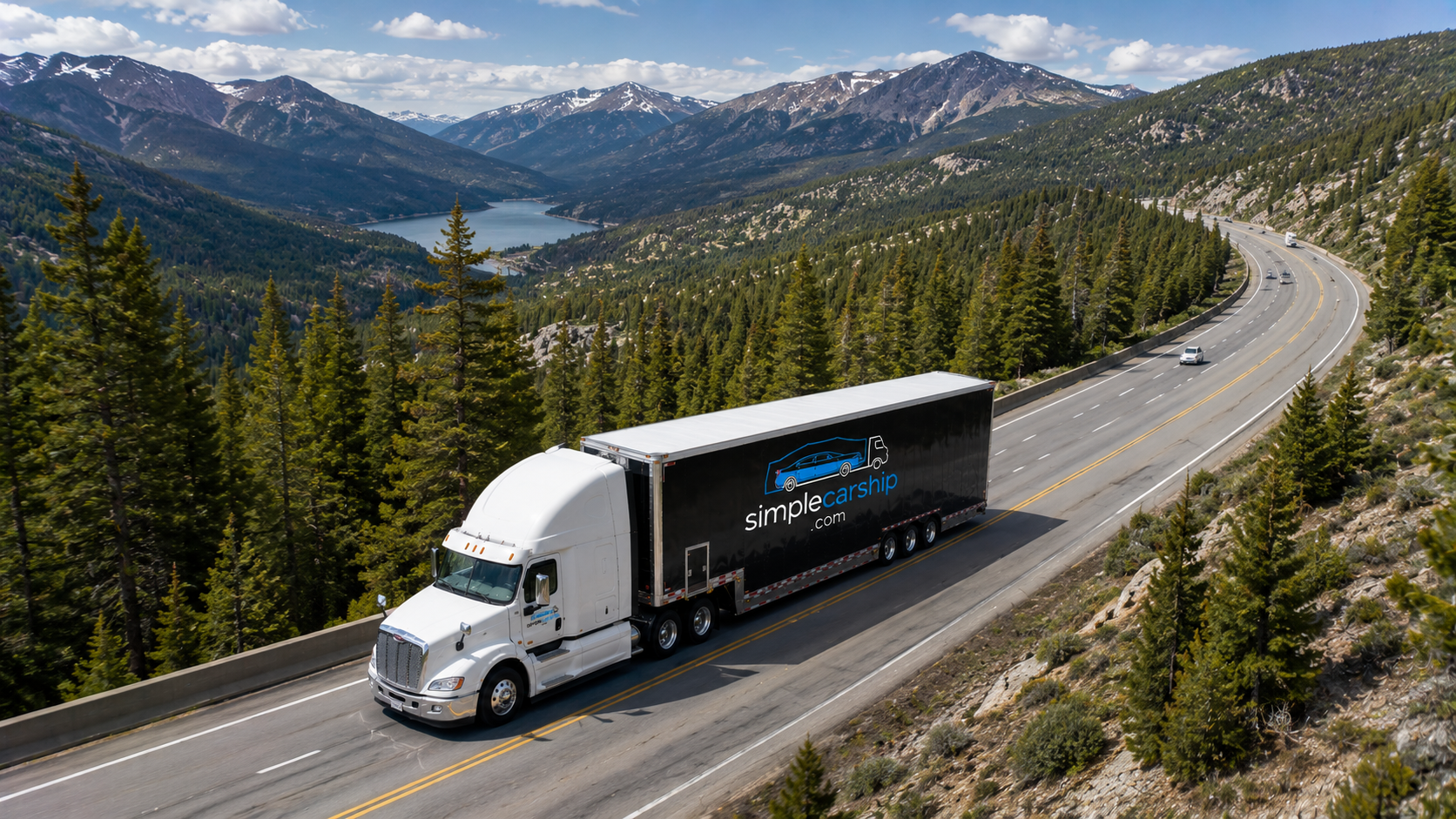
Auto transport pricing and availability swing through predictable annual cycles. Rates climb hardest in late fall through early spring along snowbird corridors into Florida and the Sun Belt, then peak again mid-summer during the nationwide moving surge. If you can shift your shipment by a few weeks—or simply book early when demand is building—you’ll avoid the tightest carrier capacity and the highest prices of the year.
Below is the seasonal pattern we see across thousands of routes, the calendar windows that drive it, and how to time your booking when flexibility exists.
Why Seasonality Matters in Auto Transport
Car shipping runs on a for-hire trucking market: independent owner-operators and small fleets move from load to load, and their availability shifts with aggregate demand. When snowbirds, college students, military transfers, and residential movers all hit the same lanes at once, carriers can be selective. Prices rise, and trucks that would ordinarily detour for a pick-up skip marginal routes to stay on the most profitable corridors.
Fuel and labor are the two largest line-items in what drives car shipping costs, and both stay fairly stable month to month. Seasonal price swings come almost entirely from supply and demand—not carrier greed, but the economics of a truck that can only carry eight to ten cars at a time.
October Through April: The Snowbird Surge
The steepest, longest price climb of the year runs from mid-October through early April on routes flowing into Florida, Arizona, southern California, and Texas. Retirees and seasonal residents move south after the first frost and return north in spring, and universities on the semester calendar add pulses in late August, late December, and May.
Florida sees the heaviest snowbird traffic. Our live pricing shows that shipping a sedan on the cost to ship a car from New York to Florida route—roughly 1,286 miles—runs $1,245 to $1,515 for open transport and $1,990 to $2,420 for enclosed during peak winter weeks. Book that same lane in July or September and you’ll typically land toward the lower end of the range, sometimes below it, because northbound and lateral moves dominate summer and early fall.
Capacity tightens further around Thanksgiving, Christmas, and New Year’s, when many owner-operators take time off. If your move must happen in those windows, add at least two weeks of lead time and expect quotes at the top of any range you receive.
May Through September: Summer Moving Season
Residential leases turn over heavily between Memorial Day and Labor Day, military PCS orders concentrate in June and July, and families with school-age children cluster relocations into summer break. Unlike the snowbird season—which funnels demand into a handful of Sun Belt states—summer demand spreads across the country, so no single lane dominates.
Rates tick up during these months, but the increase is usually smaller and shorter than the winter snowbird spike. Carriers stay busy, yet geographic diversity means trucks can often build efficient multi-car routes without the severe imbalances that plague north-south corridors in winter.
If you’re moving for a job or a lease and the start date is flexible by even two weeks, aim for late August or the first half of September. Families with children have mostly moved by then, college students are settled, and capacity begins to loosen before the October snowbird wave starts.
The Shoulder Seasons: Late September and Early May
These brief windows offer the best combination of competitive pricing and reliable availability. Summer moving demand has ebbed, snowbird season hasn’t yet begun (or has just ended), and weather across most of the country remains mild enough that ice and road closures are rare.
Carriers are motivated to keep their trucks full between the two major demand peaks, so they’ll often accept slightly lower rates and go out of their way for pick-ups they might skip in January. Transit times also tend to run on the shorter side of any estimate because trucks aren’t waiting to fill every slot before departing.
How Weather Affects Timing and Routes
Snowstorms, ice, and road closures can delay pick-up or delivery by days, particularly across the Midwest, Rockies, and northern tier states between December and March. Carriers won’t risk loading a vehicle if the forecast shows a major storm arriving before they can get the truck out of the region, and many shippers delay their orders when they see a blizzard warning.
Hurricanes occasionally disrupt the Gulf Coast and Florida corridors in late summer and early fall. When a named storm enters the five-day forecast cone, carriers either rush to clear the zone or pause new pick-ups until it passes. If your shipping window overlaps hurricane season and your origin or destination sits on the coast, monitor the forecast and communicate any urgency to your broker as early as possible.
Heat itself rarely stops a shipment, but wildfire smoke and road closures in the West can reroute trucks and add a day to transit during severe fire seasons, typically July through October.
Booking Strategy: Lead Time and Flexibility
Two to three weeks of lead time gives you access to the widest pool of carriers, even during shoulder seasons. In peak periods—late October through March for snowbird routes, June and July nationwide—push that to four weeks if your dates are fixed.
Flexibility pays concretely. If you can offer a five-day pick-up window instead of a single date, carriers can slot your car into a route they’re already building, and your quote will reflect that efficiency. The same logic applies to delivery: a “deliver any time that week” instruction costs less than “must arrive Tuesday.”
Avoid booking so early that your window is still speculative—most carriers work four to six weeks out—but don’t wait until the week before, when your only options may be the priciest trucks with open slots.
Open Versus Enclosed: Seasonal Differences
According to our Cost Index, enclosed transport averages about 60 percent higher than open on the same route in 2026, a premium driven by the scarcity of enclosed trailers and the smaller load count—typically two to seven cars instead of eight to ten.
Enclosed capacity remains tight year-round because the trailer pool is small, but seasonality still applies. Snowbird collectors shipping high-value or exotic vehicles south for winter storage create a pronounced enclosed-demand peak from October into December, and the return wave hits in April and May. If you need enclosed and have any date flexibility, late summer and early fall offer modestly better availability.
Distance and Per-Mile Rates Throughout the Year
Our Cost Index shows that short hauls—under about 500 miles—average around $1.93 per mile, while long hauls over 1,500 miles drop to roughly $0.85 per mile, with the national average across all distances near $1.32 per mile for open transport in 2026. These per-mile figures taper because fixed costs (loading, unloading, administration) spread over more miles on long routes.
Seasonal swings don’t change the taper itself, but they do shift where any given route lands within its range. A 300-mile run that might quote near the bottom of its range in September can jump closer to the top in January if it connects to a high-demand snowbird lane.
Get your instant car shipping price
Real quote in seconds — no spam, no runaround.
Frequently Asked Questions
What is the cheapest month to ship a car?
Late September and early May typically offer the lowest rates and best availability. Summer moving demand has faded, snowbird season hasn’t started or has just ended, and carriers are eager to fill trucks between the two annual peaks.
How much more expensive is car shipping during snowbird season?
Prices on routes into Florida, Arizona, and the Sun Belt can rise notably from October through March due to retiree migration and seasonal-resident travel. The exact increase depends on the lane, but expect quotes near the top of any range during these months.
Should I ship my car before or after a holiday?
Ship before if possible. Many owner-operators take Thanksgiving, Christmas, and New Year’s off, so capacity tightens and prices climb in the days immediately surrounding those holidays. Booking two weeks ahead and offering flexible dates helps.
Does weather delay car shipping in winter?
Yes. Snowstorms, ice, and road closures across the Midwest, Rockies, and northern states can delay pick-up or delivery by several days between December and March. Carriers won’t load if a major storm is forecast before they can depart the area.
How far in advance should I book during peak season?
Four weeks of lead time is ideal for fixed-date moves during snowbird season (October–March) or summer peak (June–July). Three weeks works for shoulder seasons. Last-minute bookings during high demand leave you with fewer carriers and higher quotes.
Ready to Ship? Get Your Quote
Timing your car shipment around seasonal demand can save you money and headaches, but every route and date pair is different. Our instant quote engine pulls real carrier availability and pricing for your exact lane and window—no phone tag, no placeholder ranges. Get your quote now and see what your specific dates will cost.