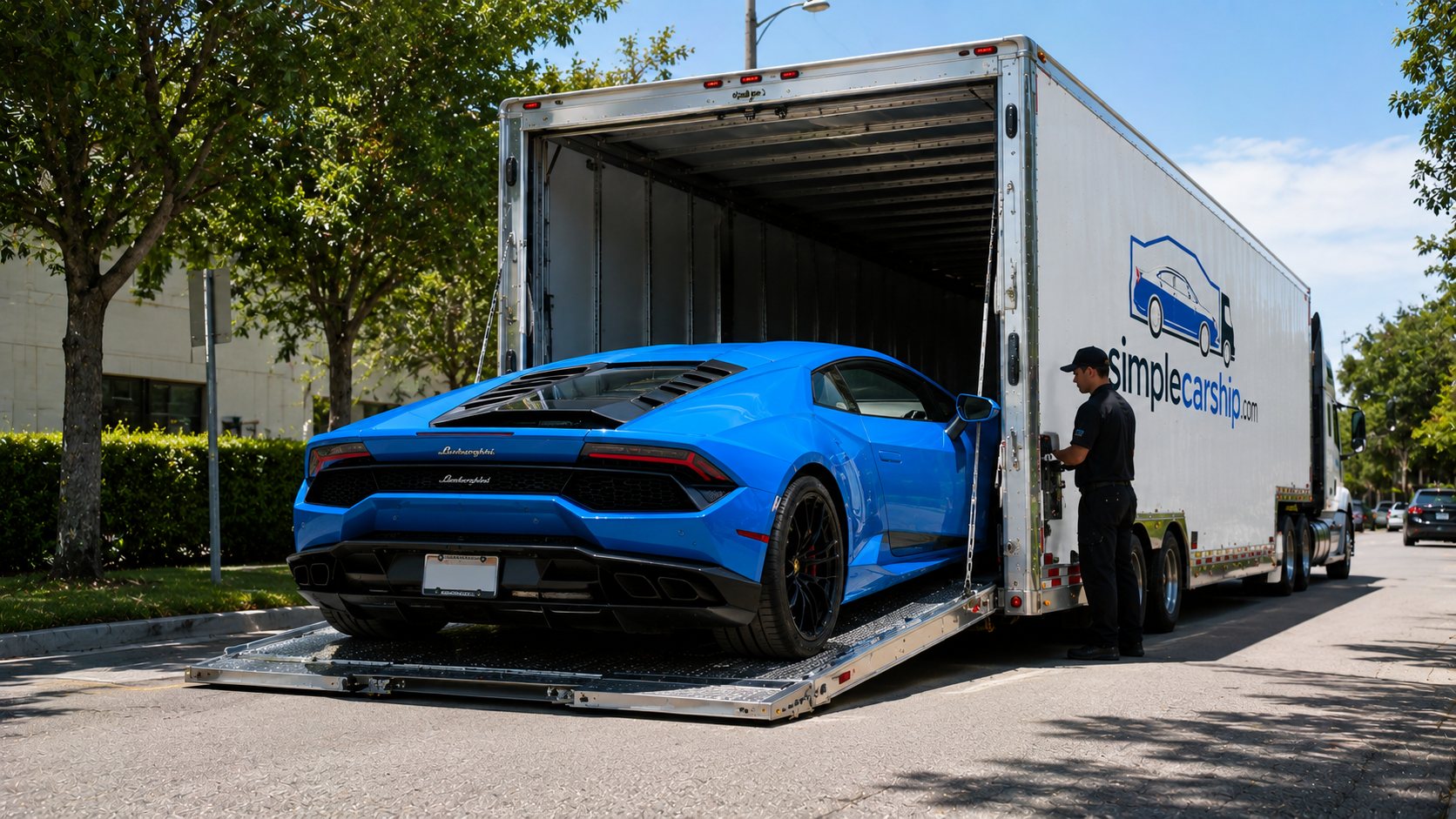
How Much Does It Cost to Ship a Car from Virginia to Nevada?
Shipping a car from Virginia to Nevada costs between $1,945 and $2,365 for open transport, or $3,110 to $3,785 for enclosed carriers across the 2,402-mile journey. What you’ll actually pay depends on your vehicle type, trailer choice, pickup and delivery locations, and when you need it moved. If you’re planning a cross-country relocation or delivering a vehicle to Las Vegas or Reno, understanding the real factors behind these numbers helps you budget accurately and avoid surprise fees.
Get your instant car shipping price
Real quote in seconds — no spam, no runaround.
What Moves the Price for Virginia to Nevada Auto Transport
The 2,402-mile route from Virginia to Nevada is priced primarily by distance, but your final quote shifts based on specifics. Vehicle size matters: a compact sedan rides at the lower end of the open range ($1,945–$2,365), while a lifted truck or three-row SUV pushes toward the top because it occupies more carrier deck space and adds weight. Trailer type is the next biggest factor—enclosed transport ($3,110–$3,785) costs roughly 60% more than open because fewer vehicles fit per load and demand from classic-car and luxury owners keeps capacity tight.
Pickup and delivery metro areas also adjust cost. Richmond and Virginia Beach are well-served origins with frequent westbound carrier traffic, keeping prices competitive. On the Nevada side, Las Vegas sees heavy inbound volume year-round (relocation, tourism-industry vehicle purchases), so rates stay stable; Reno has slightly less frequent service, occasionally adding $50–$100 if your delivery window is narrow. Flexible pickup dates—giving carriers a three-to-five-day window—typically save $100–$200 compared to a single fixed date. If you need guaranteed pickup within 24–48 hours, expedited open transport runs around $3,168, a premium of roughly $800 over standard open service, because the broker must prioritize your load and may deadhead a truck to your location.
Open vs. Enclosed Transport: Which Makes Sense for This Route
Open transport dominates the Virginia–Nevada corridor because it’s cost-effective and capacity is plentiful. Your car rides on a double-decker open trailer alongside five to nine other vehicles, exposed to weather and road spray but securely strapped and insured. For daily drivers, commuter sedans, and most SUVs in good working condition, open is the rational pick—you save over a thousand dollars, and the 4–6 day transit window leaves little time for significant weather exposure. Carriers run this route constantly, so availability is rarely an issue even with a week’s notice.
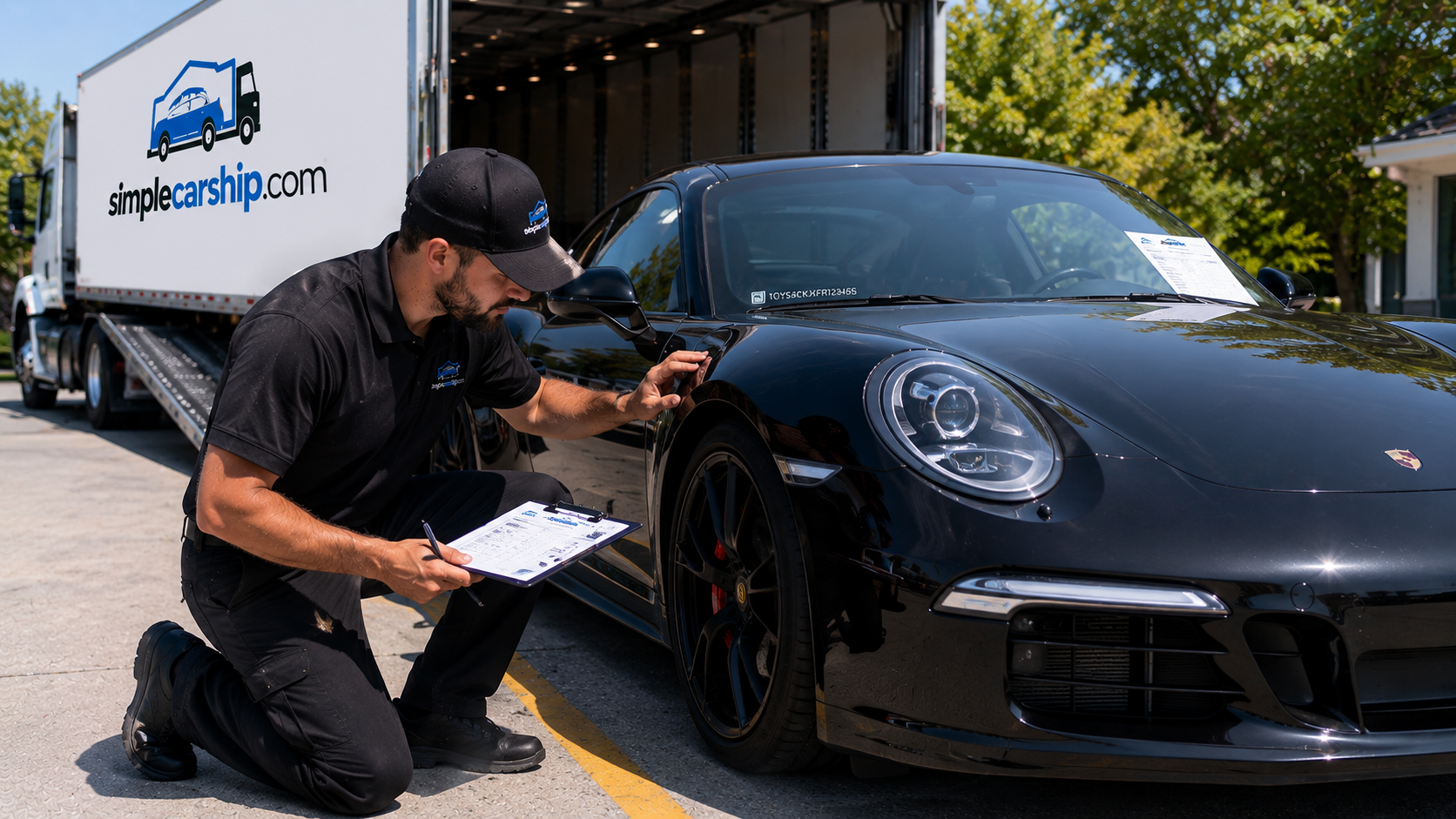
Enclosed makes sense for higher-value or vulnerable vehicles. If you’re moving a Porsche 911, a restored ’69 Mustang, a Tesla Model S Plaid, or any car worth north of $75,000, the $3,110–$3,785 enclosed premium buys hard-sided protection from road debris, dust storms crossing Utah and Nevada, and the peace of mind that only two to six vehicles share the trailer. Enclosed carriers also attract more experienced drivers who specialize in high-value loads. Collectors shipping classic or exotic cars to Las Vegas (home to auctions, shows, and a robust enthusiast community) almost universally choose enclosed; the risk of rock chips or sun damage across 2,400 miles simply isn’t worth the savings.
| Feature | Open Transport | Enclosed Transport |
|---|---|---|
| Price (VA→NV) | $1,945–$2,365 | $3,110–$3,785 |
| Transit Time | 4–6 days | 4–6 days |
| Protection | Insured; exposed to weather | Hard-sided; full enclosure |
| Best For | Daily drivers, SUVs, trucks | Classics, luxury, exotics |
How the Virginia to Nevada Shipping Process Works
The mechanics are straightforward. You request a quote (ours are clear, with no hidden broker fees), confirm your pickup window, and we assign a hand-selected, fully insured carrier. Most pickups in Virginia happen in or near Richmond and Virginia Beach, the state’s largest metros; if you’re outside these hubs—say, Charlottesville or Norfolk—the carrier will coordinate a convenient meeting point, often at your home or workplace if the truck can navigate your street. On the Nevada end, Las Vegas accounts for the majority of deliveries, with Reno and occasionally Carson City or Henderson as secondaries. Transit covers roughly 2,402 road miles via I-64 west to I-70, crossing the Appalachians, cutting through Missouri and Kansas, then I-70 to I-15 south into Nevada—or a southern swing via I-40 if the carrier has other drops.
Expect 4 to 6 days dock-to-dock under normal conditions. Day one is pickup and initial westbound miles; days two through four cover the Great Plains and Rockies; day five sees the carrier descend into Nevada, with delivery often completing by end of day five or morning of day six. Weather delays are rare on this route outside of winter (mountain passes can add 6–12 hours if a snowstorm hits I-70 in Colorado), but carriers build a day of buffer into schedules. You’ll receive the driver’s contact info 12–24 hours before pickup, and most drivers text or call again a few hours out from delivery. Inspect your vehicle at both ends, note any pre-existing damage on the bill of lading, and take photos—it’s rare, but documentation protects both parties.
Timing, Flexibility, and How to Get the Best Rate
Booking two to three weeks ahead usually locks in the best combination of price and carrier selection. Last-minute requests—inside of five days—limit your options because quality carriers are already dispatched, forcing brokers to chase costlier or less-experienced drivers. Conversely, booking months in advance often means repricing closer to pickup if market rates shift. The sweet spot is 10–20 days out: you pay current market rates, and carriers have room in their schedules to bid competitively.
Flexibility saves money. A firm pickup date (“must be Tuesday the 14th”) forces us to prioritize your load, sometimes paying a driver extra to reroute or deadhead—a cost passed to you. A three-to-five-day window (“anytime between the 12th and 16th”) lets the carrier fold your vehicle into an existing westbound route, dropping your price $100–$200. The same logic applies to delivery: “anytime that week” is cheaper than “Friday by 3 p.m.” If time permits, tell us your ideal dates and your flexibility; we’ll show you the savings in real dollars.
Why Simple Car Ship for Virginia–Nevada Moves
We’ve watched too many brokers treat cross-country routes like Virginia to Nevada as transaction volume—post the load on a board, assign it to whoever bids lowest, then disappear until the customer calls wondering where their car is. That’s not how we work. Every carrier we dispatch is vetted for insurance, safety ratings, and communication standards. You’re not handed off to a call center; the person who quotes your shipment stays in the loop through delivery. Your vehicle isn’t a load number—we know it’s a $30,000 asset (or a $90,000 one), and we choose drivers accordingly.
Our quotes are transparent: the price you see is the price you pay, broken out by carrier cost and our coordination fee. No “deposit now, balance due plus surprise fees at delivery” games. If conditions change—say, your HOA forbids commercial trucks and we need to arrange a smaller relay truck for the final mile—we discuss it and the cost before proceeding, not after. For a 2,400-mile journey across six states, clear communication and a reliable carrier are worth far more than saving $50 by rolling the dice with an unknown broker. Get a transparent quote and experience the difference real service makes.
Frequently Asked Questions: Virginia to Nevada Car Shipping
How much does it cost to ship a car from Virginia to Nevada?
Open transport costs $1,945 to $2,365 for the 2,402-mile route, while enclosed runs $3,110 to $3,785. Your exact price depends on vehicle size, pickup/delivery cities (Richmond and Las Vegas are cheapest; rural areas add $50–$150), date flexibility, and current carrier availability. Expedited open service costs around $3,168 if you need guaranteed pickup within 48 hours.
How long does shipping take from Virginia to Nevada?
Expect 4 to 6 days for the 2,402-mile journey. Pickup typically occurs within one to three days of your requested window; transit itself takes three to five days via I-64/I-70 or I-40 westbound. Winter weather in the Rockies can add 6–12 hours, but delays are uncommon. Expedited service can compress the timeline slightly, though distance still requires roughly four days minimum on the road.
Is open or enclosed transport better for this route?
Open transport is best for daily drivers, work trucks, and most SUVs—it costs $1,200 less and capacity is plentiful on this busy corridor. Choose enclosed ($3,110–$3,785) for vehicles over $75,000, classics, exotics, or low-clearance sports cars vulnerable to road debris. The 2,400-mile distance crosses deserts and mountains where dust and rocks are real concerns for high-value paint and trim.
Can I ship from smaller Virginia or Nevada cities, or only major metros?
Yes. Richmond and Virginia Beach are the most economical Virginia origins, and Las Vegas dominates Nevada deliveries, but carriers serve Charlottesville, Norfolk, Reno, Henderson, and Carson City regularly. Rural or remote locations may add $50–$150 and require meeting the truck at a accessible spot—large car-haulers can’t navigate narrow residential streets or steep driveways. We coordinate the logistics once you book.
What’s included in the shipping price, and are there hidden fees?
Our quoted price covers carrier transport, insurance (industry-standard $100,000–$250,000 cargo coverage per load), dispatch coordination, and customer support through delivery. It does not include insurance deductibles (rare, and only if damage occurs and is the carrier’s fault) or fees for special requests like enclosed indoor pickup from a showroom. We itemize every cost up front—no “balance due plus fees” surprises at delivery.