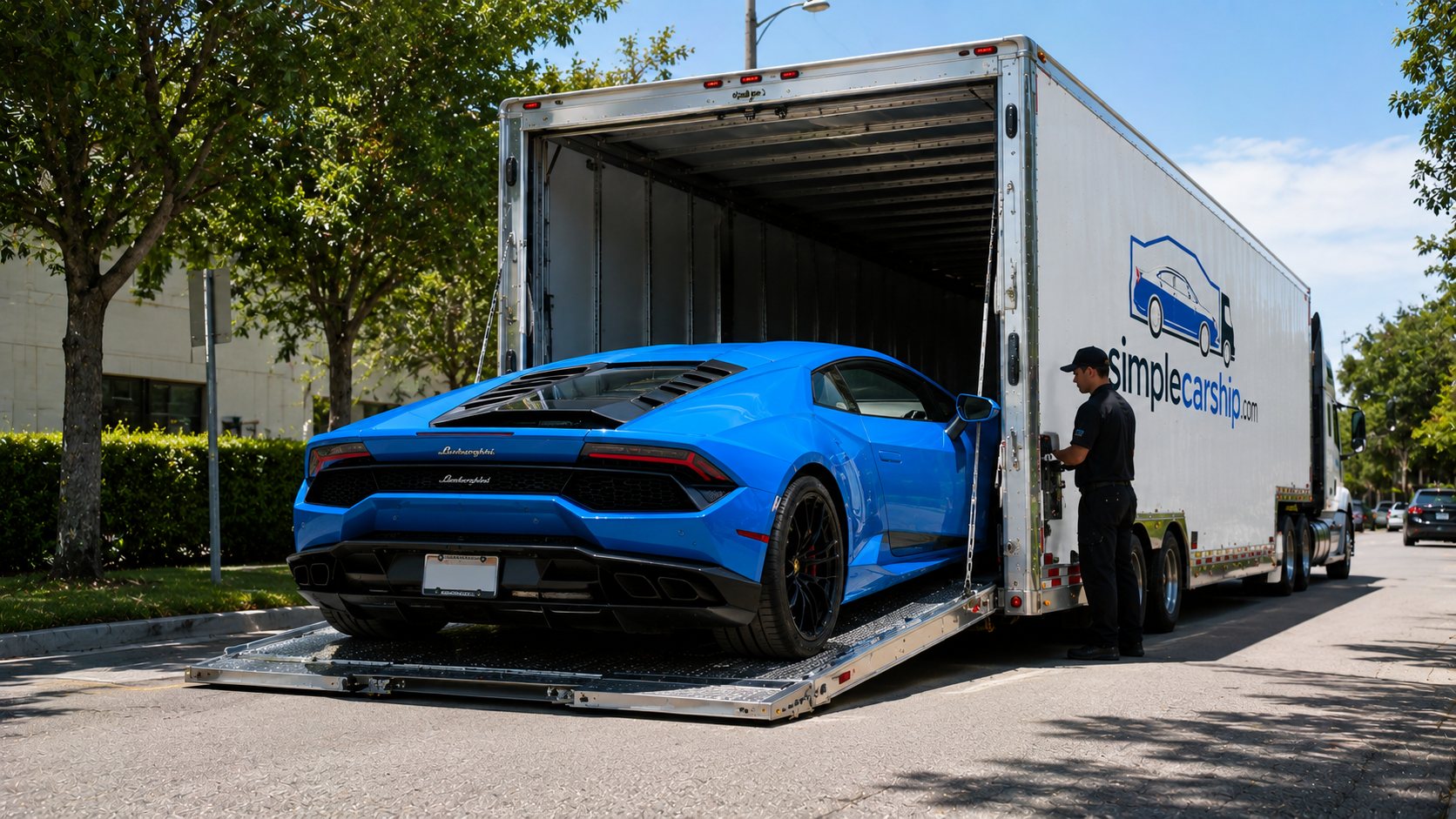
How Much Does It Cost to Ship a Car from Virginia to Oregon?
Shipping a car from Virginia to Oregon typically costs between $2,315 and $2,815 for open transport, or $3,700 to $4,505 if you choose enclosed. The price depends on your pickup and delivery locations, the size and condition of your vehicle, current fuel costs, and carrier availability along this 2,868-mile cross-country route. You’re not guessing—these are the real numbers for this corridor.
Ship your car the simple way. Clear quotes. Real communication. No guesswork, no runaround.
Get your instant car shipping price
Real quote in seconds — no spam, no runaround.
What Moves the Price on the Virginia–Oregon Route
Distance is the biggest factor: at 2,868 miles, Virginia to Oregon is one of the longer domestic routes, and fuel, driver wages, and truck operating costs scale accordingly. But mileage alone doesn’t set the final number. If you’re picking up in a smaller town outside Richmond or Virginia Beach, or delivering to a rural area beyond Portland or Eugene, expect a higher quote—carriers charge extra to leave the interstate corridors. Vehicle size matters, too. A compact sedan rides cheaper than a full-size pickup or three-row SUV, because carrier capacity is measured in deck space, not just vehicle count.
Timing and seasonality play a quieter role on this route than on snowbird corridors, but summer and early fall see higher demand as families relocate before the school year. Inoperable vehicles add $150 to $300 because they require a winch and occupy the bottom deck. If you need guaranteed pickup within 24–48 hours, expedited open transport runs around $3,771—about $950 above standard pricing—and cuts transit time by prioritizing your car over shared-load efficiency.
Open vs. Enclosed Transport for a Cross-Country Haul
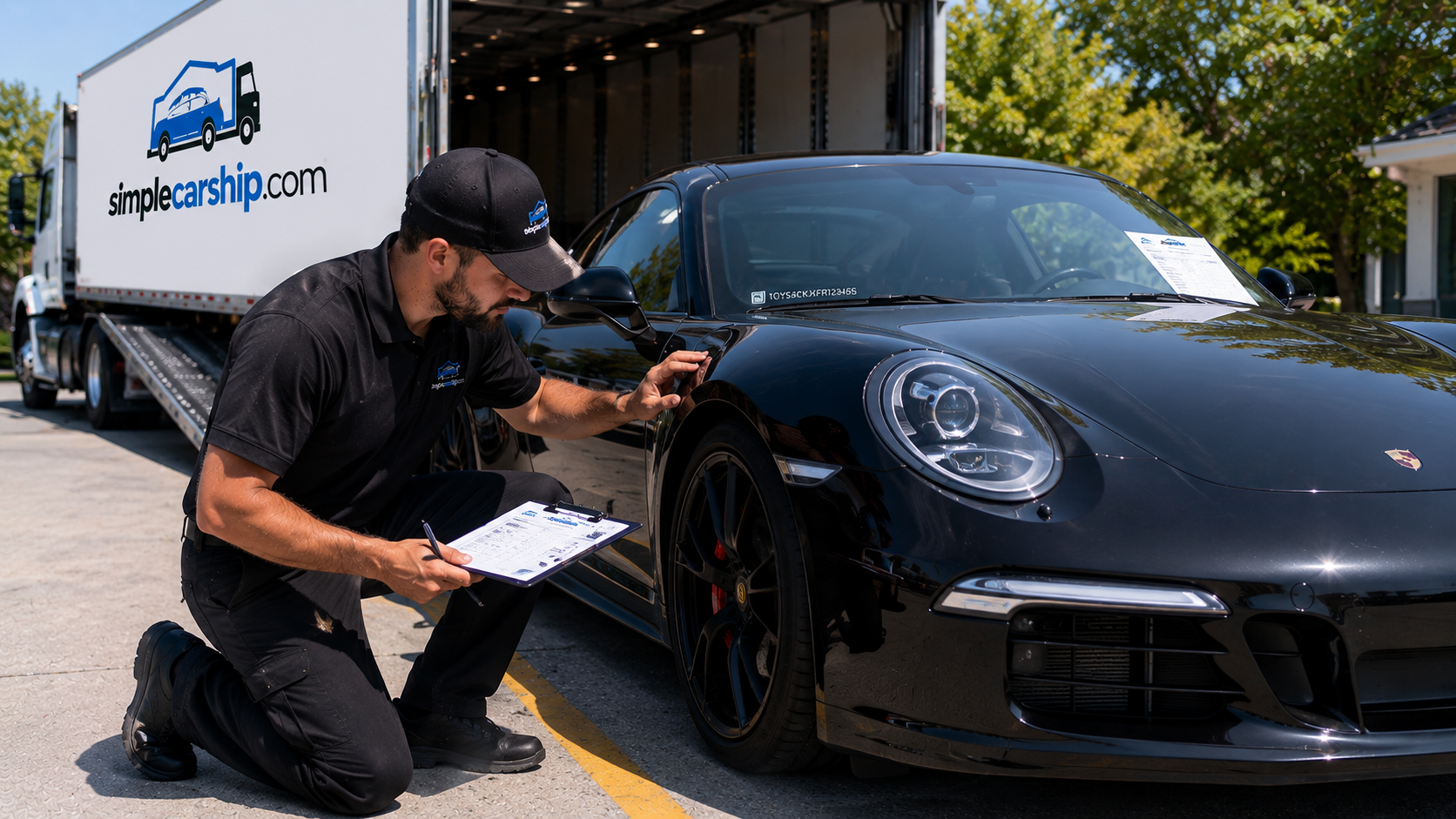
Open transport is how roughly 90 percent of coast-to-coast vehicles move, including new cars rolling off the lot in Norfolk and heading to dealerships in Portland. Your car rides exposed to weather and road dust, but it’s fully insured, and damage rates are statistically low. For a daily driver, commuter car, or standard SUV making the Virginia–Oregon trip, open is the practical, cost-effective choice. You’ll save $1,400 to $1,700 compared to enclosed, and transit time is often a day faster because open carriers run more frequent schedules on this route.
Enclosed makes sense for high-value, low-clearance, or collector vehicles. If you’re moving a restored classic, a European sports car, or a luxury sedan worth north of $70,000, the hard-sided trailer justifies the premium. Enclosed carriers also shield the vehicle from rock chips, rain, and sun across five to seven days of cross-country travel. Capacity is tighter—fewer enclosed trucks run the full Virginia–Oregon distance in a single leg—so book early if you have a firm delivery window.
How Pickup and Delivery Work in Virginia and Oregon
Most carriers serving this route prioritize metro clusters where volume and interstate access align. In Virginia, that means Richmond along I-95 and I-64, and Virginia Beach via I-64 to I-81. If you’re in Charlottesville, Roanoke, or the Shenandoah Valley, the truck will typically meet you at a nearby truck stop or major intersection rather than navigate narrow residential streets. In Oregon, Portland is the dominant hub—easy access via I-84 and I-5—and Eugene works well as a secondary stop along the I-5 corridor. Deliveries to Bend, the coast, or southern Oregon near the California border may require a local shuttle or slight upcharge.
Door-to-door service is standard, but “door” means the nearest point a 75-foot tractor-trailer can safely reach. Tight cul-de-sacs, low-hanging trees, and weight-restricted streets sometimes require you to meet the driver a few blocks away. Communicate your address constraints up front, and the dispatcher will flag it before the truck rolls. Your shipment isn’t a load number—real human coordination prevents surprises on delivery day.
Transit Time and What to Expect on the Road
Expect five to seven days in transit for the Virginia–to–Oregon run. The carrier’s route depends on load configuration, but the most common path follows I-81 south to I-40 west through Tennessee and Oklahoma, then I-40 or I-70 across the Rockies, connecting to I-84 into Oregon. Weather rarely disrupts this timeline—mountain passes on I-84 through the Columbia River Gorge can see winter chain requirements, but that’s the exception unless you’re shipping in January or February. Most of the year, the window holds steady.
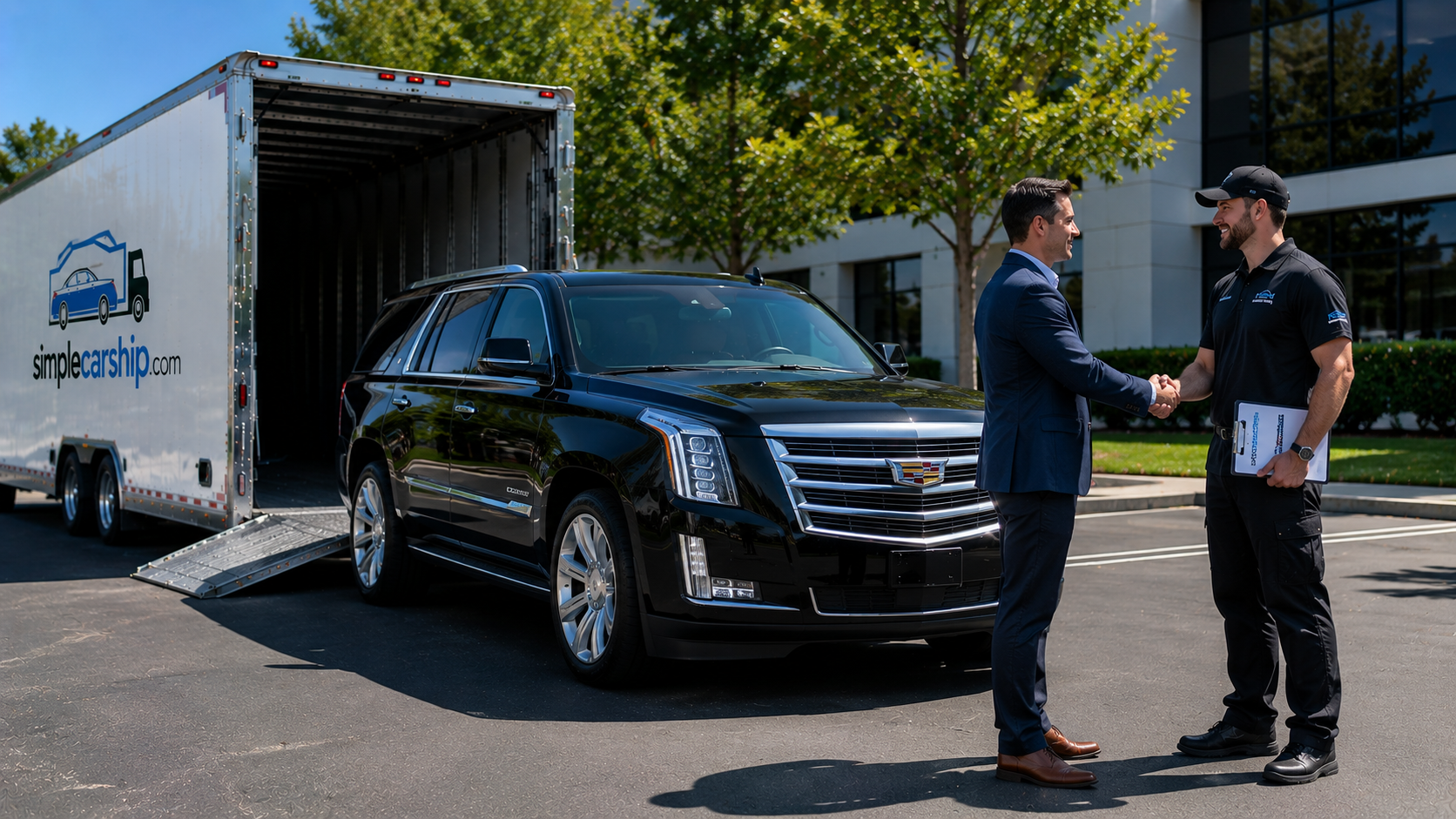
You’ll get a pickup appointment within a one-to-three-day range when you book, and the driver calls an hour or two ahead to confirm the exact time. At delivery, the same advance notice applies. Inspect your car before signing the Bill of Lading—check for any new door dings, undercarriage scrapes, or windshield chips and note them on the form immediately. Carriers carry cargo insurance with minimum $1,000,000 coverage, and claims require documentation at the time of handoff.
How Simple Car Ship Handles the Virginia–Oregon Corridor
We don’t post your car on a load board and hope for the best. Every carrier we assign to the Virginia–Oregon route is hand-selected, fully insured, and actively monitored for safety scores and customer feedback. You’ll get a dedicated coordinator who knows your pickup city, your delivery timeline, and your vehicle’s specifics before the booking confirms. When the truck is dispatched, you receive the driver’s name, truck number, and direct contact line—no phone-tree runaround if your plans change or you need a delivery update mid-route.
We price honestly. The quote you see reflects real market rates for this distance, current fuel surcharges, and carrier availability—not an algorithmic lowball designed to upsell you later. If the driver encounters an access issue in Virginia Beach or a delivery constraint in Eugene, your coordinator troubleshoots it in real time rather than leaving you and the driver to sort it out. Clear quotes, real communication, and accountability from pickup to delivery. That’s how we run every shipment on this route.
| Feature | Open Transport | Enclosed Transport |
|---|---|---|
| Price Range (VA–OR) | $2,315 – $2,815 | $3,700 – $4,505 |
| Transit Time | 5–7 days | 5–7 days |
| Protection Level | Insured; exposed to weather | Insured; fully enclosed |
| Best For | Daily drivers, standard vehicles | Classics, luxury, high-value cars |
Ready to move your car from Virginia to Oregon without the runaround? Get a clear, honest quote in two minutes—no phone call required, no pressure, just the real number for your vehicle and timeline.
Frequently Asked Questions: Virginia to Oregon Car Shipping
How much does it cost to ship a car from Virginia to Oregon?
Open transport typically runs $2,315 to $2,815 for the 2,868-mile route, while enclosed transport costs $3,700 to $4,505. Final price depends on your exact pickup and delivery locations, vehicle size, current fuel costs, and whether the car is operable. Expedited service is available at approximately $3,771.
How long does it take to ship a car from Virginia to Oregon?
Transit takes five to seven days once your car is loaded. The timeline includes cross-country travel via I-40 or I-70 and I-84 into Oregon. Winter weather in the Rockies or Columbia Gorge can occasionally add a day, but the window holds steady most of the year.
Should I use open or enclosed transport for this route?
Open transport works well for daily drivers and standard vehicles, saving $1,400 to $1,700 compared to enclosed. Choose enclosed if you’re shipping a classic, luxury, or high-value car that warrants protection from weather and road debris across nearly 3,000 miles of travel.
Can the carrier pick up in Virginia Beach and deliver to Eugene?
Yes. Virginia Beach via I-64 and Eugene along I-5 are both accessible for cross-country carriers. The driver will coordinate a pickup appointment in Virginia Beach and deliver to Eugene within the five-to-seven-day window, with advance notice before each stop.
What if my car doesn’t run?
Inoperable vehicles require a winch to load and unload, which adds $150 to $300 to the quote. Let the coordinator know up front—cars that don’t start, roll, or brake need the bottom deck and special handling, so accurate disclosure prevents delays on pickup day.