How Much Does It Cost to Ship a Car from Pennsylvania to Connecticut?
Shipping a car from Pennsylvania to Connecticut typically costs between $380 and $465 for open transport, or $610 to $740 for enclosed transport. The 210-mile route between these neighboring Northeast states is one of the shorter interstate hauls, but your final price depends on your pickup and delivery cities, the type of vehicle you’re moving, the carrier method you choose, and how quickly you need it done. If you need expedited service, expect to pay around $621 for express open transport.
Because this is a compact, high-traffic corridor connecting major metros like Philadelphia and Pittsburgh to Hartford and Stamford, carriers run it frequently—which helps keep costs competitive and transit times short. Here’s everything that affects what you’ll actually pay, how long it takes, and how to ship your car the simple way.
Get your instant car shipping price
Real quote in seconds — no spam, no runaround.
What Moves the Price on the Pennsylvania–Connecticut Route
Even though the baseline range is $380–$465 for open transport, several factors push your quote toward the higher or lower end. Vehicle size and weight matter first: a compact sedan sits at the lower end, while a full-size SUV or pickup adds $40–$80 because it occupies more carrier deck space and adds weight. Pickup and delivery locations also play a major role. If you’re shipping from Philadelphia to Stamford—both near I-95—you’ll pay less than a rural pickup in central Pennsylvania or a small-town Connecticut delivery, because carriers prefer routes that keep them on major highways and close to their next load.
Transport method is the biggest single variable. Open transport ($380–$465) means your car rides on an open multi-car carrier, exposed to weather but perfectly safe for daily drivers. Enclosed transport ($610–$740) puts your vehicle inside a covered trailer, shielding it from road spray, weather, and prying eyes—worth the premium for luxury cars, classics, or low-clearance sports cars. Timing flexibility affects price too: if you can wait a few days for a carrier with available space heading that direction, you’ll pay standard rates. Need it picked up tomorrow? Express service runs around $621 for open transport, roughly 60% more than the standard range, because the carrier prioritizes your car and may deadhead miles to grab it.
Open vs. Enclosed Transport: Which Makes Sense for a 210-Mile Haul
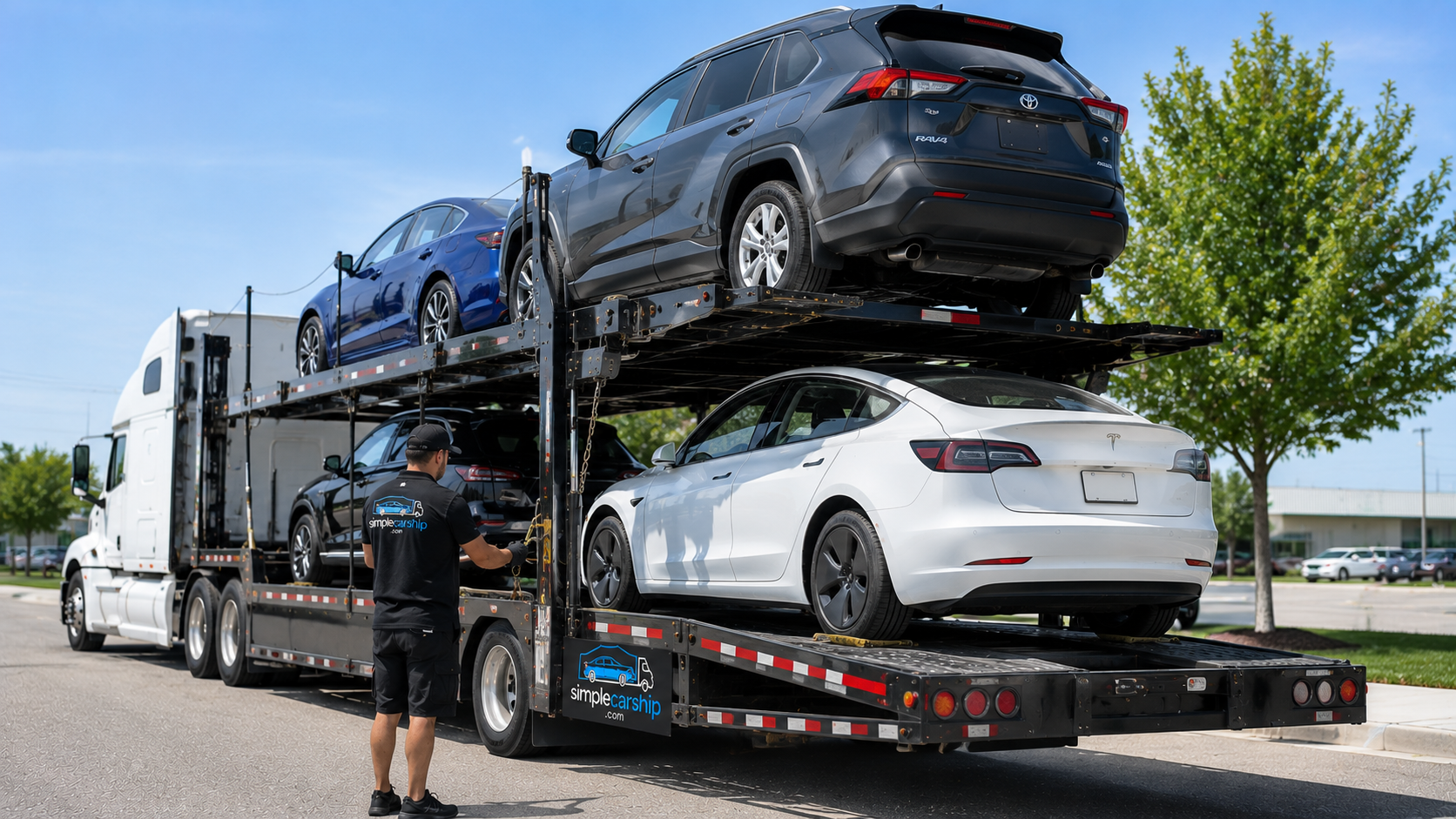
On a short route like Pennsylvania to Connecticut, most customers choose open transport. The 210-mile distance means one to three days in transit—minimal exposure time—and open carriers run this corridor constantly, so availability is high and prices stay competitive. Open transport is the practical choice for daily drivers, commuter cars, and anything you’d park outside in a grocery-store lot. Your car arrives in the same condition it left, and you pocket the $230–$275 difference between open and enclosed rates.
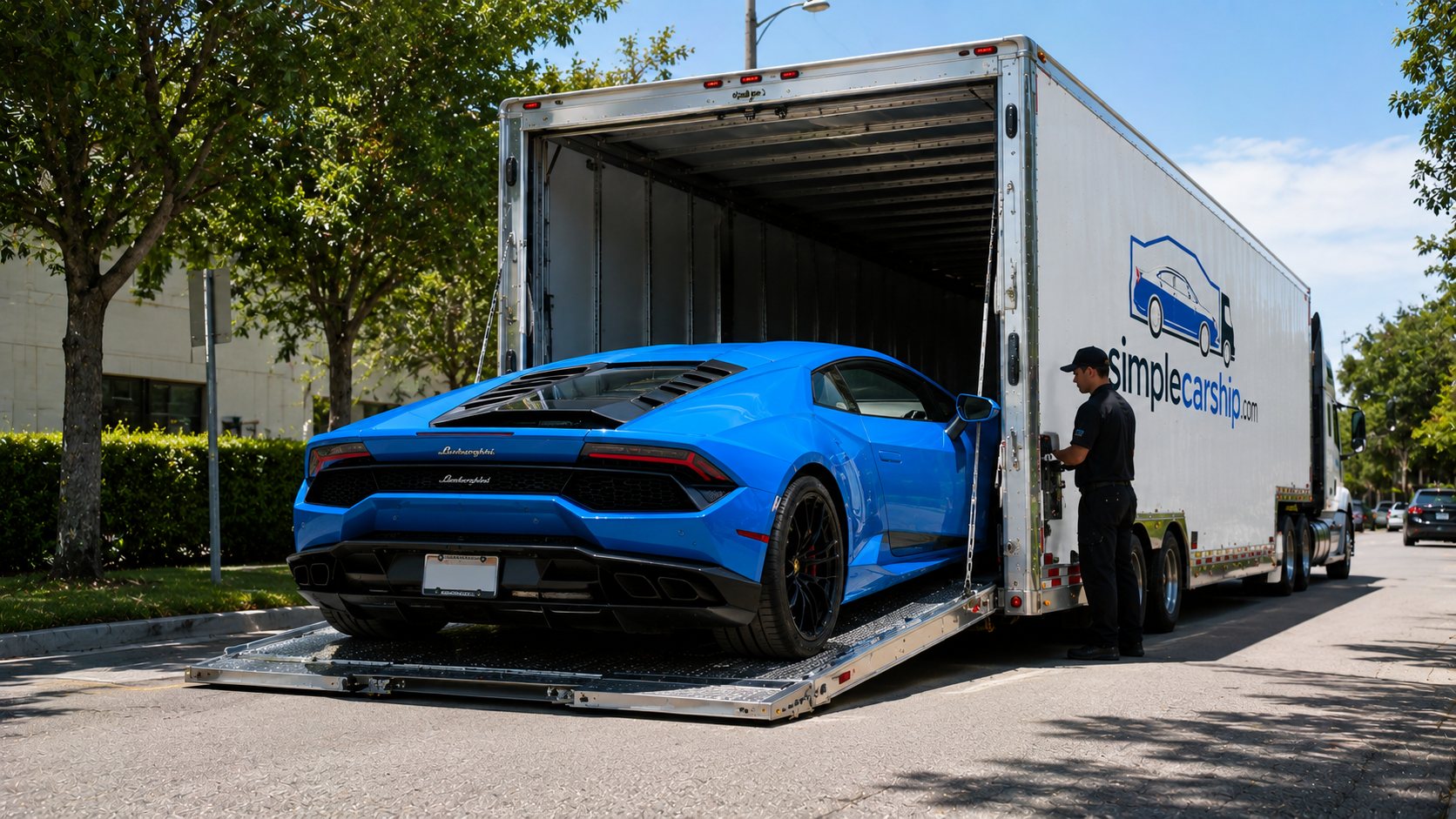
Enclosed transport makes sense in three scenarios on this route: you’re moving a high-value vehicle (luxury sedan, exotic, or six-figure collectible), you’re shipping a classic or restored car where even minor road grime matters, or you’re transporting a low-clearance sports car that might scrape on an open carrier’s ramps. Enclosed trailers carry fewer vehicles—typically two to seven instead of eight to ten—so they cost more and sometimes take an extra day to schedule. But for a 1967 Mustang or a new Porsche 911, the $610–$740 range buys peace of mind and concierge-level care. If you’re moving a daily-driven Honda Accord or Toyota RAV4, save the money and go open.
| Feature | Open Transport | Enclosed Transport |
|---|---|---|
| Price Range | $380–$465 | $610–$740 |
| Transit Time | 1–3 days | 1–3 days |
| Best For | Daily drivers, commuter cars, standard SUVs | Luxury, classic, exotic, low-clearance sports cars |
| Protection | Safe and secure; exposed to weather | Fully enclosed; shielded from weather and road debris |
How the Pennsylvania to Connecticut Route Actually Works
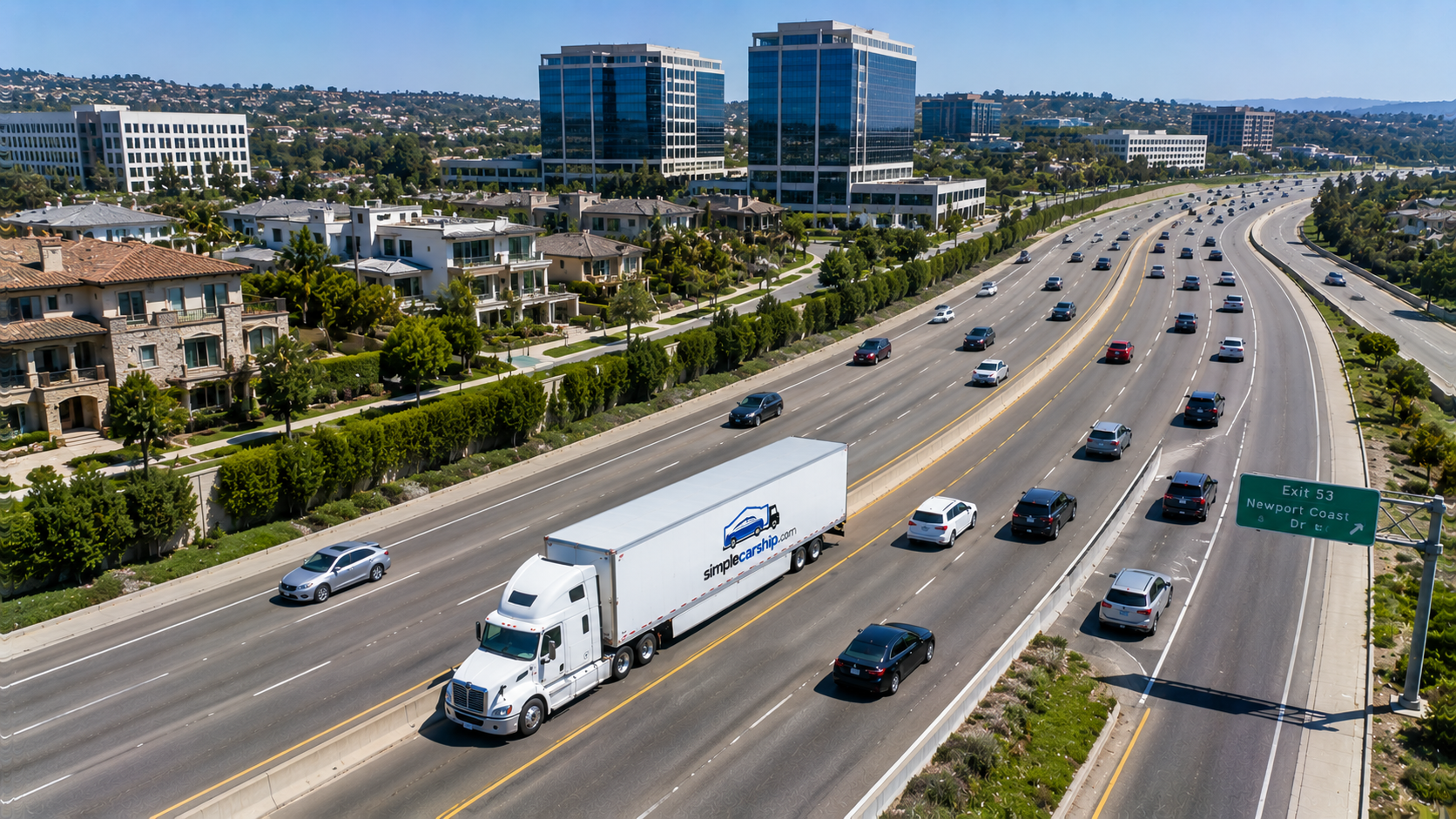
The 210-mile distance between Pennsylvania and Connecticut is covered in one to three days, depending on where exactly you’re shipping and carrier schedules. If you’re moving from Philadelphia to Stamford—a straight shot up I-95—many carriers complete the run in a single day, especially if your car is the only delivery or part of a small batch heading to the New York metro area. Pickups from Pittsburgh to Hartford take the full three days because the carrier typically runs I-76 east to the Philly area, then I-95 north through New Jersey and into Connecticut, often making one or two other stops along the way.
Here’s the process: you request a quote, lock in your price, and choose your transport method. A carrier is assigned and contacts you 24 to 48 hours before pickup to confirm the window—usually a four-hour range. The driver inspects your car with you, notes any existing damage on a Bill of Lading (you both sign it), then loads and secures the vehicle. During transit, your car is covered by the carrier’s cargo insurance, which is mandatory and typically ranges from $100,000 to $1,000,000 per load. When the driver arrives in Connecticut, you inspect the car together, confirm it matches the Bill of Lading, and sign off. If you’re shipping to a dense area like Hartford or Stamford, the truck can usually deliver right to your address. Rural or narrow-street locations may require meeting the carrier at a nearby parking lot—eighteen-wheelers can’t navigate every cul-de-sac.
Pickup and Delivery Logistics in Pennsylvania and Connecticut
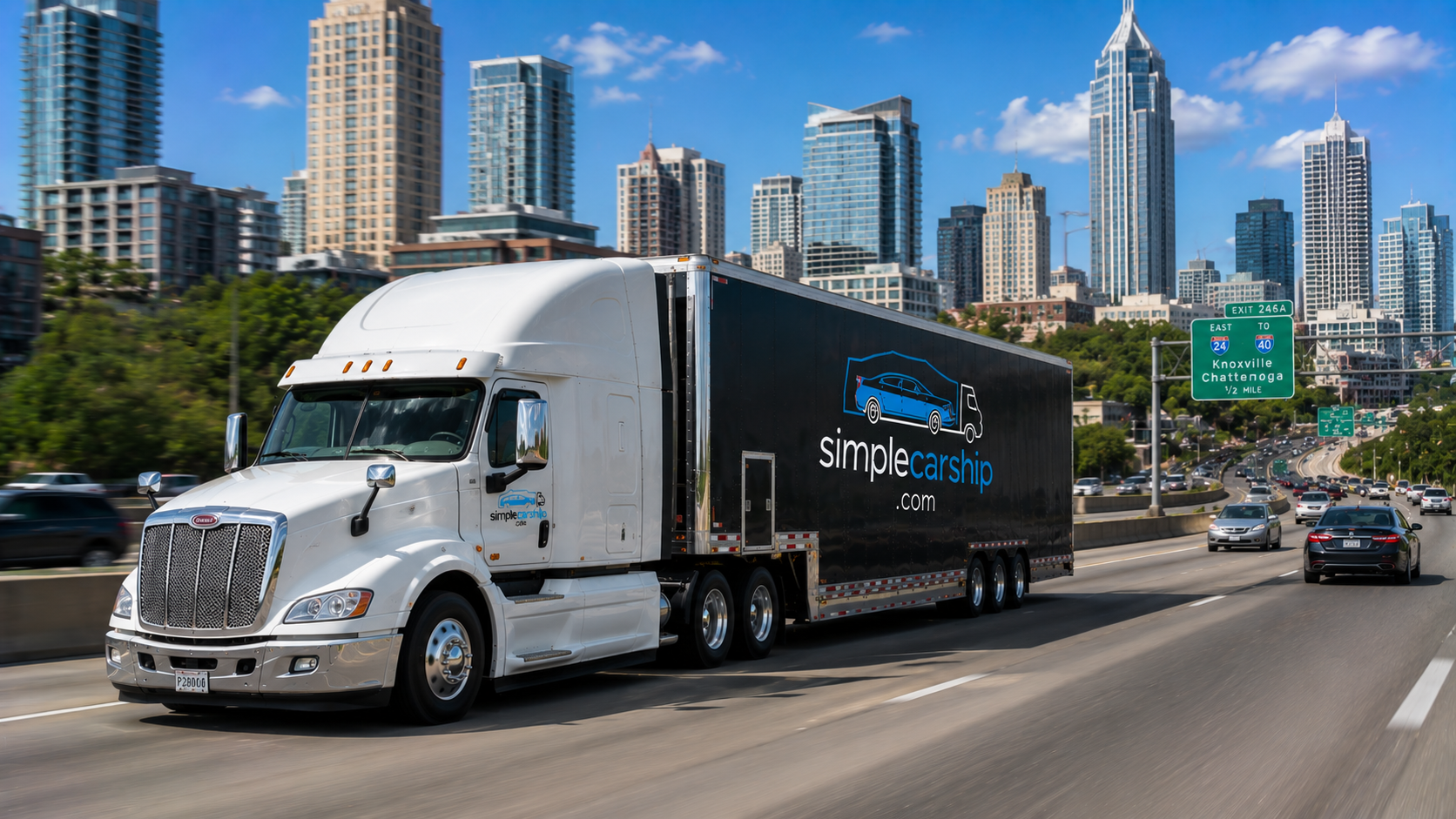
In Pennsylvania, the most common pickup metros are Philadelphia and Pittsburgh. Philadelphia sits on I-95, the East Coast’s primary north–south artery, making it a major carrier hub with daily runs to Connecticut. Pittsburgh, in the state’s west, connects via I-76 (the Pennsylvania Turnpike) eastward; carriers heading to New England often consolidate loads in the Philly area before continuing north. If you’re outside these metros—say, State College, Allentown, or Erie—expect the carrier to add a small surcharge or schedule an extra day for the detour. Terminal-to-terminal service (you drop the car at a carrier yard) can shave $50–$75 off the quote, but door-to-door is standard and more convenient.
In Connecticut, Hartford and Stamford are the primary delivery zones. Stamford sits right on I-95 in Fairfield County, minutes from the New York border, so it’s an easy stop for carriers running the Northeast corridor. Hartford, the state capital, is inland via I-91 and I-84, adding a slight detour for carriers but still well-served due to the city’s size. Smaller towns—Mystic, Litchfield, Torrington—are reachable but may require meeting the truck at a nearby highway exit or shopping-center lot if residential streets are too tight. Connecticut’s winding roads and older neighborhoods sometimes limit where a 75-foot car carrier can maneuver, so confirm accessibility when you book.
How Simple Car Ship Handles This Route
We built Simple Car Ship because the car-shipping industry runs on runarounds, voicemails, and “someone will call you back.” We don’t operate that way. When you request a quote for Pennsylvania to Connecticut, you get a clear price breakdown—open, enclosed, and express options, with real numbers, not placeholder ranges. Once you book, you’re assigned a dedicated coordinator who answers when you call, texts you updates, and stays with your shipment from pickup to delivery. Your car isn’t a load number shuffled between dispatch desks; it’s your vehicle, and we treat it that way.
We work with a hand-selected network of licensed, insured carriers who run the Pennsylvania–Connecticut corridor regularly. Every carrier is vetted for safety scores, insurance compliance, and customer feedback. You’ll receive the driver’s contact info before pickup so you can coordinate directly—no telephone-tree nonsense. Because this is a short, high-demand route, we can usually assign a carrier within 24 to 72 hours of booking, and transit is quick: one to three days, often on the shorter end if you’re moving between major metros. Real human support. Clear quotes. No guesswork, no runaround. Get your quote now and ship your car the simple way.
Frequently Asked Questions: Shipping a Car from Pennsylvania to Connecticut
- How much does it cost to ship a car from Pennsylvania to Connecticut?
- Open transport typically costs $380 to $465, while enclosed transport runs $610 to $740. The final price depends on your vehicle size, exact pickup and delivery cities, and how quickly you need the car moved. Express open service costs around $621 for expedited pickup and delivery within one to two days.
- How long does it take to ship a car 210 miles from Pennsylvania to Connecticut?
- Transit takes one to three days. Philadelphia to Stamford or other I-95 corridor routes often complete in one day, while Pittsburgh to Hartford or rural pickups and deliveries take the full three days because carriers make multiple stops and cover less-direct highway routes through the region.
- Should I choose open or enclosed transport for this short route?
- Most customers choose open transport for the Pennsylvania–Connecticut run because the 210-mile distance means minimal transit time and exposure. Enclosed transport makes sense if you’re moving a luxury, classic, or exotic vehicle where even minor road spray or dust matters, but for daily drivers, open is safe and cost-effective.
- Can a car carrier deliver directly to my address in Connecticut?
- In cities like Hartford and Stamford, yes—most residential streets accommodate car carriers. In rural areas or neighborhoods with narrow roads, tight turns, or low-hanging trees, the driver may ask you to meet at a nearby parking lot or highway exit. Confirm your address accessibility when you book to avoid last-minute surprises.
- What affects the price besides distance on the Pennsylvania to Connecticut route?
- Vehicle size and weight are the biggest factors: SUVs and trucks cost $40–$80 more than sedans. Pickup and delivery locations matter too—shipping from Philadelphia to Stamford on I-95 costs less than rural towns requiring detours. Transport method (open vs. enclosed) and timing (standard vs. express) also shift the price significantly within the quoted ranges.