How Long Does It Take to Ship a Car from Washington to New Jersey?
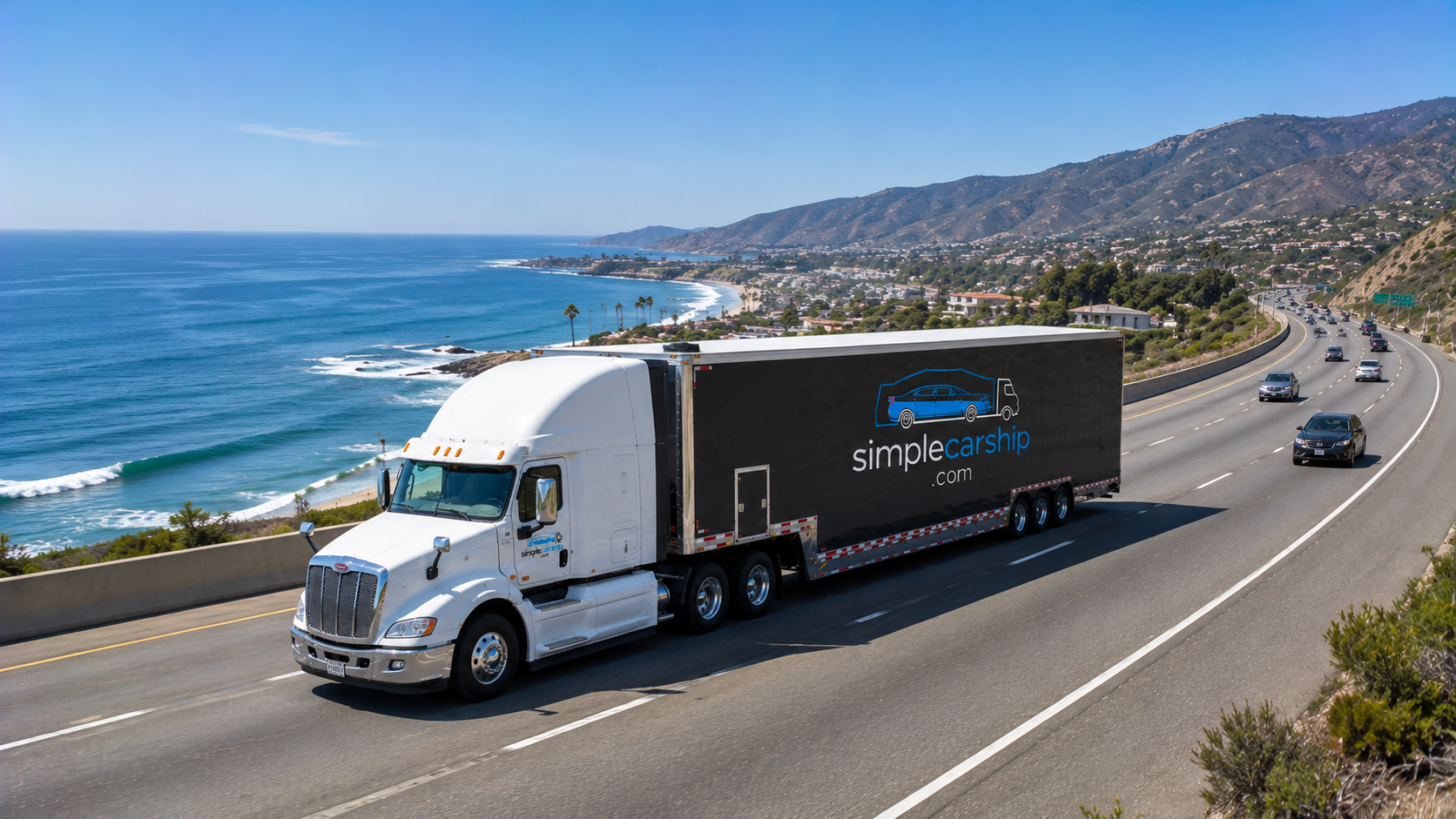
Shipping a car across 2,834 miles from Washington to New Jersey typically takes 5–7 days once a carrier picks up your vehicle. That timeline covers the cross-country haul from the Pacific Northwest to the mid-Atlantic, including mandatory driver rest breaks and route logistics. Most customers see their car arrive within that window when they book during normal shipping seasons.
Understanding the day-by-day process helps you plan pickup, arrange travel, and know exactly when to expect delivery on the East Coast. Here’s how the timeline breaks down and what affects it.
Get your instant car shipping price
Real quote in seconds — no spam, no runaround.
The Day-by-Day Timeline from Pickup to Delivery
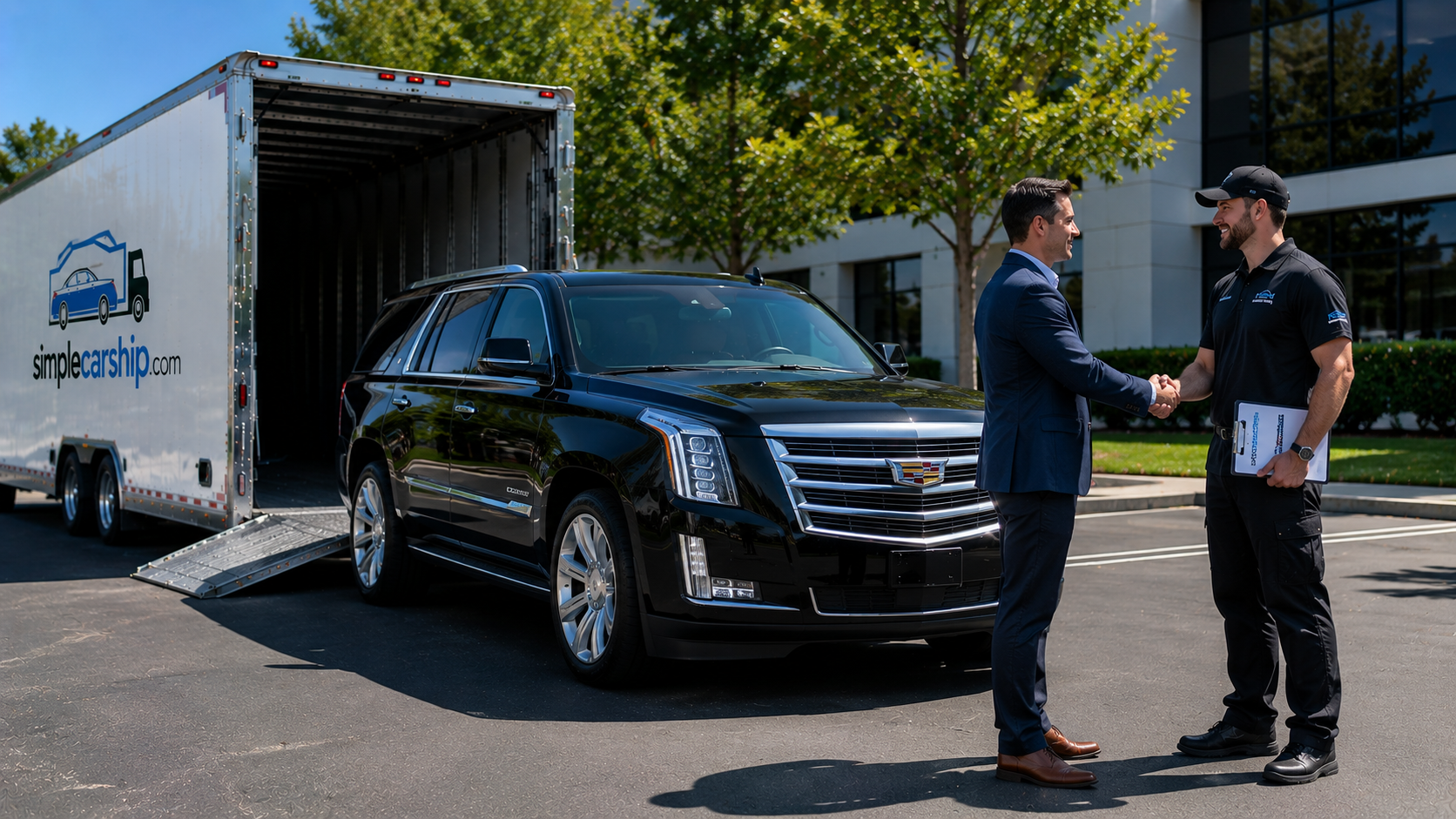
When you book Washington-to-New Jersey transport, the clock starts with carrier dispatch—usually 1–3 business days from your order, depending on current truck availability along the I-90 corridor. Seattle and Tacoma see frequent carrier traffic heading east, so pickup windows in those metros tend to book faster than rural areas. Once the driver arrives and completes the vehicle inspection (expect 10–15 minutes), your car is loaded and the transit clock officially begins.
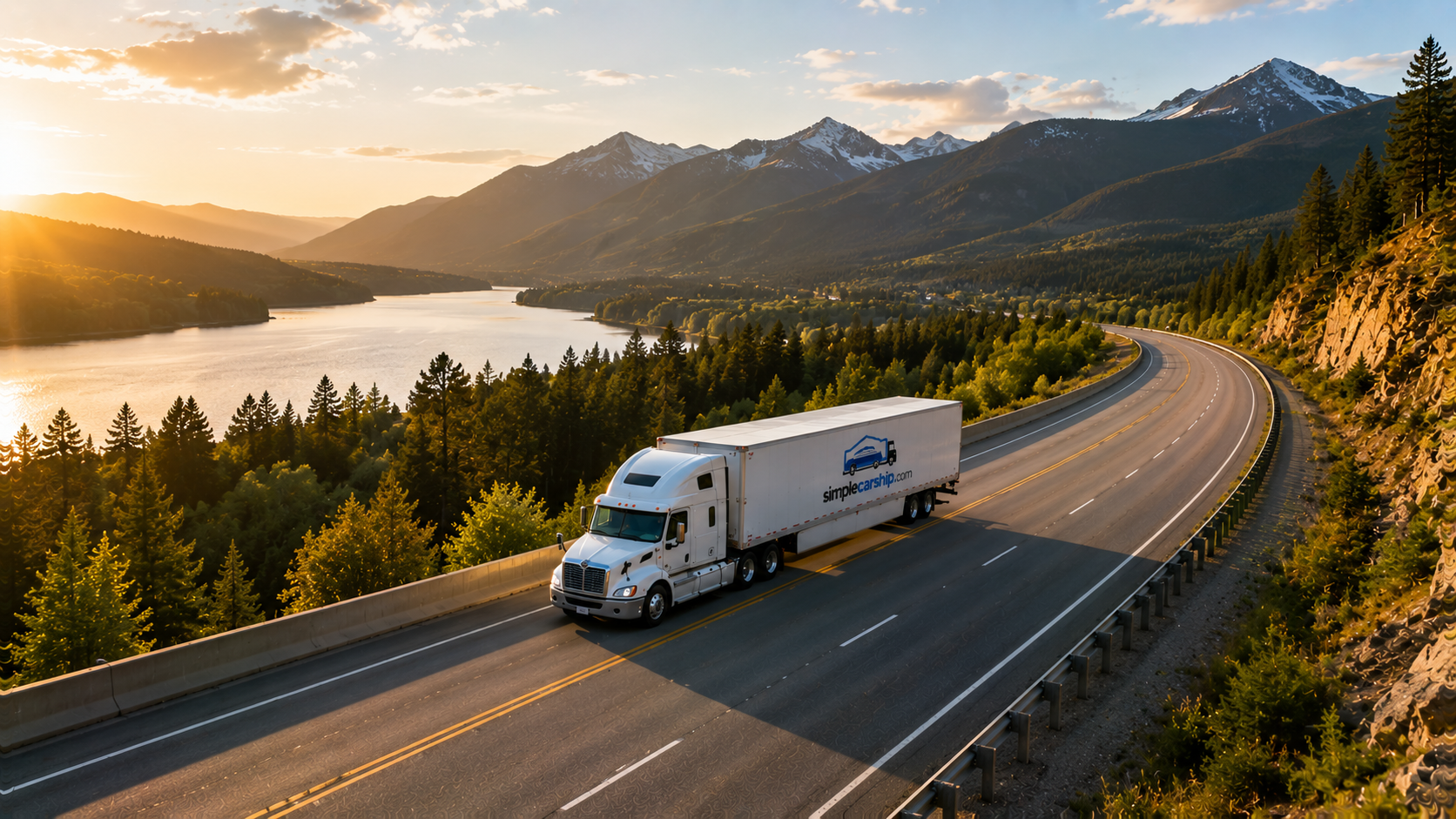
The 2,834-mile journey unfolds over 5–7 days. Carriers average 400–500 miles per day on cross-country runs, factoring in federally mandated 10-hour rest breaks, fuel stops, and occasional multi-vehicle pickups along the route. Your shipment crosses Montana, the Dakotas, Minnesota, Wisconsin, and Pennsylvania before reaching Newark or Jersey City. Weather in the mountain passes or heavy traffic around Chicago can add half a day, but most shipments land within the quoted window. Delivery typically happens during business hours; the driver will call 24 hours ahead to confirm the appointment.
What It Costs to Ship from Washington to New Jersey
Open-carrier transport for this route runs $1,945–$2,370, reflecting the long distance and competitive demand on the trans-continental lane. Enclosed transport—recommended for luxury, classic, or high-value vehicles—costs $3,110–$3,790. The gap reflects the specialized equipment, lower capacity (2–4 vehicles per trailer versus 7–9 on open carriers), and added insurance limits enclosed haulers carry.
Price variance within each range depends on your exact pickup and delivery locations, vehicle size, and booking lead time. A Tesla Model 3 from downtown Seattle to Jersey City will price toward the low end; a lifted F-250 from rural Spokane to a residential address in Princeton pushes higher due to routing and accessibility. Booking 7–10 days ahead usually secures better rates than last-minute dispatch. If you need guaranteed pickup within 48 hours, expedited service runs around $3,171 for open transport—roughly 60% above standard pricing.
Open vs. Enclosed Transport for the Cross-Country Haul
Most Washington-to-New Jersey shipments move on open carriers. The method is proven, cost-effective, and handles weather exposure well—your car faces the same road conditions it would experience during a personal drive, just without the mileage. Rain, road dust, and occasional bugs are cosmetic and wash off. For daily drivers, commuter vehicles, and even many newer sedans and SUVs, open transport makes practical sense at nearly half the cost of enclosed.
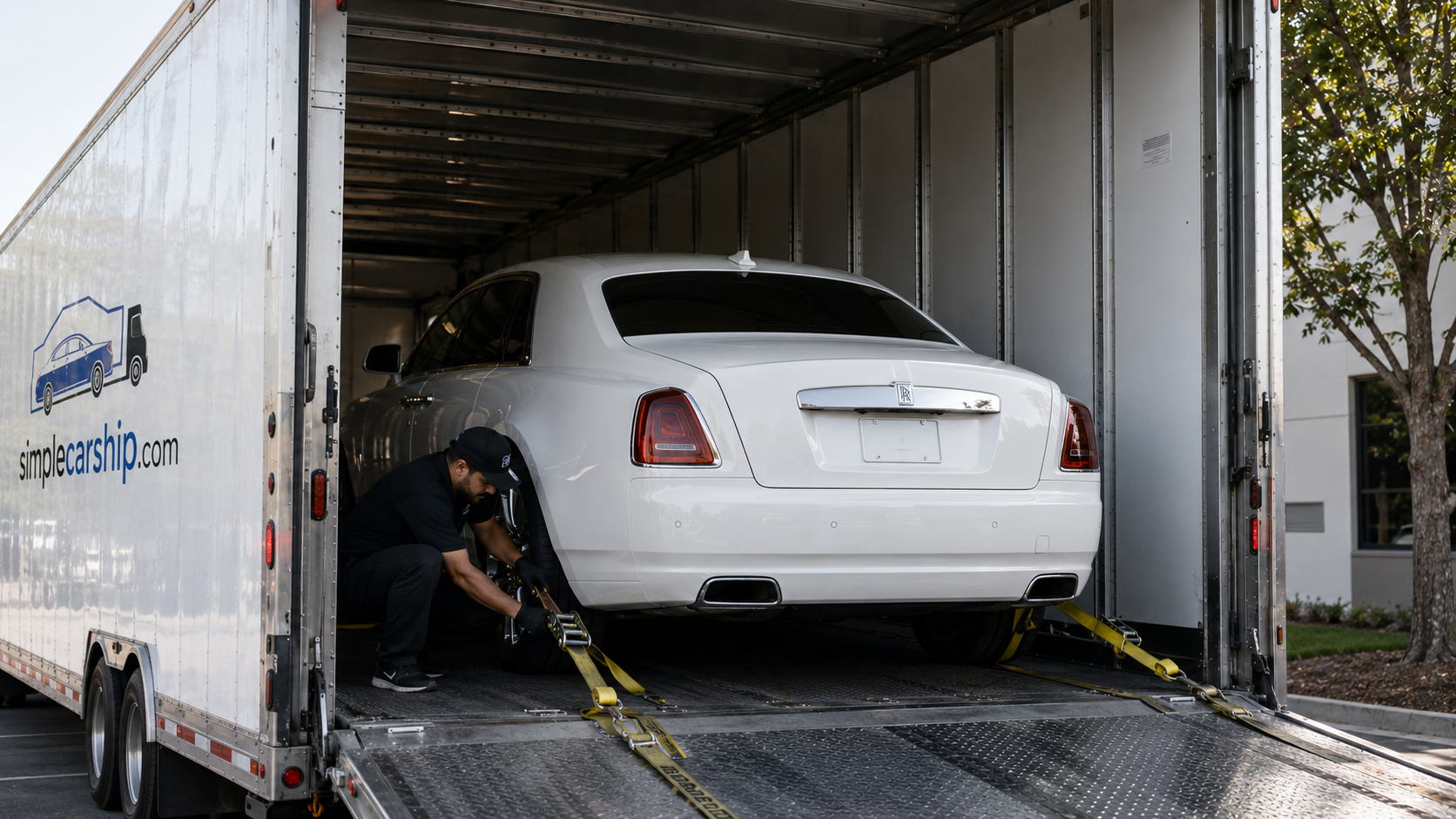
Enclosed makes sense when the stakes justify the premium: classic cars heading to collectors in Princeton, six-figure sports cars, freshly restored vehicles, or anything with custom paint that can’t risk rock chips on I-90. The fully enclosed trailer shields your car from all weather and road debris across five states. It’s not about doubting the carrier’s care—it’s about physics and peace of mind over 2,834 miles.
| Feature | Open Carrier | Enclosed Carrier |
|---|---|---|
| Price Range | $1,945–$2,370 | $3,110–$3,790 |
| Transit Time | 5–7 days | 5–7 days |
| Weather Protection | Exposed (rain, dust) | Fully enclosed |
| Best For | Daily drivers, SUVs, trucks | Classics, luxury, high-value |
Pickup in Washington and Delivery in New Jersey
Seattle and Tacoma anchor the Washington pickup zone, where carrier frequency is highest and scheduling easiest. These metros sit on major truck routes, so dispatch windows are often 1–2 days. If you’re outside the I-5 corridor—Spokane, Bellingham, Olympia—allow an extra day for routing and potentially a small surcharge for the detour. Most carriers offer terminal pickup at their yard if you prefer to drop the car yourself, which can shave $50–$75 off door-to-door pricing.
On the New Jersey side, Newark and Jersey City handle the bulk of inbound West Coast shipments. Proximity to I-95 and the New Jersey Turnpike makes final-mile delivery straightforward. If your address is in suburban or residential areas with narrow streets, the driver may ask you to meet at a nearby parking lot—a fully loaded car carrier is 75 feet long and can’t navigate tight cul-de-sacs. Delivery is by appointment; expect a call the day before with a 2–4 hour arrival window.
How Simple Car Ship Handles Your Washington-to-New Jersey Shipment
We match your car with hand-selected carriers who run the Washington-New Jersey lane regularly and carry full insurance ($1,000,000 cargo minimum). You’ll get a clear quote—open or enclosed, with the real transit range and any accessorial fees spelled out up front. No surprise charges at delivery, no bait-and-switch pricing. Once you book, you’re assigned a coordinator who tracks your shipment from dispatch through delivery and answers calls during the process. Your shipment isn’t a load number in a broker queue; it’s a single cross-country move we monitor from pickup to final handoff.
We don’t control weather in the Rockies or traffic in Chicago, but we do control communication. If your carrier is delayed, you’ll know why and get a revised ETA the same day. If your delivery window shifts, we call you before the driver does. Ship your car the simple way: request your Washington-to-New Jersey quote here and get real numbers, real transit days, and a real person managing the move.
Frequently Asked Questions: Shipping a Car from Washington to New Jersey
Can I ship my car faster than the standard 5–7 days?
Yes, expedited service guarantees pickup within 24–48 hours and prioritizes your vehicle for direct routing, often cutting transit to 4–5 days for the 2,834-mile Washington-to-New Jersey run. Pricing starts around $3,171 for open transport—roughly 60 percent above standard rates—because the carrier forgoes multi-stop efficiency to move your car quickly.
What causes delays on the Washington-to-New Jersey route?
Winter weather in Montana and the Dakotas, construction along I-90, and congestion around Chicago are the most common delay triggers. Carriers must comply with federal hours-of-service rules, which cap daily driving at ten hours, so any slowdown ripples through the schedule. Most delays add 12–24 hours, not days, and your coordinator will update you immediately when they occur.
Is my car insured during the 2,834-mile trip?
Every carrier we work with carries at least $1,000,000 in cargo insurance, which covers your vehicle from the moment it’s loaded in Washington until it’s unloaded in New Jersey. You’ll receive a copy of the carrier’s insurance certificate and bill of lading at pickup. Damage claims are rare on this route, but full documentation ensures quick resolution if anything occurs.
Should I choose open or enclosed transport for a Tesla from Seattle to Newark?
Open transport works well for most Teslas—they’re built to handle weather, and the $1,945–$2,370 cost is hard to beat. If your Model S or Model X is new or you want zero road-debris risk across five states, enclosed transport at $3,110–$3,790 eliminates exposure entirely. Both options offer the same 5–7 day transit and full insurance coverage.
How much notice do I need to book Washington-to-New Jersey car shipping?
Seven to ten days lead time secures the best rates and widest carrier selection for this 2,834-mile route. Seattle and Tacoma see daily eastbound trucks, so last-minute bookings are possible—often within 2–3 days—but expect tighter windows and pricing 15–20 percent higher. For peak summer moves or enclosed transport, two weeks’ notice is ideal.