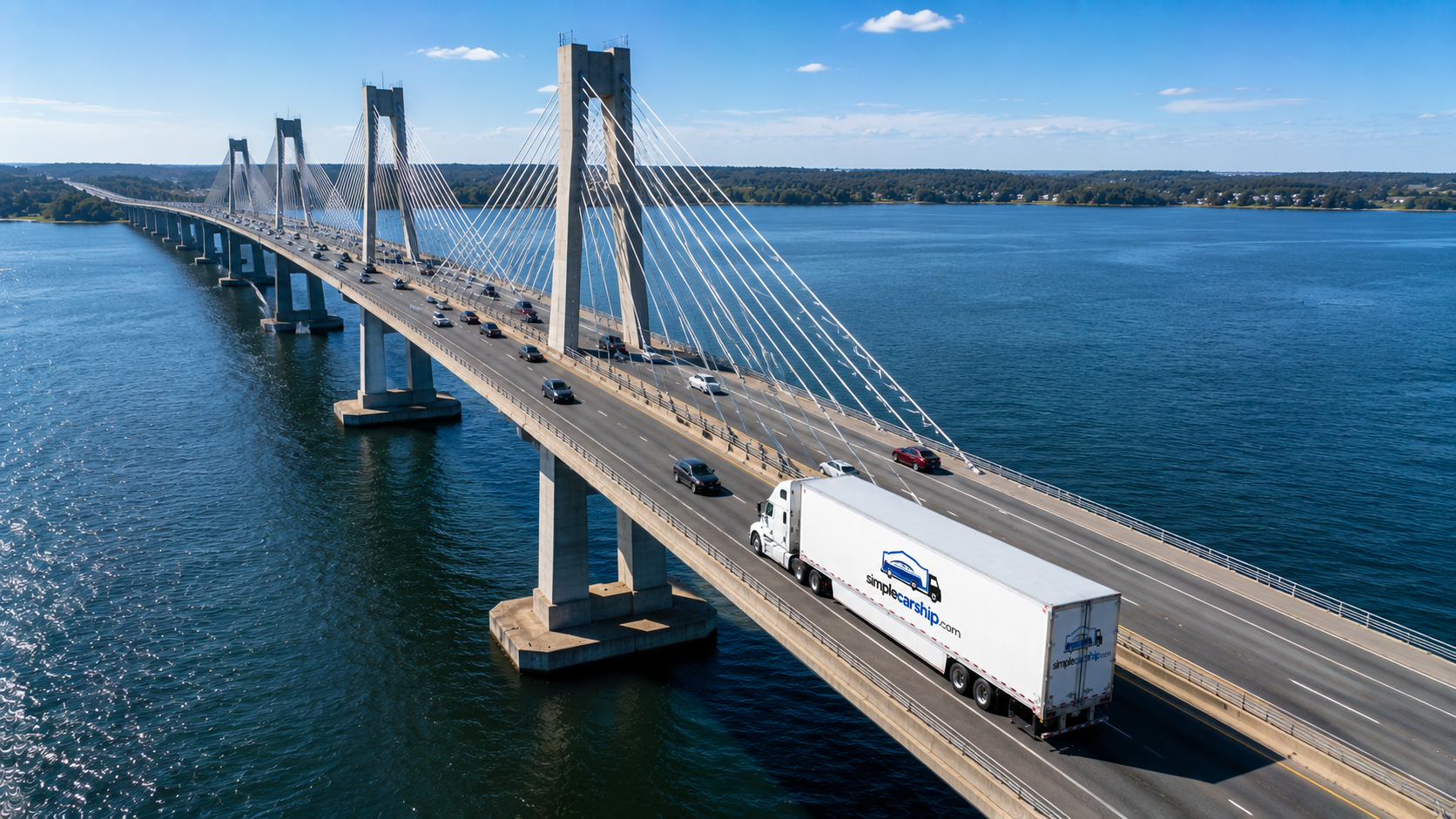
How Long Does It Take to Ship a Car from Colorado to Pennsylvania?
Shipping a car from Colorado to Pennsylvania typically takes 3–5 days in transit once your vehicle is picked up. The entire process—from booking to delivery—spans about 5–9 days, depending on carrier availability and your pickup flexibility. Across 1,746 miles of highway connecting the Rockies to the Keystone State, your car will move through multiple time zones and climate regions, handled by professional auto carriers running one of the busiest cross-country corridors in the U.S.
Ship your car the simple way. Clear quotes. Real communication. No guesswork, no runaround.
Get your instant car shipping price
Real quote in seconds — no spam, no runaround.
The Timeline: What Happens Day by Day
Once you book, carriers typically arrive for pickup within 1–4 days, sometimes sooner if you’re flexible with a date range. Denver and Colorado Springs are major hubs with high carrier traffic, so pickup windows trend toward the faster end. The driver performs a joint inspection with you, documents the vehicle’s condition on a Bill of Lading, loads it onto the trailer, and begins the eastbound journey. Transit itself—the actual road time—runs 3 to 5 days for the 1,746-mile run. Drivers must follow federal Hours of Service rules (11 hours driving per day maximum, mandatory rest breaks), so even non-stop routes require layered driver shifts or planned overnight stops.
Delivery scheduling begins 24–48 hours out. The carrier calls to arrange a window, you meet at your Pennsylvania address or a nearby accessible spot, and you inspect the car together before signing off. Total elapsed time from your first call to keys-in-hand typically lands between 5 and 9 days. If you need faster, expedited service can compress pickup to 24–48 hours and prioritize your car for direct routing, hitting the 3-day transit floor more reliably—but that comes at a premium ($2,186 for express open transport on this route).
What Affects Speed on the Colorado–Pennsylvania Route
Season plays a smaller role here than on Sun Belt snowbird corridors, but winter weather through the Rockies and across the Midwest can add 1–2 days if carriers reroute around storms or chain-law closures on I-70. Summer and early fall offer the most predictable schedules. Carrier type matters, too: open trailers are more common, so they dispatch more frequently; enclosed carriers run fewer trucks and may wait an extra day or two to fill a multi-car load. Your flexibility is the biggest lever—drivers prioritize loads with wide pickup windows because they can integrate your car into an efficient multi-stop route. A “must pick up Tuesday only” request can push your spot to a later truck.
Metro versus rural also shifts timing. Denver and Colorado Springs sit on I-25, a main artery feeding eastbound I-70 and I-76; carriers pass through daily. Philadelphia and Pittsburgh anchor I-76 and I-80 on the destination end, equally accessible. If you’re outside these metros—say, Aspen or Erie, PA—expect an extra day for the carrier to detour or arrange a nearby meet point.
Cost and How It Relates to Speed
Standard open transport from Colorado to Pennsylvania runs $1,340–$1,630, with the 3–5 day transit timeline and a 1–4 day pickup window. Enclosed transport costs $2,145–$2,610 and typically mirrors the same transit days but may add a day to pickup due to fewer available trailers. Express service—guaranteed pickup within 24–48 hours and priority routing—pushes the open price to $2,186. You’re paying for the carrier to move your car ahead of lower-priority loads and, often, to assign a driver who can run the route more directly without intermediate stops.
Price and speed are inversely linked to flexibility. A firm “I need it there by Friday” costs more because the carrier sacrifices route efficiency to meet your deadline. A “sometime next week is fine” approach lets them optimize, lowering your cost and often *not* extending your delivery date—you just gave them room to plan. Seasonality has minimal impact here compared to Florida or Arizona routes; Colorado–Pennsylvania pricing stays relatively stable year-round, with modest winter premiums (5–10%) if mountain passes require chain laws or detours.
Open vs. Enclosed: Does Carrier Type Change the Timeline?
Transit days stay consistent—both open and enclosed carriers cover 1,746 miles under the same federal Hours of Service limits. The difference surfaces at pickup. Open auto transport dominates the market (roughly 85% of all shipments), so open trailers dispatch more often. If you book on a Monday, an open carrier might pick up Wednesday; an enclosed trailer serving the same route may only run twice a week, pushing pickup to Friday. Once rolling, both reach Pennsylvania in the same 3–5 day window.
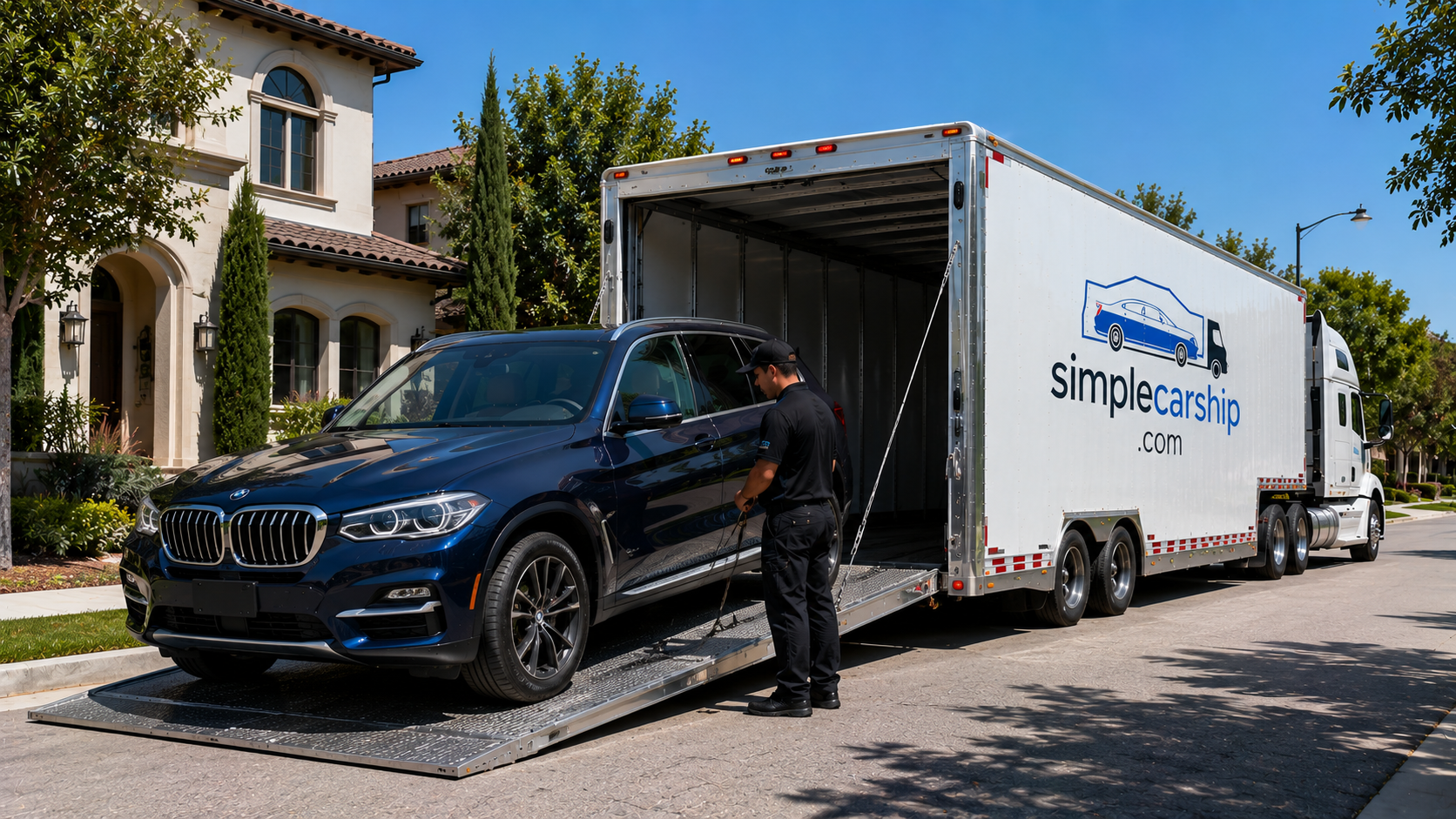
Choose open if timeline and cost matter most and your car is a daily driver or modern vehicle that doesn’t require climate isolation. Enclosed makes sense for high-value, classic, or low-clearance cars where the extra $800–$1,000 buys weather protection and typically single-level loading—but accept that pickup might lag by a day. For this route, the altitude and temperature swings between the Rockies and the Appalachians don’t create the same weatherproofing urgency as, say, a coastal summer salt-air run, so most shippers stick with open and hit the faster pickup cadence.
| Feature | Open Transport | Enclosed Transport | Express Open |
|---|---|---|---|
| Price | $1,340–$1,630 | $2,145–$2,610 | ~$2,186 |
| Pickup Window | 1–4 days | 1–5 days | 24–48 hours |
| Transit Time | 3–5 days | 3–5 days | 3–4 days |
| Best For | Daily drivers, modern vehicles, budget-conscious timelines | Classics, luxury, exotic, low-clearance sports cars | Tight deadlines, last-minute relocation, time-critical moves |
How Simple Car Ship Keeps Your Timeline on Track
Your shipment isn’t a load number. When you request a quote, a real human reviews your pickup and delivery locations, checks current carrier schedules between Denver or Colorado Springs and Philadelphia or Pittsburgh, and gives you an honest pickup estimate—not a placeholder promise designed to win the booking. We hand-select carriers already running the Colorado–Pennsylvania lane so your car doesn’t sit waiting for a truck to fill. You get a dedicated coordinator’s direct number, and they update you at every milestone: carrier assigned, pickup confirmed, in transit, delivery scheduled.
We don’t play dispatch roulette. Every carrier is vetted, insured, and experienced on cross-country hauls. If weather or a mechanical issue threatens your timeline, we know before you have to call and ask. Real communication means you can plan your own travel, arrange housing, or coordinate a lease return without guesswork. That’s how a 1,746-mile journey becomes predictable instead of stressful.
Ready to move your car from Colorado to Pennsylvania with a clear timeline and no runaround? Get a transparent quote now—real numbers, real pickup windows, and a human ready to walk you through every day of the process.
Frequently Asked Questions: Shipping a Car from Colorado to Pennsylvania
- Can my car be picked up and delivered in exactly 5 days total?
- A guaranteed 5-day door-to-door window is difficult without express service, since standard pickup alone spans 1–4 days and transit adds 3–5. Express service compresses pickup to 24–48 hours and prioritizes 3-day transit, making a total 4–5 day timeline achievable for around $2,186. Standard service averages 5–9 days from booking to delivery.
- Do carriers drive straight through, or does the truck stop overnight?
- Federal Hours of Service rules cap driving at 11 hours per day with mandatory 10-hour rest breaks. Most carriers running 1,746 miles use team drivers or planned overnight stops, so your car will be stationary at secure truck stops or carrier yards during rest periods. This is standard practice and factored into the 3–5 day transit estimate.
- What if a snowstorm closes I-70 through the Rockies during my shipment?
- Carriers monitor road conditions in real time and reroute via I-80 through southern Wyoming or wait for pass clearance. Weather delays can add 1–2 days, most commonly November through March. Your coordinator will notify you immediately of any weather holds. Enclosed transport offers no speed advantage in winter but does protect your car from road salt and ice.
- Is transit faster if I’m shipping to Pittsburgh instead of Philadelphia?
- No meaningful difference—both cities sit on major east-west interstates (I-76 to Pittsburgh, I-76/I-80 to Philadelphia) roughly equidistant from Denver. Carriers often run the same I-70 → I-76 corridor and branch at Breezewood, PA. Expect the same 3–5 day transit window to either metro. Rural delivery outside these hubs can add half a day.
- Can I reduce the timeline by meeting the carrier partway instead of home pickup?
- Meeting at a truck-accessible location like a commercial lot near a highway can save the carrier 1–3 hours of residential navigation, potentially moving your pickup earlier in their route and shaving half a day off total time. Discuss this during booking—many shippers near Denver or Colorado Springs use this strategy to streamline the process without paying for express service.