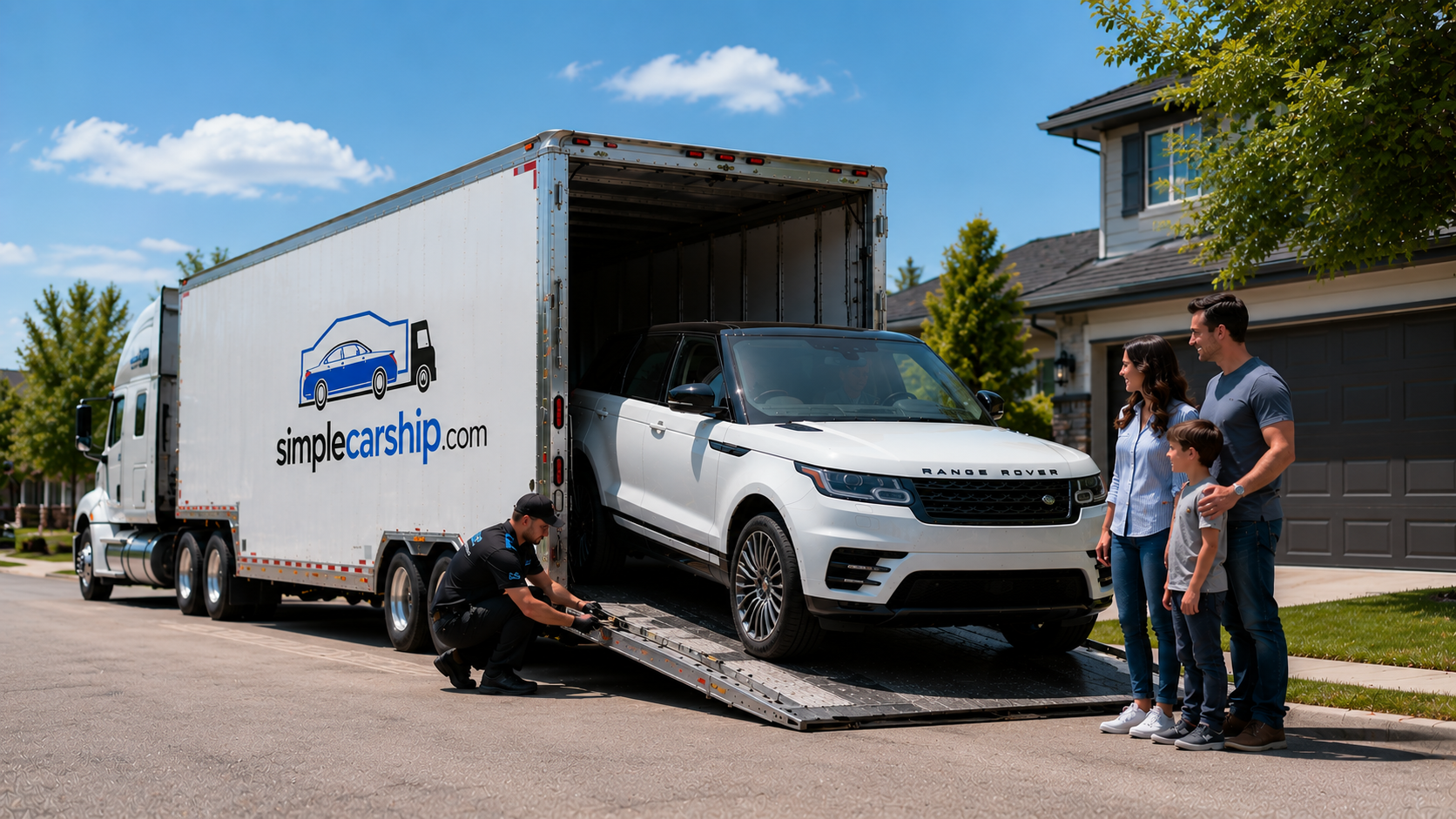
Ship a Car from Pennsylvania to Washington
Moving a vehicle across 2,831 miles from Pennsylvania to Washington requires a carrier you can trust and a process that doesn’t leave you guessing. Whether you’re relocating from Philadelphia to Seattle or sending a car from Pittsburgh to Tacoma, Simple Car Ship handles cross-country routes with clear pricing, real communication, and no runaround.
Ship your car the simple way. We match you with hand-selected carriers who run this coast-to-coast lane regularly, and we stay in contact from pickup through delivery. Your shipment isn’t a load number.
Get your instant car shipping price
Real quote in seconds — no spam, no runaround.
How Car Shipping from Pennsylvania to Washington Works
The Pennsylvania–Washington corridor spans 2,831 miles of interstate highways, primarily I-80 west through Ohio, Indiana, Illinois, Iowa, Nebraska, Wyoming, and into the Pacific Northwest. Carriers typically complete the journey in 5 to 7 days, depending on whether your vehicle is part of a direct run or a multi-stop route. Most transport companies run this lane year-round—it’s a well-traveled path connecting the Mid-Atlantic with the Seattle metro area.
Once you request a quote, we review your vehicle details, your preferred pickup and delivery windows, and whether you need open or enclosed transport. We then connect you with a licensed carrier whose schedule aligns with your timeline. You’ll receive a firm pickup date—not a vague four-day window—and the driver contacts you directly before arrival. At delivery in Washington, you inspect the car, sign the Bill of Lading, and pay the driver directly (most accept card or cash).
What It Costs to Ship a Car from Pennsylvania to Washington
Open transport on this route typically runs between $2,080 and $2,535, depending on your vehicle’s size, the exact metro-to-metro pairing, and the season. Compact sedans land at the lower end; full-size trucks and SUVs push toward the higher range because they occupy more deck space and add weight. Enclosed transport—where your car rides in a fully covered trailer—costs between $3,330 and $4,055. Enclosed carriers haul fewer vehicles per load and command premium rates, but they’re the right call for high-value, classic, or low-clearance cars.
If you need faster delivery, expedited open transport is available at around $3,395. This service prioritizes your vehicle on the next available truck and shrinks the transit window, though it doesn’t change road conditions or legally mandated driver rest periods. Prices shift based on fuel costs, carrier availability, and demand spikes around summer and early fall, when cross-country moves peak. We quote real numbers upfront—no bait pricing, no surprise fees at delivery.
Open vs. Enclosed Transport for the Pennsylvania–Washington Route
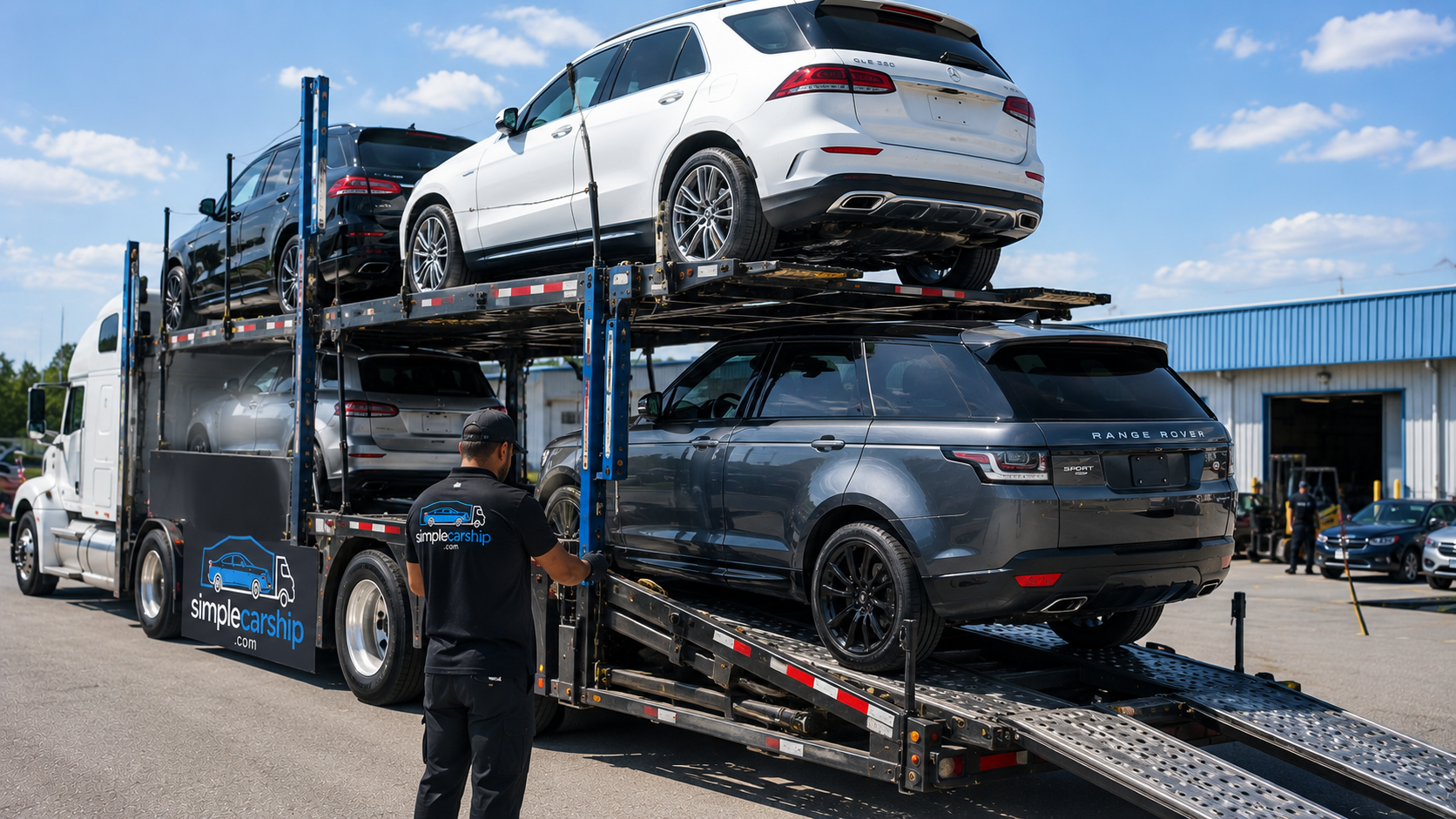
Open auto transport is the workhorse of the industry. Your car rides on an open-air double-deck trailer alongside seven to nine other vehicles, exposed to weather but fully insured and secured with wheel straps and soft ties. For sedans, daily drivers, and most SUVs traveling from Philadelphia or Pittsburgh to Seattle or Tacoma, open transport delivers excellent value and reliability. Road dust and rain are possible, but they rinse off and don’t affect mechanical integrity.
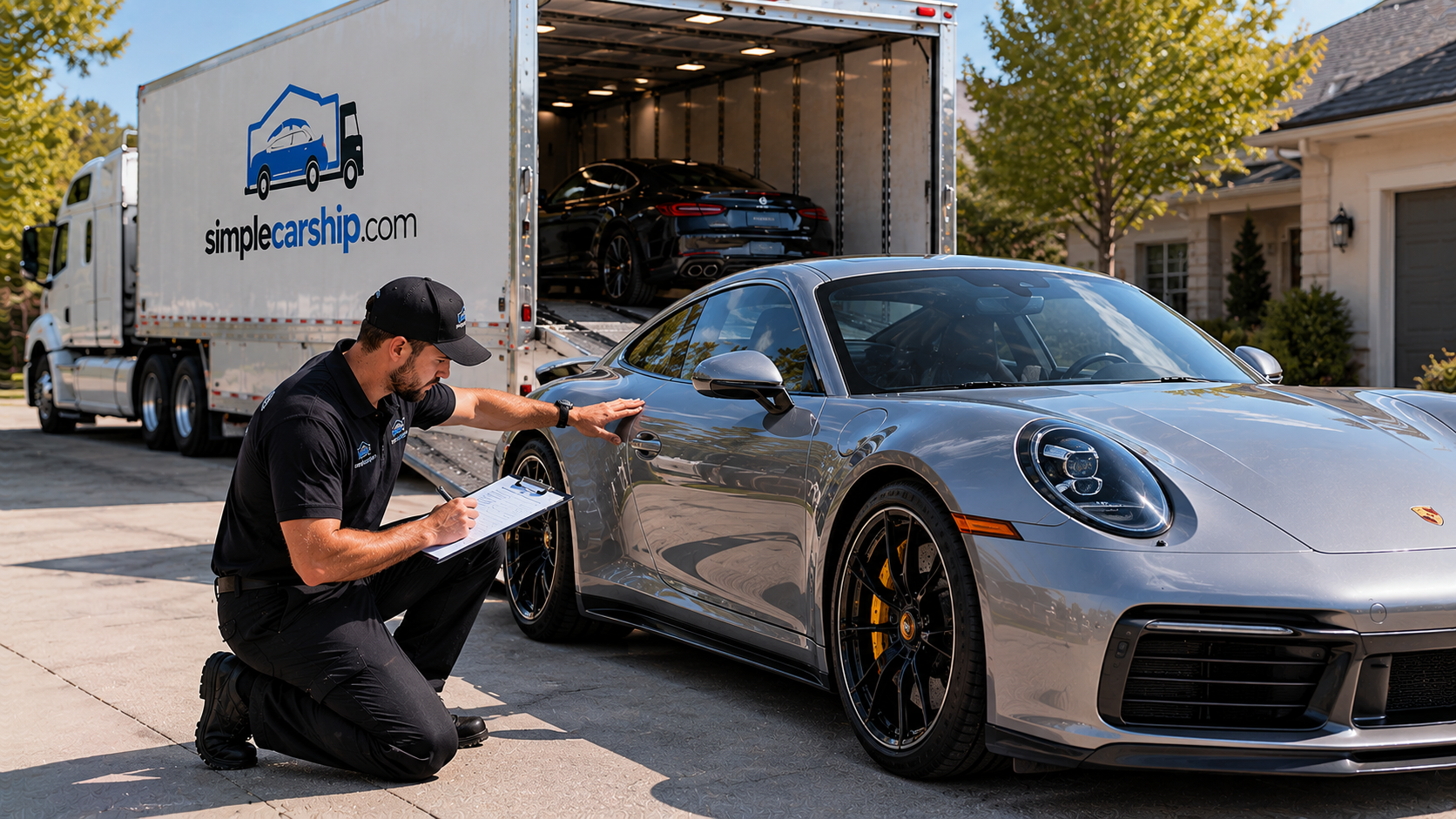
Enclosed transport makes sense when you’re shipping a collector car, a European luxury vehicle, or anything with aftermarket paint, custom bodywork, or a very low front splitter. The 2,831-mile haul crosses mountain passes and open plains where weather can vary; an enclosed trailer eliminates stone chips, UV exposure, and road spray. It’s also the standard choice for high-dollar vehicles where resale value hinges on cosmetic perfection. If your car is worth under $40,000 and you drive it regularly, open is almost always the smarter pick.
| Feature | Open Transport | Enclosed Transport |
|---|---|---|
| Price Range | $2,080 – $2,535 | $3,330 – $4,055 |
| Transit Time | 5–7 days | 5–7 days |
| Protection | Fully insured; weather-exposed | Enclosed trailer; maximum protection |
| Best For | Daily drivers, sedans, most SUVs | Classics, luxury, low-clearance, high-value cars |
Pickup in Pennsylvania and Delivery in Washington
In Pennsylvania, the vast majority of shipments originate in the Philadelphia and Pittsburgh metro areas. Carriers prefer accessible locations with truck-friendly streets—residential subdivisions with narrow lanes or low-hanging trees often require you to meet the driver at a nearby parking lot or main road. If you’re outside the metros—say, in Allentown, Erie, or Harrisburg—pickup is still straightforward; the carrier coordinates a convenient meeting point along their route.
On the Washington side, deliveries concentrate in Seattle and Tacoma, though carriers also serve Spokane, Bellevue, Olympia, and the I-5 corridor. Seattle’s hills and tight residential streets can pose challenges for full-size car carriers, so your driver may ask to meet at a commercial lot, grocery store, or park-and-ride. This is standard practice, not a service failure—big rigs need space to maneuver safely. We confirm delivery logistics a day or two out so there are no surprises.
How Simple Car Ship Handles Pennsylvania to Washington Shipments
We don’t operate a massive call center or shuffle your booking through three layers of dispatch. When you request a quote, you’re speaking with someone who knows this route, understands carrier schedules, and can tell you what’s realistic for your timeline. We work exclusively with licensed, insured motor carriers—no backyard haulers, no unvetted brokers reselling your order. Every carrier we assign has verifiable authority and a track record on long-haul lanes like Pennsylvania–Washington.
Clear quotes. Real communication. No guesswork. You’ll receive a detailed order confirmation with pickup and delivery expectations, the carrier’s contact information, and our direct line if anything changes. We check in during transit and make sure the driver confirms delivery details before arriving in Washington. Real human support, from quote to delivery sign-off.
Ready to move your car? Get a clear, honest quote for your Pennsylvania–Washington shipment today.
Frequently Asked Questions: Shipping a Car from Pennsylvania to Washington
- How long does it take to ship a car from Pennsylvania to Washington?
- Transit typically takes 5 to 7 days to cover the 2,831-mile distance. The timeline depends on whether your carrier runs a direct route or makes intermediate stops in the Midwest. Weather delays are rare but possible in winter through Wyoming or the Cascades. We provide a firm pickup date and communicate any schedule changes immediately.
- What’s the cost difference between open and enclosed transport on this route?
- Open transport costs between $2,080 and $2,535, while enclosed transport ranges from $3,330 to $4,055. Enclosed trailers haul fewer vehicles and offer full weather protection, which justifies the premium. Most everyday vehicles ship open; classics, luxury cars, and low-clearance sports cars benefit from enclosed service on a cross-country haul like Pennsylvania to Washington.
- Can I ship a non-running car from Pennsylvania to Washington?
- Yes, but the carrier will need to winch your vehicle onto the trailer, which requires advance notice and often adds $150 to $250 to the base price. The car must roll and steer; completely seized brakes or locked steering columns can prevent loading. Disclose the non-running status when you request your quote so we match you with a carrier equipped for inoperable vehicles.
- Do I need to be present for pickup in Pennsylvania and delivery in Washington?
- Either you or a designated agent (friend, family member, or colleague) must be present at both ends to hand over keys, perform the vehicle inspection, and sign the Bill of Lading. The person at delivery also pays the driver. You do not need to be the same person at both locations, but whoever signs must be over eighteen and have valid ID.
- When is the best time of year to ship a car from Pennsylvania to Washington?
- Carrier availability remains steady year-round on this high-volume coast-to-coast route. Spring and fall see moderate demand; summer and the early winter holiday season can push prices slightly higher due to relocation spikes. Winter weather through the Rockies occasionally extends transit by a day, but delays are infrequent. Booking two to three weeks ahead secures better rates and scheduling flexibility regardless of season.