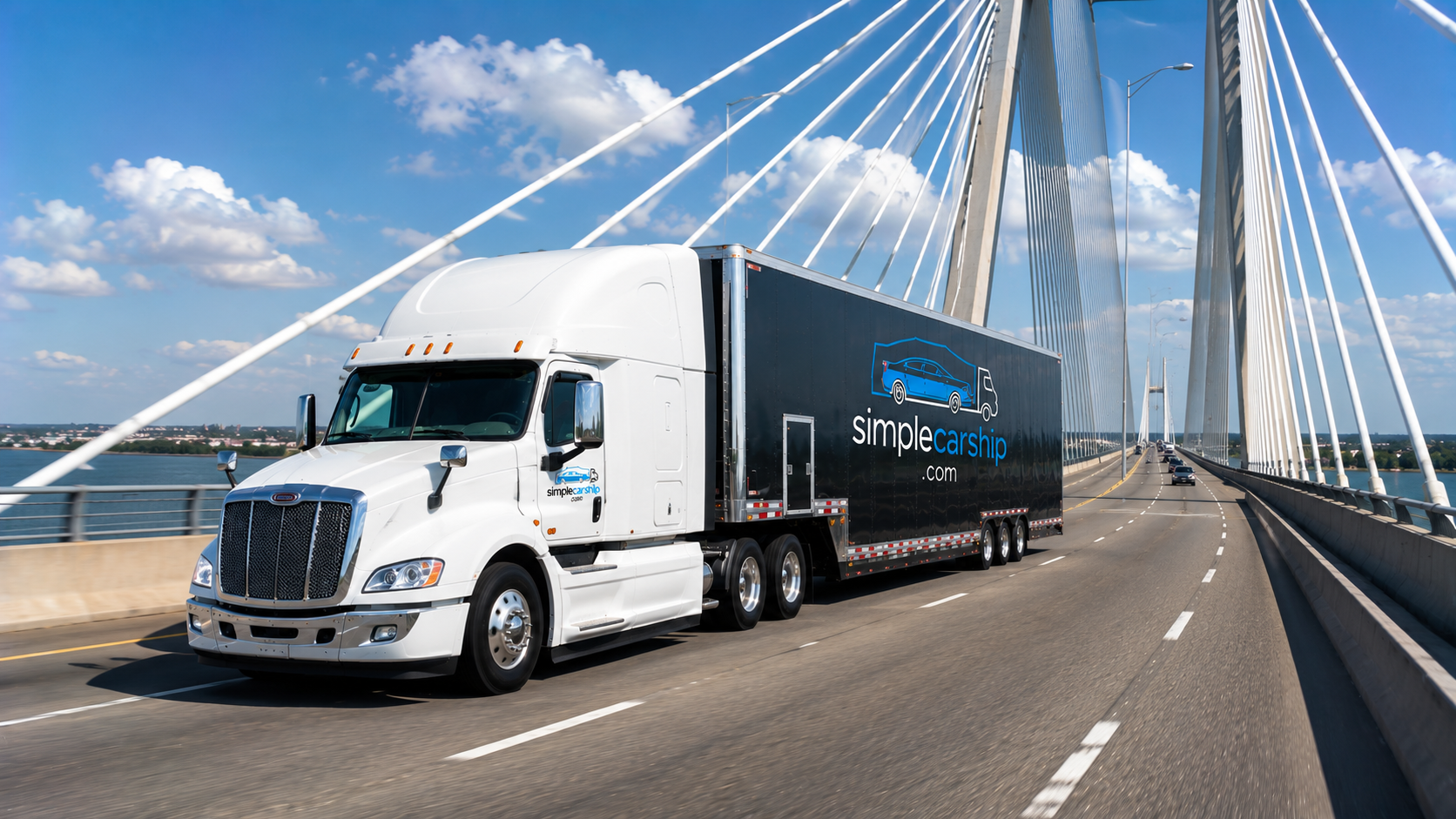
How Long Does It Take to Ship a Car from Florida to Oregon?
Shipping a car from Florida to Oregon typically takes 5 to 7 days for the 3,296-mile cross-country journey. The timeline includes 1–2 days for carrier dispatch and pickup, 4–5 days of transit across the southern or central routes, and same-day delivery once your carrier reaches Oregon. Understanding each phase helps you plan pickup windows, coordinate travel, and know exactly when your vehicle will arrive on the West Coast.
Ship your car the simple way. Clear quotes. Real communication. No guesswork, no runaround.
Get your instant car shipping price
Real quote in seconds — no spam, no runaround.
The Florida-to-Oregon Shipping Timeline: What Happens Each Day
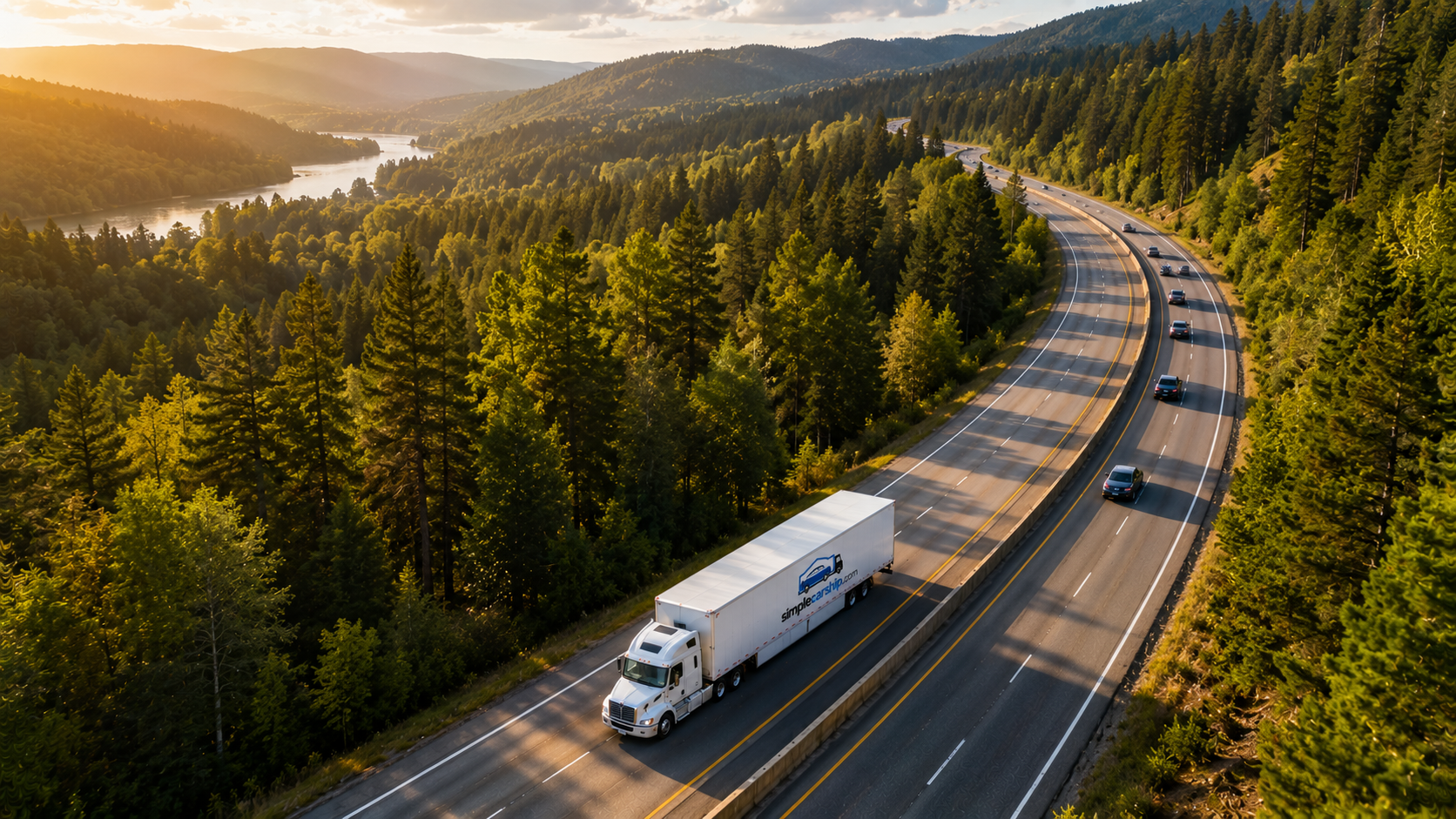
Once you book, the clock starts with carrier assignment. Most Florida-to-Oregon shipments see a carrier assigned within 24 to 48 hours, especially from high-volume metros like Miami, Orlando, Tampa, and Jacksonville. Your driver contacts you directly to schedule pickup—usually within 1–2 days of assignment. From that pickup moment, transit begins. The 3,296-mile haul breaks into roughly 650–700 miles per day, depending on route and weather. Carriers running I-10 west to Texas, then I-5 north through California into Oregon, or I-40 through the Southwest and up the coast, maintain steady progress with federally mandated rest periods built in.
Day one through day five cover the bulk of the distance: out of Florida, across the Deep South or Southwest, through California’s Central Valley, and into Oregon. By day six or seven, your car reaches Portland or Eugene for final delivery. Enclosed transport follows the same timeline—protection level doesn’t slow the trip. If you need faster service, expedited dispatch prioritizes carrier assignment within hours and can compress the window to 4–5 days, though it costs significantly more. For most shipments, the standard 5–7 day window is predictable and reliable, giving you a tight enough range to coordinate flights, hotel check-outs, or work start dates without paying express premiums.
What It Costs to Ship from Florida to Oregon
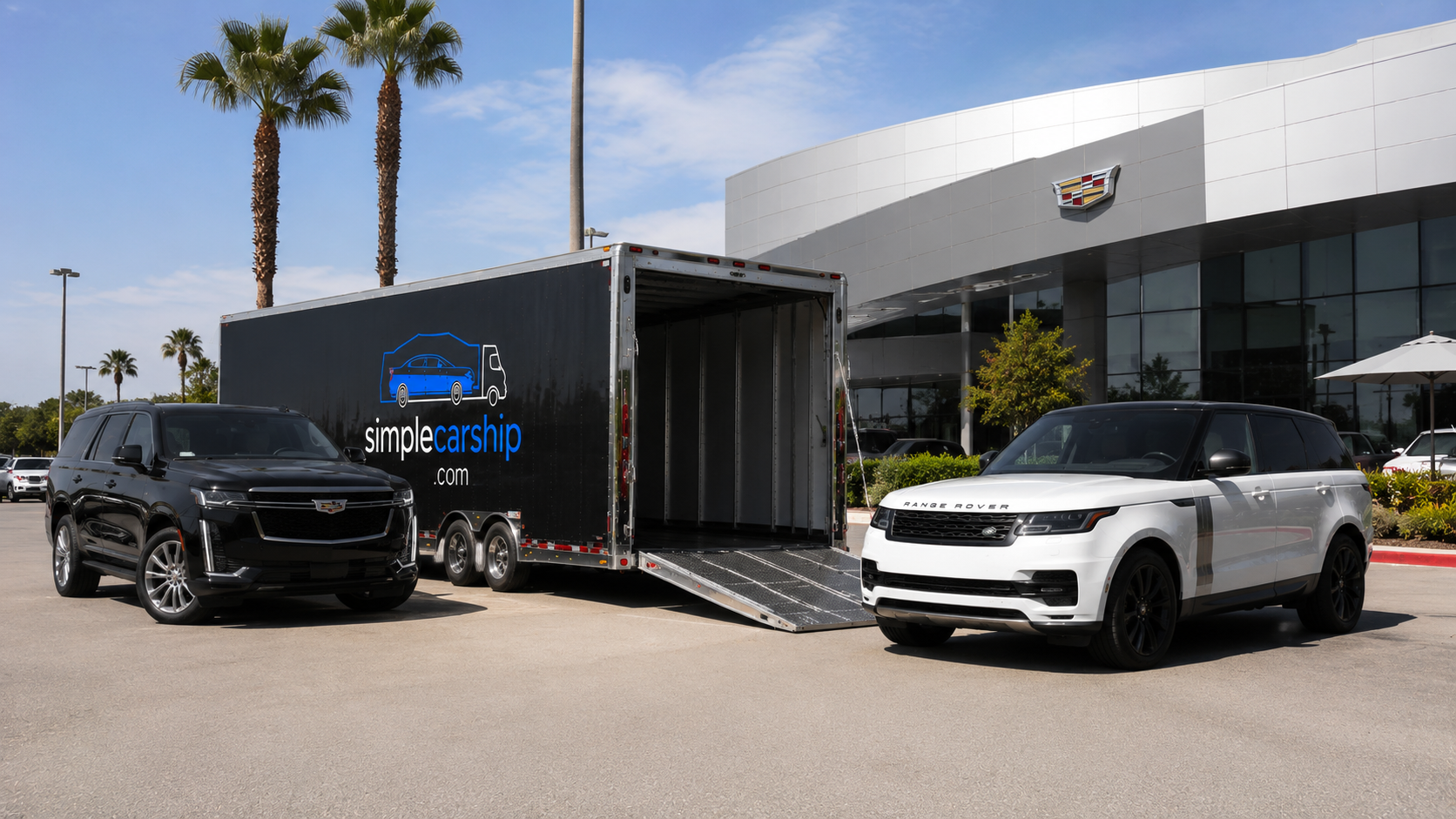
Open auto transport from Florida to Oregon runs $2,775 to $3,375 for a standard sedan or SUV. That range reflects seasonal demand, your exact pickup and delivery cities, and vehicle size—larger trucks and three-row SUVs sit at the higher end. Enclosed transport, which shields your car from road spray and weather across 3,296 miles, costs $4,440 to $5,405. The price gap pays for dedicated enclosed trailers that carry fewer vehicles and offer door-to-door white-glove handling, a smart choice for luxury cars, classics, or low-clearance sportscars crossing the Rockies and Siskiyous.
Expedited service—guaranteed pickup within 24 hours and priority routing—pushes open transport to around $4,523, compressing the timeline by a day or two when you’re under deadline pressure. Prices shift slightly by metro: Jacksonville and Tampa pickups often cost $50–$100 less than Miami due to carrier route density, while Eugene deliveries may add $75–$125 over Portland since fewer trucks make that southern detour. Fuel surcharges, peak summer travel, and tight carrier availability in winter months (rare, but possible) can nudge quotes upward, but the ranges above hold true for most of the year on this coast-to-coast lane.
Open vs. Enclosed Transport for a Cross-Country Florida–Oregon Haul
Open transport makes sense for daily drivers, used cars, and any vehicle you’d comfortably park outside during a week-long road trip. Your car rides on a double-decker trailer alongside five to eight others, fully exposed to weather and road conditions but secured with wheel straps and inspected at pickup and delivery. Across 3,296 miles, rain, dust, and bug splatter are inevitable—plan for a wash on arrival. The method is safe, insured, and accounts for roughly 90 percent of Florida-to-Oregon shipments because it’s efficient and affordable.
Enclosed makes sense when the vehicle’s value, condition, or clearance warrants extra protection. A Tesla Model S, a restored ’67 Mustang, or a lease return you’re moving for work all benefit from enclosed walls blocking road debris, UV exposure, and the desert dust that coats I-10 through Arizona and Southern California. Enclosed carriers also offer softer loading ramps and climate-controlled options (rare, but available) for collector cars sensitive to temperature swings across the Rockies. If your car’s replacement cost exceeds $50,000 or you’re moving something irreplaceable, the $1,700–$2,000 premium over open transport buys peace of mind for a journey that crosses deserts, mountains, and four time zones.
Pickup in Florida and Delivery in Oregon: Metro Logistics
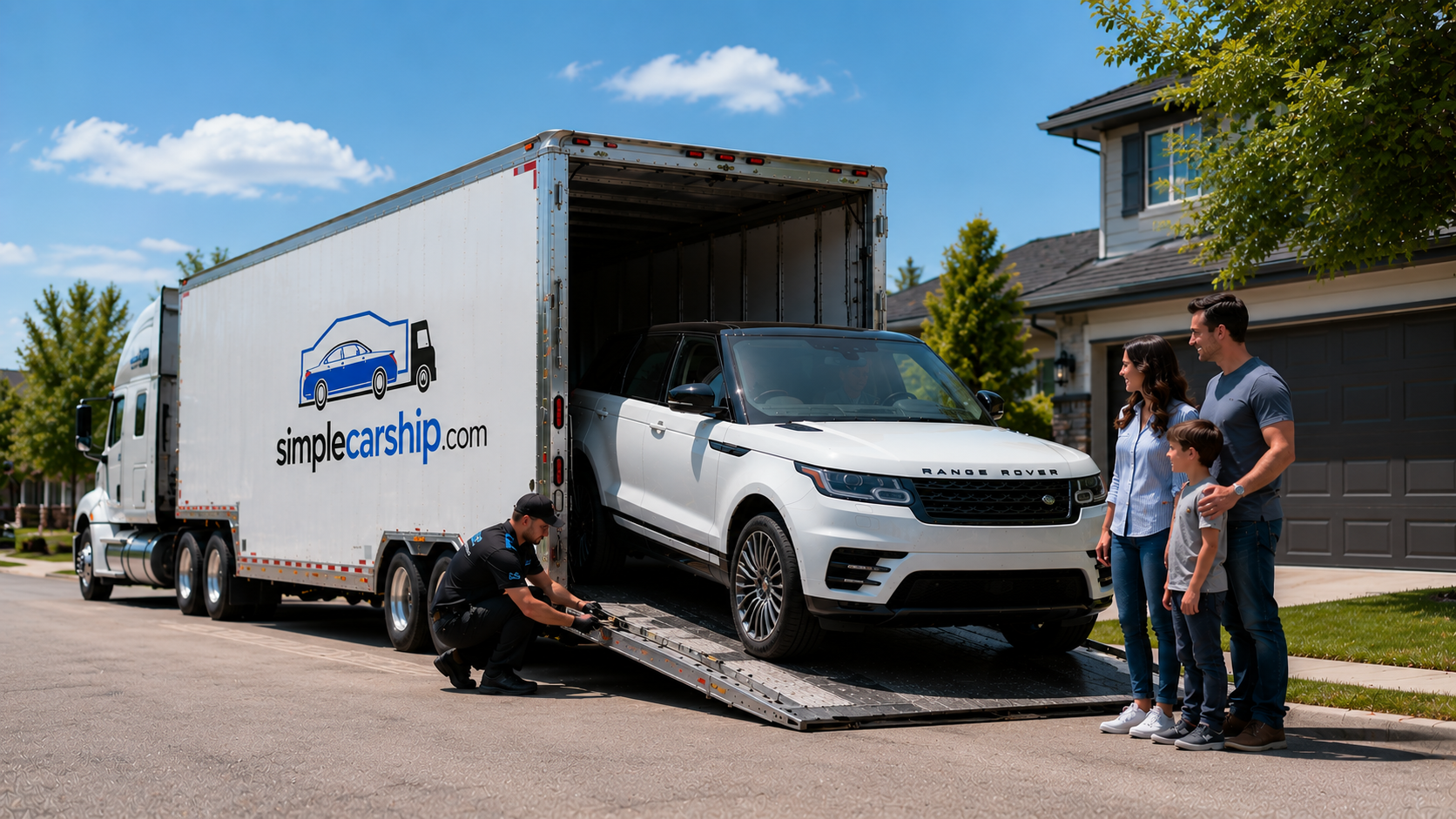
Most Florida pickups happen in Miami, Orlando, Tampa, and Jacksonville—cities on major carrier routes with daily truck availability. Your driver calls to schedule a two-to-four-hour pickup window; you meet them at your home, office, or a nearby clear parking lot (no narrow condo garages or tree-canopied streets—carriers need 14 feet of vertical clearance and 75 feet of turning radius). The driver completes a condition inspection with you, noting existing scratches, dents, and mileage, then loads your car and hands you the Bill of Lading. If you’re already out of state, a friend or family member can handle pickup with your written authorization.
Delivery in Oregon concentrates in Portland and Eugene, the state’s population centers where carriers finish I-5 northbound runs. Portland sits on the main artery, so delivery is straightforward; Eugene requires a short detour south, sometimes adding half a day. The same inspection process repeats at delivery—walk the car with the driver, compare condition to the Bill of Lading, and sign off. If your final address has access constraints (narrow streets, HOA rules), arrange delivery at a nearby shopping center or park-and-ride. Your shipment isn’t a load number—drivers coordinate by phone and adjust delivery windows to your schedule within reason, usually offering morning or afternoon arrival estimates the day before.
How Simple Car Ship Handles the Florida–Oregon Route
We assign a dedicated transport coordinator the moment you book, and that person stays with your shipment from quote to delivery. No call centers, no ticket handoffs. Your coordinator vets every carrier for active FMCSA authority, current cargo insurance (minimum $1,000,000), and route experience—we don’t dispatch your car to a broker’s broker or a one-truck startup running their first cross-country load. You get the driver’s name and cell number before pickup, and our system tracks progress across the country so we can answer “where is my car?” with real data, not guesses.
Communication is the difference. If your carrier hits weather delays in West Texas or needs to adjust delivery by a few hours in Portland, you hear it from us first—no surprises, no voicemail chains. We also handle the pricing honesty other brokers skip: the quote you see includes the full carrier rate, and we explain what drives price variation (vehicle size, enclosed vs. open, pickup date flexibility) so you can make trade-offs that fit your budget and timeline. Real human support, clear quotes, no runaround. That’s how we’ve built a business in a industry famous for the opposite.
Florida to Oregon Shipping Comparison
| Method | Price Range | Transit Time | Best For |
|---|---|---|---|
| Open Transport | $2,775–$3,375 | 5–7 days | Daily drivers, used vehicles, budget-conscious moves |
| Enclosed Transport | $4,440–$5,405 | 5–7 days | Luxury cars, classics, low-clearance sports cars |
| Expedited Open | ~$4,523 | 4–5 days | Tight deadlines, last-minute relocations |
Ready to book your Florida-to-Oregon shipment? Get a real quote in 60 seconds—no email required to see pricing, and a human coordinator standing by when you’re ready to move forward.
Frequently Asked Questions: Shipping a Car from Florida to Oregon
How many days should I expect my car to be in transit from Florida to Oregon?
Typical transit is 5 to 7 days for the 3,296-mile journey. Pickup happens 1–2 days after booking, then the cross-country drive takes 4–6 days depending on route and driver rest schedules. Expedited service can compress this to 4–5 days total, but standard shipping offers a reliable window for most relocations and travel plans.
Can I track my vehicle while it’s being shipped across the country?
Yes. Your driver provides direct contact info at pickup, and your Simple Car Ship coordinator tracks progress with regular carrier check-ins. We update you at key milestones—departure from Florida, crossing into the Southwest, arrival in California, and final delivery scheduling in Oregon. Real-time GPS isn’t standard, but phone communication keeps you informed throughout the trip.
What’s the price difference between open and enclosed transport for this route?
Open transport costs $2,775–$3,375, while enclosed runs $4,440–$5,405—a premium of roughly $1,700 to $2,000. Enclosed trailers protect against weather, road debris, and UV exposure across deserts and mountains, making the upgrade worthwhile for luxury vehicles, classics, or any car valued above $50,000 where exterior condition matters significantly.
Will my delivery date in Oregon be guaranteed?
No carrier guarantees exact delivery dates due to weather, traffic, DOT hours-of-service rules, and route variables over 3,296 miles. Standard service provides a 5–7 day window; most shipments deliver on day six. Expedited dispatch tightens the range and prioritizes your load, but even then we quote a window, not a guaranteed hour, to avoid making promises road conditions won’t let us keep.
Is it cheaper to ship from Jacksonville than Miami to Oregon?
Often, yes—by $50 to $100. Jacksonville sits on I-95 and I-10 intersection points where carriers naturally route westbound, reducing deadhead miles. Miami requires a detour south, and higher demand from Florida’s southeast coast can raise prices slightly. Tampa and Orlando fall in between. The difference is modest, so choose pickup based on convenience unless you’re optimizing every dollar on a tight budget.