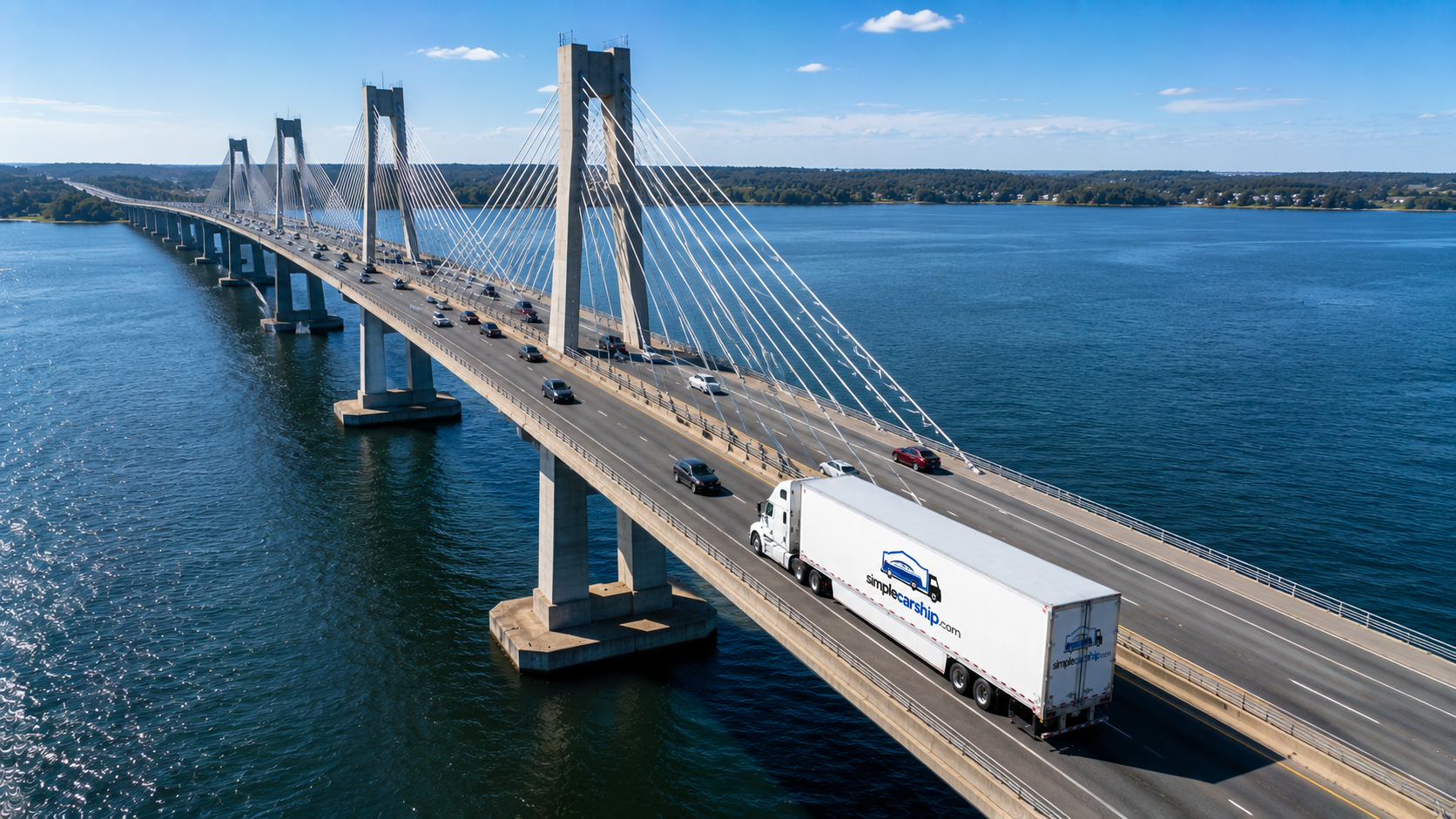
How Long Does It Take to Ship a Car from Oregon to Florida?
Shipping a car from Oregon to Florida takes 5 to 7 days in transit once a carrier picks up your vehicle. The total timeline—from booking to delivery—typically runs 7 to 10 days, accounting for carrier assignment (1–3 days) and the 3,259-mile cross-country journey. Understanding each phase helps you plan the handoff and coordinate arrival, whether you’re relocating to Miami, sending a second vehicle to Tampa, or moving a college student’s car to Orlando.
Here’s how the timeline breaks down, what affects those days in motion, and how to keep your shipment on schedule across one of the longest domestic routes.
Get your instant car shipping price
Real quote in seconds — no spam, no runaround.
The Day-by-Day Timeline: Booking to Delivery
When you request a quote and book your shipment, the clock starts on carrier assignment. Simple Car Ship matches your order with a vetted, insured carrier running the Oregon–Florida lane—usually within 24 to 72 hours. High-traffic routes like Portland to Miami or Eugene to Jacksonville fill quickly; less common pairings (say, Bend to Tallahassee) may add a day. Once assigned, the carrier contacts you directly to confirm a pickup window, typically a same-day or next-day window rather than an exact hour.
Pickup happens in that agreed window. The driver inspects your car with you, notes existing condition on a bill of lading, loads it onto the trailer, and begins the 3,259-mile drive. Transit itself—the highway portion—takes 5 to 7 days. Drivers log regulated hours (11 driving hours per 14-hour duty day, with mandatory 10-hour breaks), so the route usually unfolds over six calendar days for most carriers. Weather, traffic through the Rockies or across the Deep South, and multi-car drop sequences can nudge delivery toward day seven. Your driver calls 24 hours out to set the Florida delivery appointment, you meet them at the agreed location, inspect the vehicle again, sign off, and you’re done.

What Affects Transit Time on the Oregon-to-Florida Route
Three factors govern whether your shipment lands on day five or day seven. Routing matters: carriers running I-84 east through Idaho and Wyoming, then dropping south via I-80 and I-75, cover the miles efficiently; those detouring for other pickups or deliveries add time. Trailer type and load play a role—a dedicated enclosed trailer with one or two high-value cars moves faster than an open carrier juggling eight vehicles with staggered stops in Phoenix, Houston, and Tallahassee. Season and weather introduce variability. Winter storms in the Rockies or across the northern plains can delay departure from Portland by a day; summer thunderstorms in Florida rarely stop transit but may shift delivery windows by hours. Oregon’s Cascades and Siskiyous close occasionally in severe snow, though I-84 and I-5 corridors stay prioritized for plowing.
Carrier experience on this specific lane also counts. Drivers familiar with the Portland–Miami run know optimal fuel stops, inspection stations, and delivery logistics in congested metro areas like Orlando and Tampa. Simple Car Ship works exclusively with carriers that log consistent on-time performance and maintain real communication—no ghost windows, no multi-day silence. If your timeline is firm (job start date, college move-in, closing on a Florida home), mention it during booking; we’ll prioritize carriers with faster averages and flag your shipment for tighter coordination.
Open vs. Enclosed Transport: Does Trailer Type Change the Timeline?
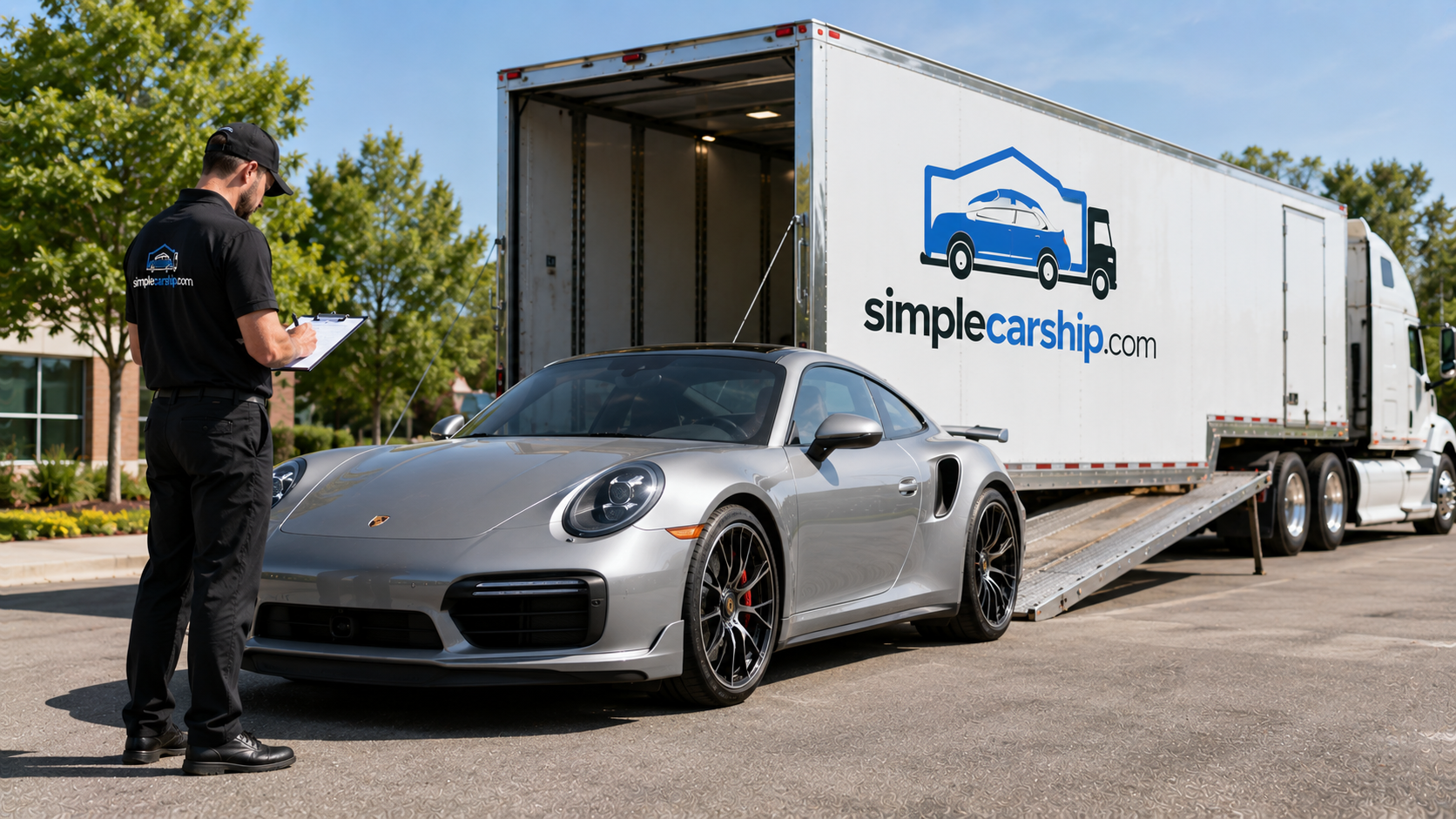
Enclosed transport typically adds half a day to a day versus open, not because enclosed trailers drive slower but because they handle fewer vehicles (two to four instead of seven to nine) and often serve routes with fewer backhaul opportunities. An open carrier running Portland to Jacksonville may already have return loads lined up, incentivizing faster delivery; an enclosed hauler moving a classic Porsche or Tesla Plaid may wait an extra day in Oregon to fill the second slot and cover costs. That said, dedicated enclosed service—where your car is the sole or primary shipment—can match open transit times, especially if you book express.
For the Oregon–Florida run, open transport costs $2,085 to $2,540 and departs more frequently. Enclosed runs $3,340 to $4,065, justified for luxury, classic, or high-clearance vehicles where 3,259 miles of road spray and sun exposure matter. If timing is tighter than protection concerns, open gets you there in the standard 5–7 days. If you’re shipping a restored Mustang or a six-figure EV and can afford an extra day for the right enclosed carrier, the trade-off makes sense. Express open service—available for around $3,402—guarantees pickup within 24 hours and prioritizes your car for the fastest available driver, often hitting the five-day mark reliably.
Pickup in Oregon and Delivery Across Florida
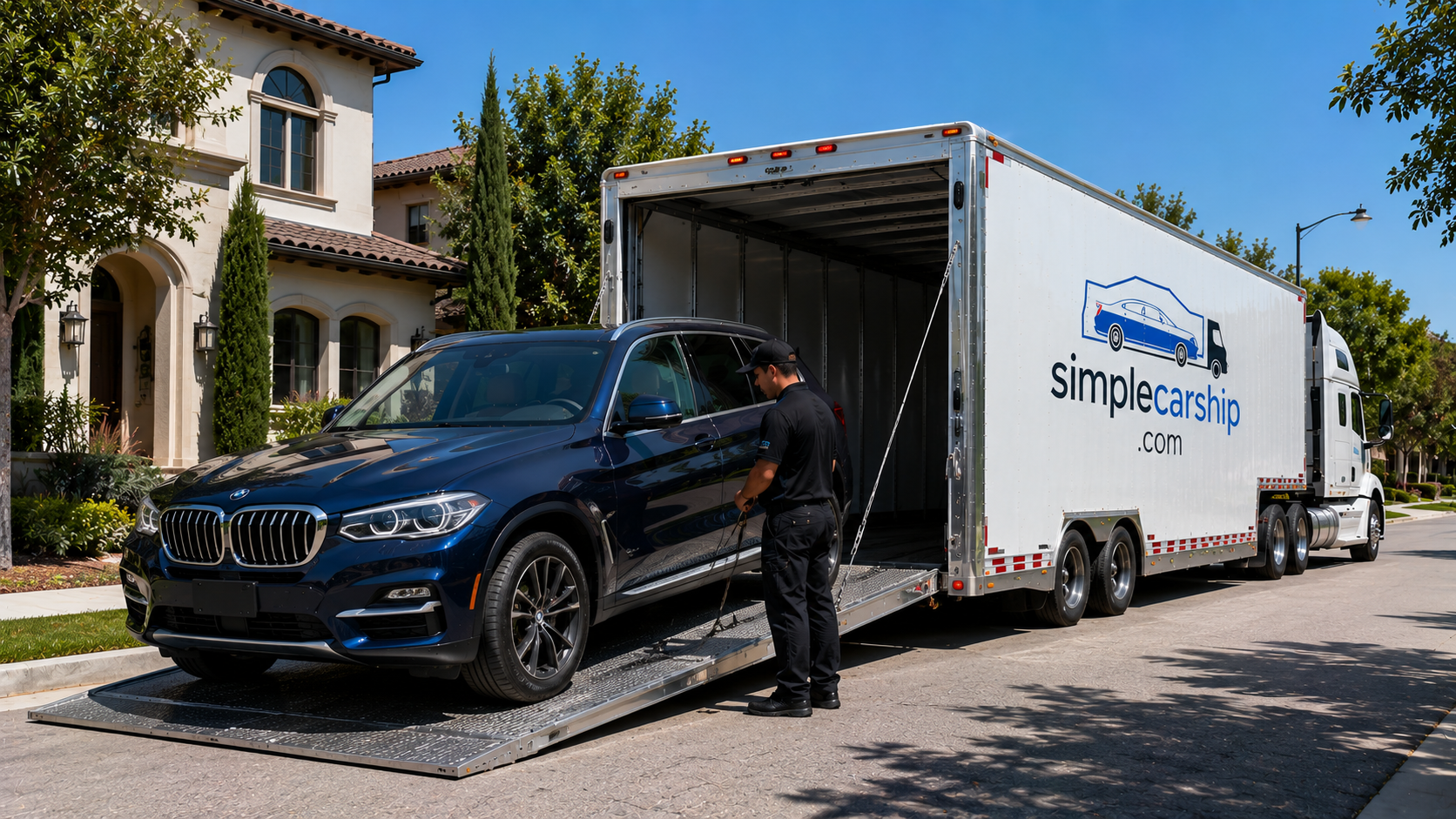
Most Oregon pickups happen in Portland or Eugene, where carrier traffic is highest and scheduling windows tightest. If you’re outside these metros—Medford, Bend, the coast—the carrier may request you meet at a nearby hub (a shopping center off I-5, a truck stop along I-84) or charge a small rural fee and add a few hours to the pickup day. Portland’s accessible grid and Eugene’s I-5 access make both cities easy for large trailers; narrow neighborhood streets may require a rendezvous at a nearby parking lot.
Florida delivery spreads across four major metros: Miami, Orlando, Tampa, and Jacksonville. Miami and Orlando see the highest inbound volume, so carriers often run dedicated routes and hit tight windows. Tampa and Jacksonville, while busy, may sit second or third on a multi-drop load, adding a day if your car isn’t first off. Communicate your Florida address early—if you’re in a gated community, a condo with no truck access, or a downtown high-rise, the driver will arrange a nearby meeting point (mall, grocery store, public lot). Delivery itself takes fifteen minutes: walk-around inspection, compare the bill of lading, note any new damage (rare but documented if present), sign, take your keys.
How Simple Car Ship Keeps Your Oregon–Florida Shipment on Schedule
We handle the Oregon-to-Florida lane the same way we handle every route: real humans, hand-selected carriers, and no runaround. When you request a quote, you’ll see the 5-to-7-day transit range and the real price spread—$2,085 to $2,540 open, $3,340 to $4,065 enclosed—with no hidden fees or bait-and-switch revision after you book. Once you confirm, we assign a carrier from our vetted network (all federally licensed, all carrying minimum $1,000,000 cargo insurance) and introduce you directly. You get the driver’s contact info; they get yours. No black-box tracking app, no load-number anonymity.
If something shifts—weather delay in Wyoming, an inspection-station holdup in Louisiana, a delivery reschedule on your end—you call the driver or call us, and we solve it in real time. Your shipment isn’t a line item. It’s your car, traveling 3,259 miles, and we treat the timeline with the respect that deserves. Most Oregon–Florida shipments deliver within the quoted window. When they don’t, it’s weather or road closures, and we notify you the moment we know, not the day it’s late.
| Service Level | Price Range | Typical Transit | Best For |
|---|---|---|---|
| Open Transport | $2,085–$2,540 | 5–7 days | Daily drivers, standard sedans, most reliable scheduling |
| Enclosed Transport | $3,340–$4,065 | 5–8 days | Luxury, classics, high-value EVs, weather protection priority |
| Express Open | ~$3,402 | 5–6 days | Firm deadlines, guaranteed 24-hour pickup, priority routing |
Ready to move your car from Oregon to Florida with a clear timeline and no surprises? Get a transparent quote in 60 seconds—real numbers, real transit days, and a team that picks up the phone.
Frequently Asked Questions: Oregon to Florida Car Shipping Timeline
Can I get my car from Portland to Miami in under five days?
Five days is the floor for the 3,259-mile Portland–Miami run, achievable with express service and a driver running minimal stops. Standard open transport averages six days. Enclosed or multi-drop loads often take the full seven. If you need sub-five-day delivery, air freight is the only option, though cost runs five figures.
Does winter weather in Oregon delay pickup or add transit days?
Heavy snow in the Cascades or along I-84 through the Columbia Gorge can delay pickup by one to two days if passes close. Once the carrier departs, winter weather across Idaho, Wyoming, or the Rockies may add a day to transit. Summer and fall see the most predictable five-to-seven-day windows for Oregon–Florida shipments.
Will my car arrive faster if I ship to Jacksonville instead of Miami?
Jacksonville sits closer (about 2,950 miles from Portland via I-10) and often serves as a first drop on northbound Florida routes, potentially saving half a day. Miami is the larger destination market, so carrier frequency is higher. In practice, both cities hit the same five-to-seven-day range; routing and load sequence matter more than endpoint distance.
How much of the 5–7 days is driving versus waiting for a carrier?
Once a carrier is assigned and picks up your car, the 3,259-mile drive takes five to seven days. Carrier assignment—matching your shipment to an available truck—adds one to three days before pickup. Total timeline from booking to Florida delivery typically runs seven to ten days. Express service compresses assignment to under 24 hours.
What happens if I need my car in Orlando by a specific date?
Book at least ten days before your deadline to allow for assignment, pickup, and the full seven-day transit window. Flag the hard date when you request your quote; we’ll prioritize carriers with consistent on-time records for the Oregon–Florida lane. Express service tightens the window further, guaranteeing pickup within 24 hours and prioritizing faster drivers.