
How Much Does It Cost to Ship a Car from Florida to Connecticut?
Shipping a car from Florida to Connecticut typically costs between $1,470 and $1,790 for open transport, or $2,350 to $2,865 for enclosed carriers across the 1,391-mile route. The final price depends on your vehicle type, trailer choice, seasonal demand, and how flexible you are with pickup timing. Below, we’ll break down exactly what moves the number and what you can expect when you ship with Simple Car Ship.
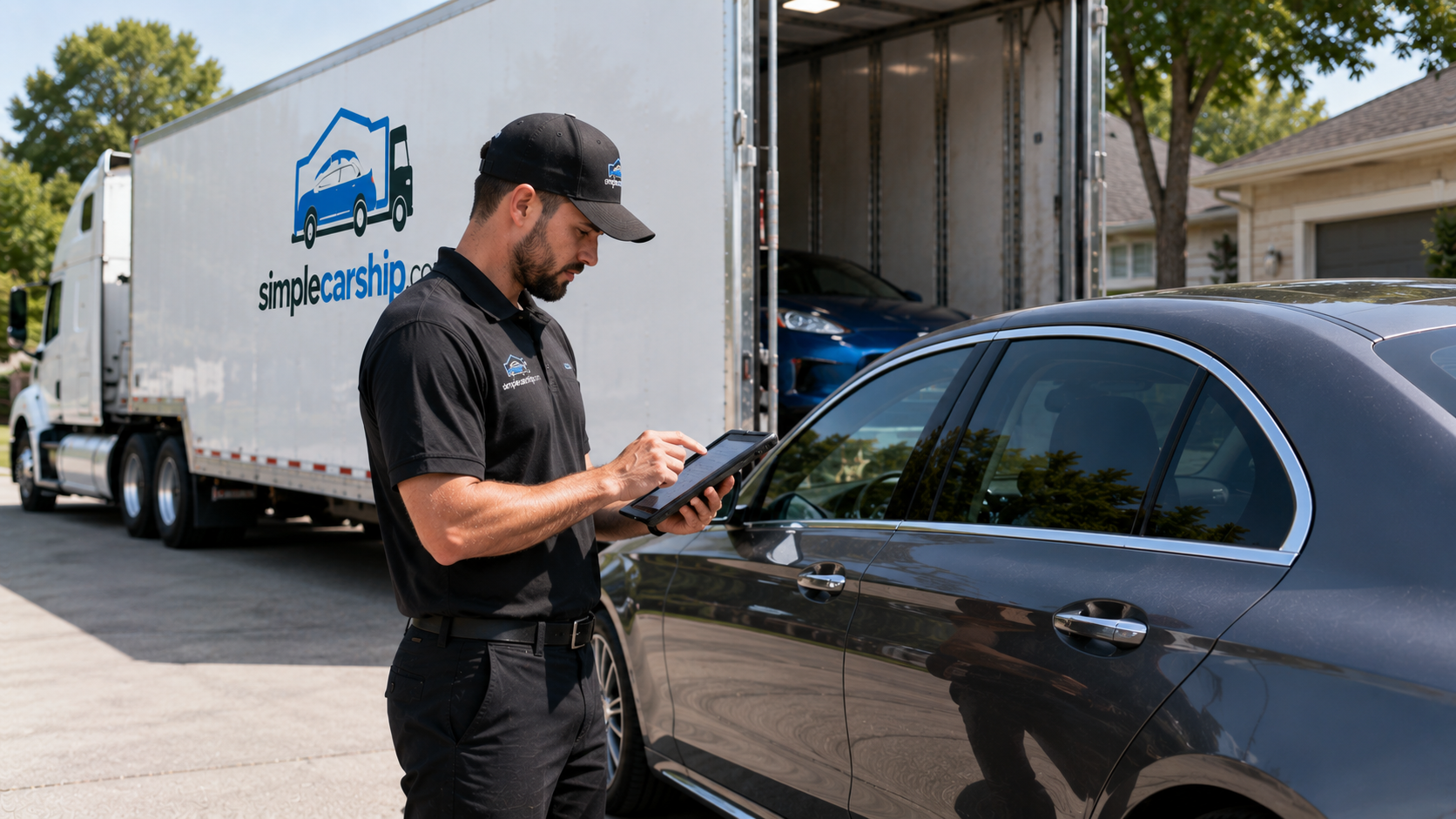
Get your instant car shipping price
Real quote in seconds — no spam, no runaround.
What Drives the Price When Shipping from Florida to Connecticut
The base cost reflects the 1,391-mile haul up I-95 and the carrier’s operational expenses—fuel, tolls, driver pay, and insurance. Open transport runs $1,470–$1,790 because your car shares a multi-vehicle trailer with up to nine other vehicles, splitting those costs. Enclosed carriers charge $2,350–$2,865 because they carry fewer cars in a protected environment, and demand for enclosed space is higher among owners of luxury, classic, or high-value vehicles.
Seasonality plays a role. Snowbirds heading north in spring and south in fall create demand spikes on this corridor, which can nudge prices upward during March–April and October–November. Vehicle size matters, too: a compact sedan fits easily and costs less than a lifted truck or three-row SUV that takes extra deck space and weight. If you need guaranteed pickup within 24–48 hours, expedited service is available at around $2,397 for open transport, roughly 60% above standard rates. Flexible scheduling—giving the carrier a 3–5 day window—keeps costs at the lower end of the range.

Open vs Enclosed Transport for the Florida–Connecticut Route
Open transport is the workhorse of the industry and the right choice for most daily drivers, commuter cars, and recently purchased vehicles. Your car rides exposed to weather and road spray, but carriers use the same multi-level trailers that deliver every new car from the factory to the dealer lot. It’s safe, common, and priced to move volume. For the Florida–Connecticut run, open carriers depart daily from Miami, Orlando, Tampa, and Jacksonville, and they’re heading to Hartford, Stamford, and the I-91 corridor already—you’re joining an established flow.
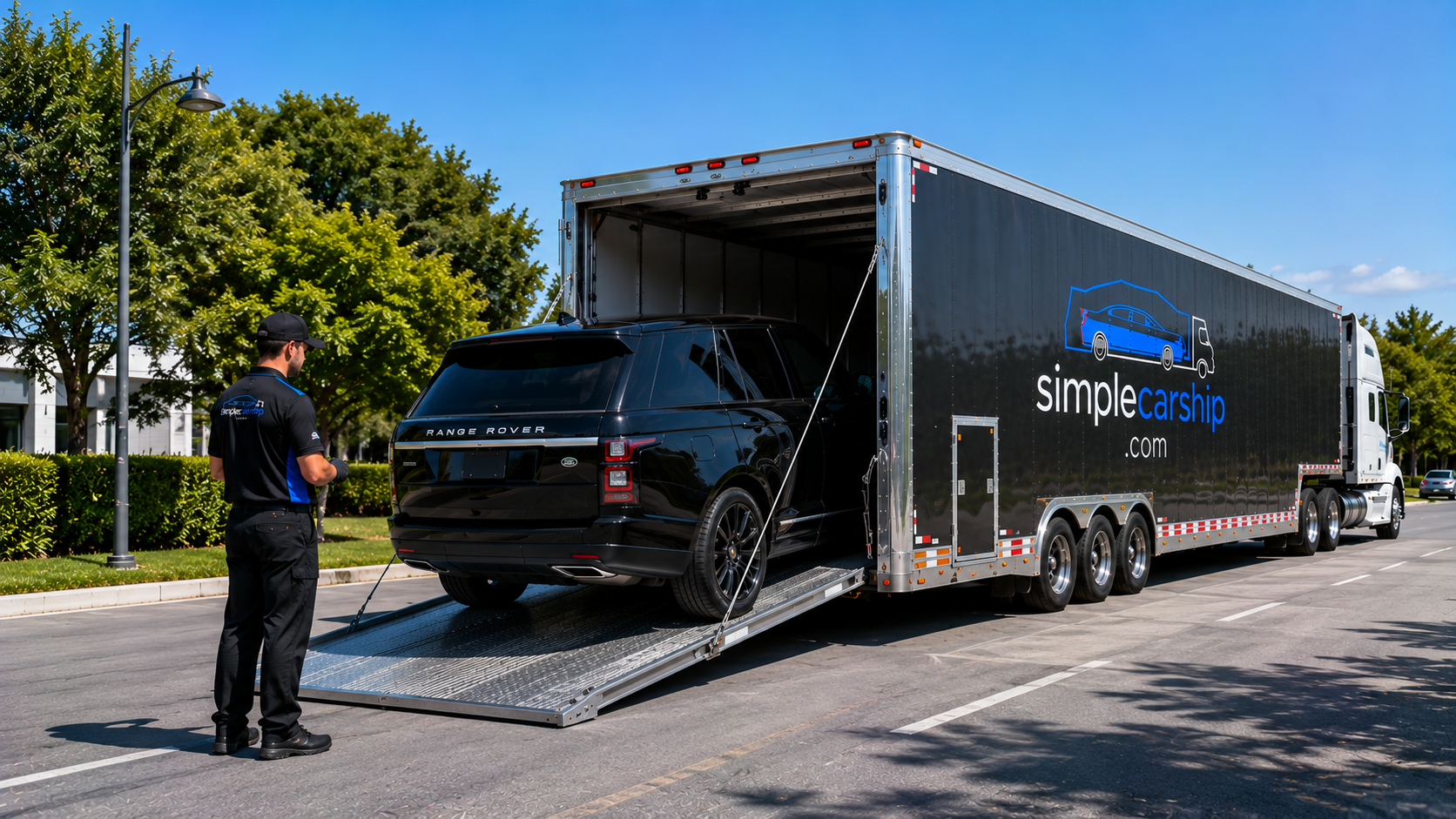
Enclosed makes sense when the vehicle’s value or condition justifies the premium. Classic cars, six-figure sports cars, freshly restored projects, and anything you wouldn’t park outside overnight should ride enclosed. The trailer is a hard-sided box, often climate-controlled, carrying four to six cars max. You’re paying for white-glove handling and peace of mind. On a 1,391-mile trip through five states and varying weather, enclosed eliminates every exterior risk.
| Feature | Open Transport | Enclosed Transport |
|---|---|---|
| Price (FL–CT) | $1,470–$1,790 | $2,350–$2,865 |
| Transit Time | 2–4 days | 2–4 days |
| Protection | Weather/road exposure | Fully enclosed, climate option |
| Best For | Daily drivers, recent purchases | Classics, luxury, high-value cars |
Pickup and Delivery Logistics Across Florida and Connecticut
Florida pickup happens most frequently in Miami, Orlando, Tampa, and Jacksonville—the state’s major population centers and the natural on-ramps to I-95 and I-75. Carriers running the Northeast corridor pass through these metros daily, so dispatch windows are short and costs stay competitive. If you’re outside a metro (think Ocala, Daytona, or the Panhandle), the carrier may ask you to meet at a nearby truck-friendly location, or they’ll add a small rural-access fee to reach you directly.
On the Connecticut end, most deliveries happen in or around Hartford and Stamford, with frequent service to New Haven, Bridgeport, and the I-84/I-91 interchange. Connecticut’s compact geography means even if you’re in Litchfield County or the Quiet Corner, you’re rarely more than 30–40 minutes from a major route. Carriers coordinate delivery appointments 24 hours out, and you’ll inspect the vehicle with the driver present, comparing condition to the signed bill of lading from pickup.
Transit Time and What to Expect on the Road
The Florida-to-Connecticut haul takes 2 to 4 days in transit once your car is loaded. That’s dock-to-dock time: the truck rolling, not waiting for other pickups. A direct single-load enclosed shipment can make the run in under 48 hours if the driver team-runs it. Standard open transport typically lands in the 3–4 day range because the carrier is consolidating a full load—picking up cars in Tampa, another in Jacksonville, dropping one in Georgia, another in the Carolinas—before continuing north.
Add 1–3 days on each end for dispatch and final-mile delivery scheduling. If you book Monday and choose standard service, your car might load Wednesday and arrive in Connecticut Saturday or Sunday. Expedited service compresses the front end: pickup within 24–48 hours, then the same 2–4 day drive. Weather rarely delays this route outside of hurricanes (Florida) or nor’easters (Connecticut), and carriers monitor forecasts closely to avoid running into storms.
How Simple Car Ship Handles Your Florida–Connecticut Shipment
We don’t post your load on a public board and wait for the lowest bidder to claim it. Instead, we match your shipment with a carrier we’ve vetted—licensed, insured, and experienced on the I-95 corridor. You’ll get a clear quote with the real price range (the numbers at the top of this page), a dedicated coordinator who tracks your car from dispatch through delivery, and text or email updates at every milestone: loaded, in transit, out for delivery.
Your car isn’t a load number here. We know handing over your keys to a stranger 1,400 miles away requires trust, so we explain the process up front, answer questions in plain English, and make sure the carrier shows up on time with the right equipment. If your vehicle is modified, low-clearance, or inoperable, we’ll tell you what that means for loading and price—no surprises at pickup. Ship your car the simple way: clear quotes, real communication, no runaround.
Ready to move your car from Florida to Connecticut? Get a free, transparent quote in under two minutes, and we’ll walk you through the next steps with real answers and zero pressure.
Frequently Asked Questions: Shipping a Car from Florida to Connecticut
How much does it cost to ship a car from Florida to Connecticut?
Open transport costs between $1,470 and $1,790 for the 1,391-mile route, while enclosed carriers run $2,350 to $2,865. The final price depends on vehicle size, trailer type, seasonal demand, and how flexible your pickup window is. Expedited open service costs around $2,397 for guaranteed 24–48 hour dispatch.
How long does it take to ship a car from Florida to Connecticut?
Transit time is 2 to 4 days once the car is loaded onto the carrier. Add 1–3 days for dispatch and final-mile scheduling on each end. Standard service usually completes door-to-door in 5–7 days total, while expedited service can compress the timeline to 3–5 days from booking to delivery.
Is open transport safe for the 1,391-mile trip from Florida to Connecticut?
Yes—open transport is how dealerships receive new inventory and how millions of cars move annually. Your vehicle is exposed to weather and road spray, but carriers secure each car individually and carry full insurance. It’s the safe, proven choice for daily drivers and any car you’d confidently park outside overnight.
What cities in Florida and Connecticut do carriers serve most often?
In Florida, carriers pick up most frequently from Miami, Orlando, Tampa, and Jacksonville. In Connecticut, deliveries concentrate around Hartford and Stamford, with regular service to New Haven, Bridgeport, and towns along I-84 and I-91. Rural locations may require a short meet-up or incur a minor accessibility fee.
Can I ship an inoperable or modified car from Florida to Connecticut?
Absolutely. Inoperable cars require a rollback or winch-equipped carrier, which may add $150–$250 to the base price. Lowered, lifted, or modified vehicles need advance disclosure so the carrier brings the right trailer and loading equipment. Communicate modifications up front to avoid delays or re-dispatch fees at pickup.