How Much Does It Cost to Ship a Car from Maryland to Ohio?
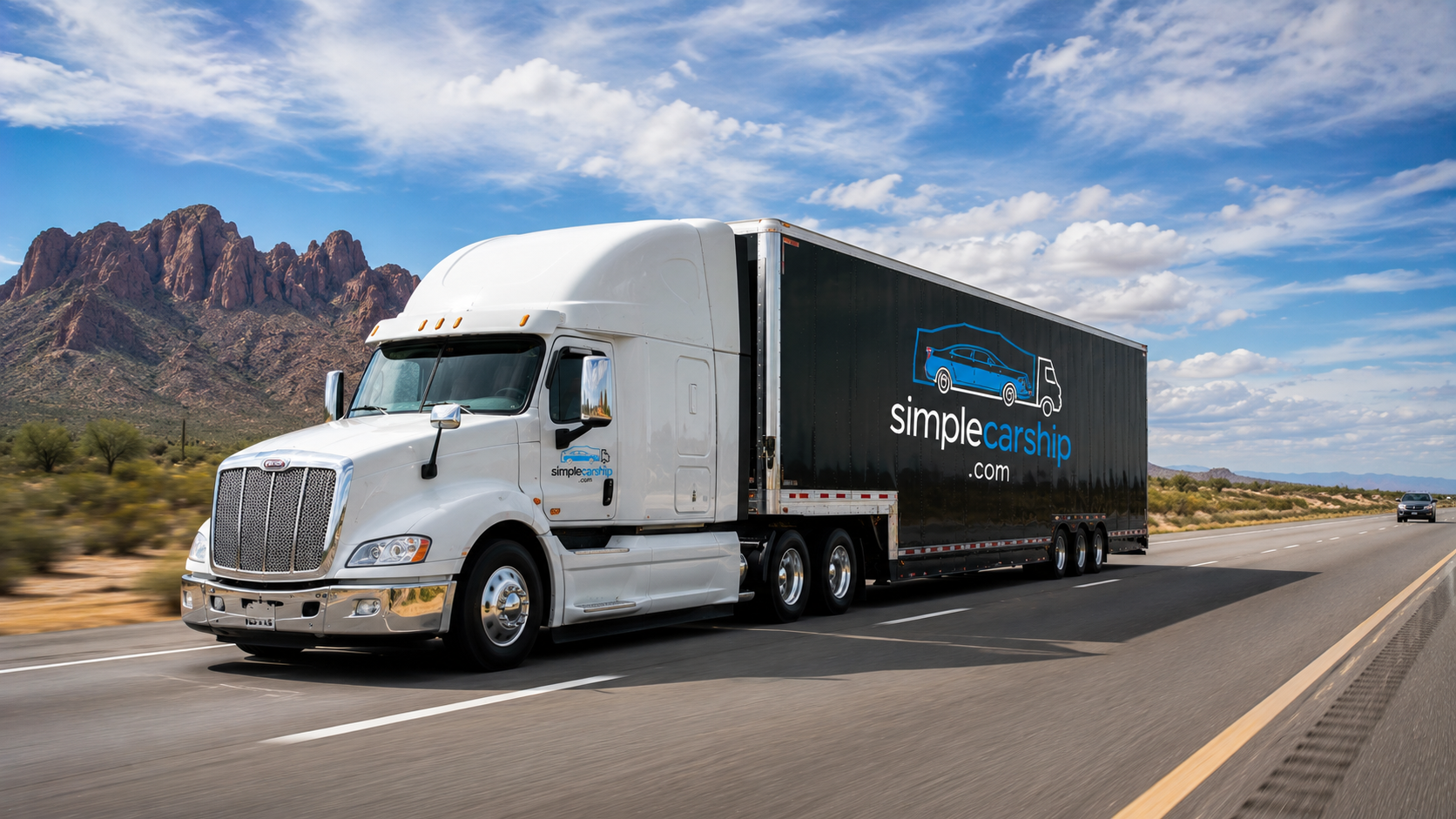
Shipping a car from Maryland to Ohio typically costs between $570 and $690 for open transport, or $910 to $1,105 for enclosed transport. The 403-mile route between states like Baltimore and Columbus is one of the more affordable mid-Atlantic to Midwest corridors, with transit times of just 1–3 days. Your final price depends on your vehicle type, the carrier method you choose, your exact pickup and delivery cities, and current carrier availability along the I-70 and I-68 corridors.
Get your instant car shipping price
Real quote in seconds — no spam, no runaround.
Most customers moving sedans and SUVs on this route choose open transport and pay in the mid-$600 range. If you’re shipping a luxury vehicle, classic car, or simply want maximum weather protection, enclosed transport adds about 60% to the base cost but delivers white-glove care. Because this is a well-traveled freight lane connecting the Port of Baltimore and major Ohio metros, carriers run it frequently, keeping prices competitive and pickup windows short.
What Determines the Cost to Ship a Car from Maryland to Ohio
The base price reflects the 403-mile distance, but several factors push your quote toward the higher or lower end of the range. Vehicle size and weight matter most—a compact sedan ships for less than a full-size pickup because it takes less deck space and adds less weight to the carrier’s load. Transport method is the second-largest variable: open carriers are the industry standard and cost $570–$690, while enclosed carriers with hard sides and climate control run $910–$1,105. If you need expedited service, expect to pay around $926 for guaranteed pickup within 24–48 hours on an open carrier.
Pickup and delivery locations also shift the price. Carriers prefer high-volume metro areas like Baltimore, Rockville, Columbus, Cleveland, and Cincinnati because they can chain multiple pickups and drop-offs along I-70. If you’re in a rural Maryland county or a smaller Ohio town off the interstate, the carrier may charge a rural-access fee of $50–$100 or ask you to meet at a nearby truck-friendly location. Seasonal demand is modest on this route year-round—it doesn’t see the same snowbird spikes as Florida or Arizona corridors—so prices stay relatively stable. Finally, vehicle condition plays a role: inoperable cars require a winch and flatbed-style loading, adding $100–$150 to the quote.
Open vs. Enclosed Transport for the Maryland–Ohio Route
Open transport is the workhorse of the Maryland–Ohio lane. Your car rides on a two-level open-air carrier alongside up to nine other vehicles. It’s exposed to road spray and weather, but carriers stick to I-70 and I-270—paved, well-maintained interstates—so the risk is minimal for everyday vehicles. Dealerships and rental fleets use open transport exclusively, and the 1–3 day transit window means your car spends less time on the road than coast-to-coast shipments. For sedans, crossovers, and trucks in normal use, open is the clear choice and the reason 85% of customers on this route pick it.
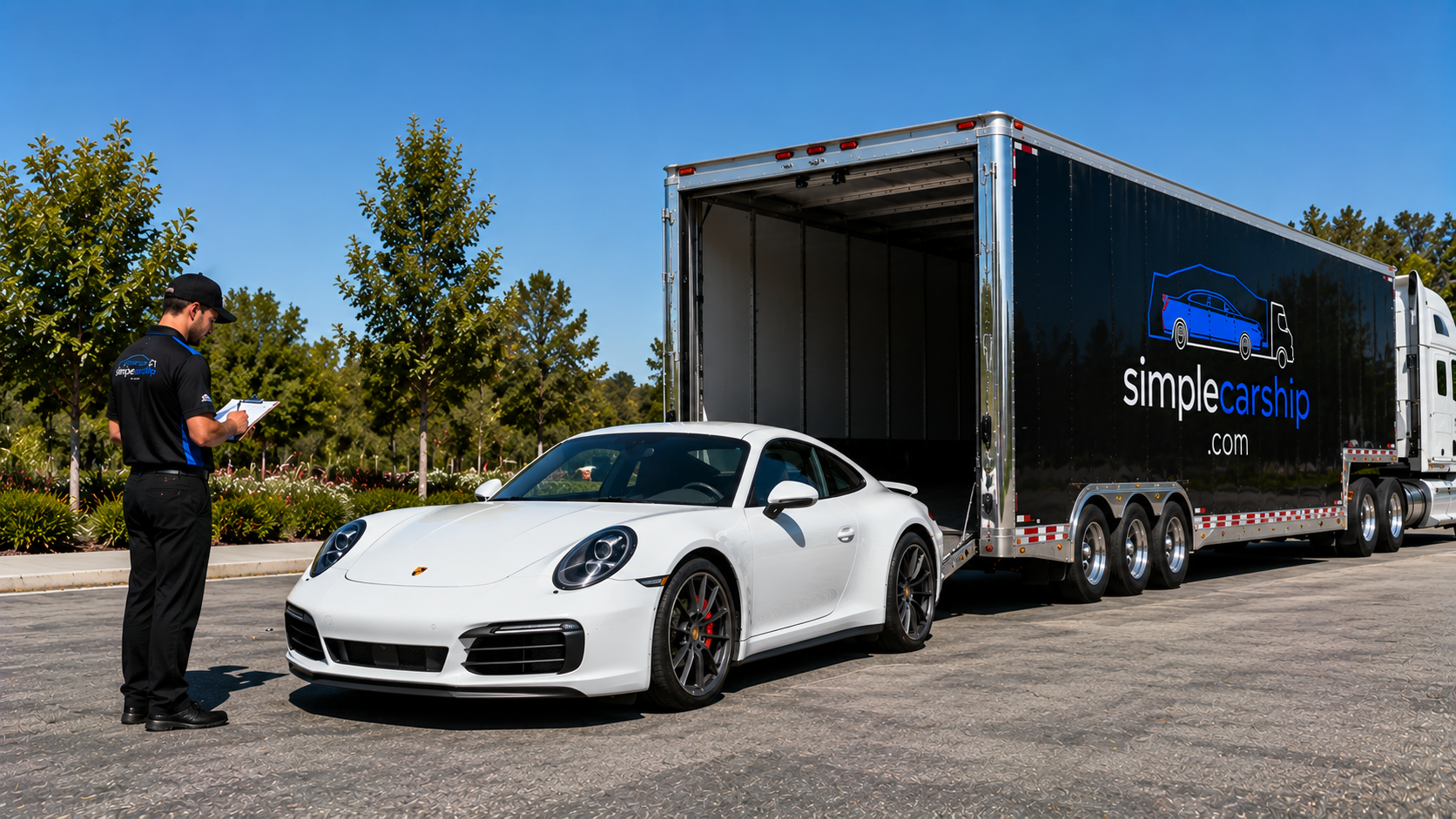
Enclosed transport makes sense if you’re moving a high-value vehicle, a classic with original paint, or a luxury car you want delivered showroom-clean. Enclosed carriers are smaller—usually two to four cars—and the hard-sided trailer shields your vehicle from rain, snow, and road debris. Because demand for enclosed is lower, you may wait an extra day for a carrier to consolidate a load, but once aboard, your car gets individual attention and soft tie-downs. Collector-car owners shipping a restored Mustang or Corvette from Maryland to an Ohio car show, or Tesla and Porsche owners who want zero cosmetic risk, routinely choose enclosed despite the premium.
| Feature | Open Transport | Enclosed Transport |
|---|---|---|
| Price (MD→OH) | $570–$690 | $910–$1,105 |
| Transit Time | 1–3 days | 1–3 days |
| Protection | Road-safe, weather-exposed | Fully enclosed, climate-shielded |
| Best For | Daily drivers, sedans, SUVs | Classics, luxury, high-value cars |
Pickup in Maryland and Delivery in Ohio
Most Maryland pickups happen in Baltimore and Rockville, the state’s two largest metro areas. Baltimore sits at the junction of I-95 and I-70, making it a natural staging point for westbound carriers. Rockville, just outside Washington D.C., serves the densely populated Montgomery County corridor and connects directly to I-270, which merges with I-70 west of Frederick. If you’re in Annapolis, Silver Spring, or Columbia, your carrier will route through one of these hubs. Rural pickups on the Eastern Shore or in Garrett County are possible but may add a day to scheduling and a modest surcharge.
On the Ohio side, carriers deliver to Columbus, Cleveland, and Cincinnati—the state’s three largest cities and the endpoints for the majority of inbound freight. Columbus lies directly on I-70, making it the fastest Ohio destination from Maryland. Cleveland adds a northbound leg via I-71, and Cincinnati sits at the I-71/I-75 interchange in the southwest corner. Dayton, Akron, and Toledo are also serviced regularly. Carriers typically offer door-to-door delivery in residential neighborhoods and business parks, provided the street can accommodate a 75-foot tractor-trailer. If your delivery address has low-hanging trees, tight turns, or weight-restricted roads, the driver will suggest a nearby shopping-center or parking-lot meet—common, easy, and built into the service at no extra charge.
Transit Time and Scheduling
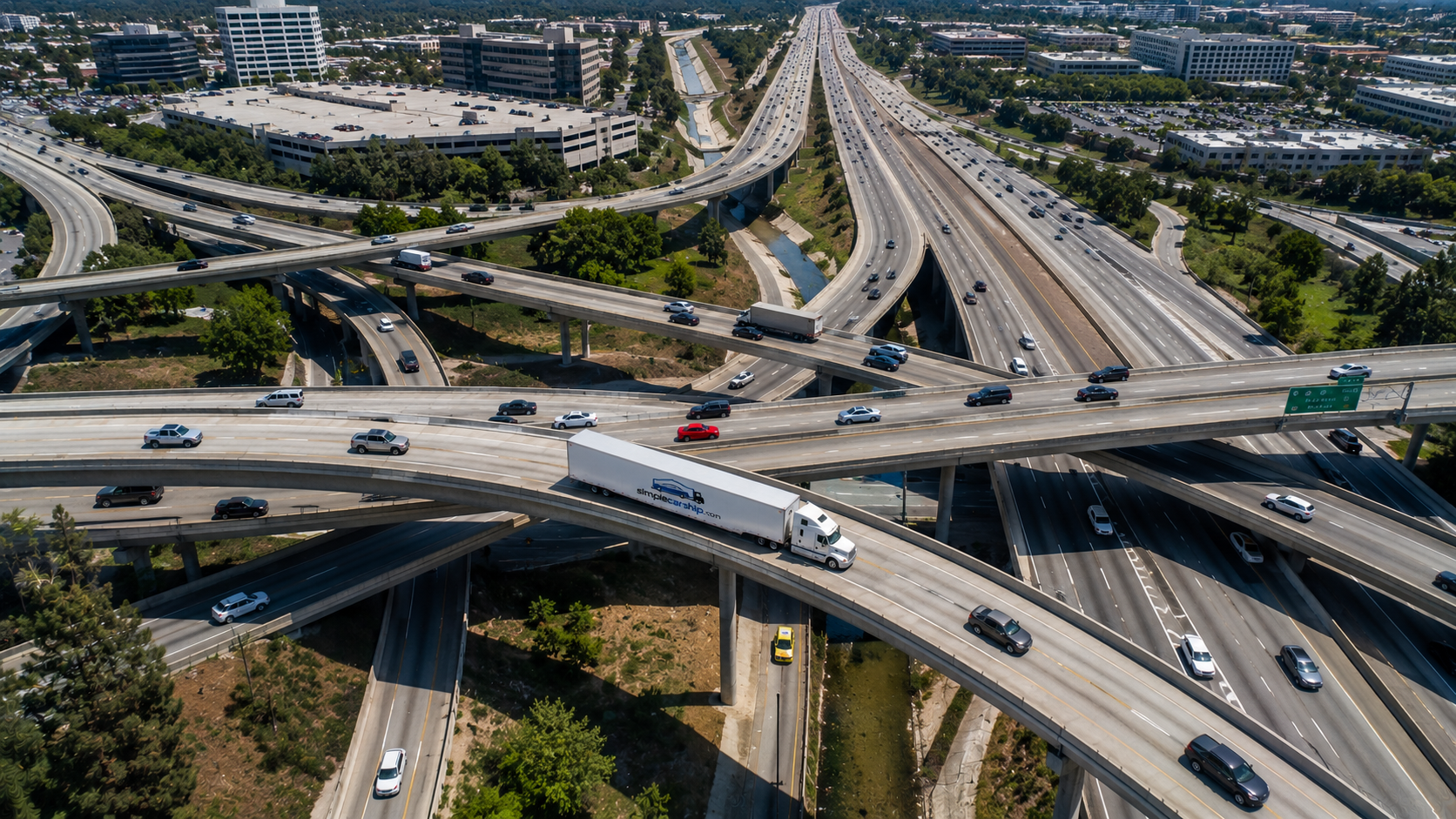
The Maryland–Ohio run takes 1 to 3 days in transit. Most shipments move in two days: pickup in Baltimore in the morning, overnight travel via I-70 through Hagerstown and across the Pennsylvania Panhandle, and delivery in Columbus or Cleveland the following afternoon. Single-day service is possible if your pickup and delivery cities align perfectly with a carrier’s existing route and the driver departs early, but two days is the norm. If the carrier is consolidating a multi-stop load—picking up two cars in Maryland and delivering three across Ohio—the window extends to three days.
Booking lead time is short on this route. Because I-70 is a primary east–west freight corridor and Ohio is a high-demand destination, carriers run it daily. You can typically secure pickup within 2–5 business days of placing your order. If you need expedited service—guaranteed pickup in 24–48 hours—it costs around $926 for open transport and puts you first in line. Expedited makes sense for job relocations, last-minute moves, or when your car sale closes on a tight deadline. Standard scheduling works fine for most customers and keeps costs in the $570–$690 range.
How Simple Car Ship Handles Maryland–Ohio Transport
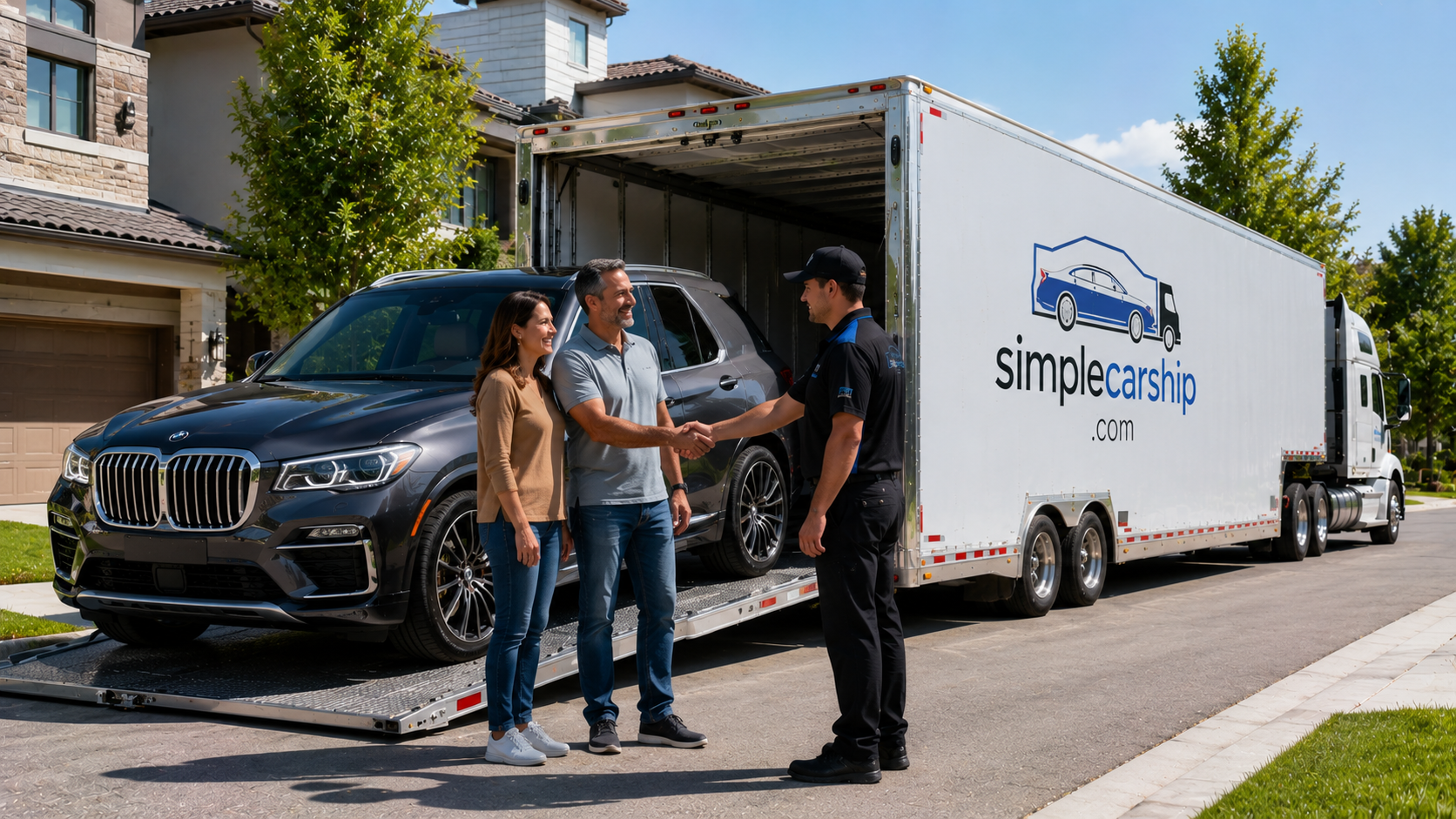
We broker this route daily, and we’ve spent years building relationships with the small and mid-size carriers who run I-70 and I-68. When you request a quote, you’ll get a real price based on the current week’s carrier availability—no bait-and-switch, no “price may vary” asterisks. Once you book, we assign a dedicated coordinator who matches your shipment with a vetted carrier, sends you the driver’s name and phone number before pickup, and stays available by text and email until your car is delivered. Your shipment isn’t a load number in a queue; it’s a single car we’re responsible for from door to door.
We hand-select carriers who carry at least $1,000,000 in cargo insurance, maintain current FMCSA authority, and have clean safety records. Before pickup, your coordinator walks you through the inspection process—you’ll document any existing scratches or dings on a condition report, and the driver will do the same at delivery so there’s never confusion. Most Maryland–Ohio shipments are uneventful, but if weather or a mechanical issue delays the truck, your coordinator calls you before you have to call us. That’s the difference between a broker who cares and one who disappears after the sale. Get a free quote now—real numbers, no runaround, same-day response.
Frequently Asked Questions
What is the average cost to ship a car from Maryland to Ohio?
Open transport averages $570 to $690 for the 403-mile route, while enclosed transport runs $910 to $1,105. Sedans and compact SUVs land at the lower end; larger trucks and inoperable vehicles push toward the higher end. Expedited open service costs approximately $926 for guaranteed 24–48 hour pickup, ideal for time-sensitive moves between Baltimore and Columbus or Cleveland.
How long does it take to ship a car from Maryland to Ohio?
Transit takes 1 to 3 days, with most shipments completing in two days. Single-day delivery is possible on direct Baltimore-to-Columbus runs if the carrier departs early and has no other stops. Three-day service applies when the carrier consolidates multiple pickups across Maryland or delivers to several Ohio cities. Booking to pickup typically takes 2–5 business days on standard scheduling.
Is my car insured during transport from Maryland to Ohio?
Yes. Licensed carriers are required to carry at least $1,000,000 in cargo insurance, which covers damage caused by accidents or carrier negligence during the 403-mile trip. Your personal auto policy may provide secondary coverage. Before pickup, you and the driver complete a detailed condition report documenting existing damage, and you repeat the inspection at delivery to verify your car arrived as loaded.
Can I put personal items in my car when shipping from Maryland to Ohio?
Carriers allow up to 100 pounds of personal items in the trunk or rear cargo area, below window level, at no extra charge. Items must not be visible—FMCSA regulations prohibit household goods in the cabin—and are not covered by the carrier’s cargo insurance. Avoid valuables, firearms, or perishables. Most customers moving between Maryland and Ohio use the trunk for lightweight boxes, saving a few trips in their own vehicle.
Should I choose open or enclosed transport for my Maryland–Ohio shipment?
Choose open transport ($570–$690) if you’re shipping a daily-driver sedan, SUV, or truck in normal use; 85% of customers on this route do. Choose enclosed transport ($910–$1,105) if you own a classic car, luxury vehicle, or high-value exotic that you want shielded from weather and road spray. The 403-mile route takes 1–3 days either way, so transit time is identical—only protection level and price differ.