How Much Does It Cost to Ship a Car from Florida to Oregon?
Shipping a car from Florida to Oregon costs between $2,790 and $3,400 for open transport, or $4,465 to $5,435 for enclosed carriers. The final price depends on your exact pickup and delivery cities, the size and weight of your vehicle, the season you’re shipping, and how quickly you need it delivered across 3,296 miles of American highway. Understanding what moves the price—and what you’re actually paying for—makes the difference between a smart decision and an expensive surprise.
Ship your car the simple way. Clear quotes. Real communication. No guesswork, no runaround.
Get your instant car shipping price
Real quote in seconds — no spam, no runaround.
What You’re Really Paying For: Florida to Oregon Car Shipping Costs Explained
The 3,296-mile journey from Florida to Oregon is one of the longest domestic routes in the continental U.S., stretching from the Southeast Atlantic coast to the Pacific Northwest. Distance is the single biggest factor in your price—carriers burn fuel, pay drivers, and tie up equipment for five to seven days on this cross-country haul. But mileage alone doesn’t tell the whole story. A compact sedan from Miami to Portland will sit at the lower end of the $2,790–$3,400 open-transport range, while a full-size SUV or heavy pickup adds $200 to $400 because it occupies more trailer space and adds weight. Enclosed transport—metal walls and a roof protecting your car from road spray, weather, and debris—nearly doubles the cost because enclosed carriers hold fewer vehicles per load and command premium rates for the added protection.
Seasonality shifts the market, too. Summer and early fall see heavy demand on westbound routes as people relocate for jobs, students head to college, and retirees move to the Pacific Northwest. Winter is quieter, and carriers sometimes discount rates to fill empty backhaul lanes. Your pickup and delivery locations matter: a condo in downtown Miami or a suburb of Portland with wide streets and easy truck access costs less than a rural address an hour outside Eugene, where the carrier may need to arrange a smaller shuttle truck. If you need your car in Portland within 72 hours, express service runs around $4,551—handpicking a driver already heading west and prioritizing your load over standard bookings.
Open vs. Enclosed Transport for a 3,296-Mile Cross-Country Route
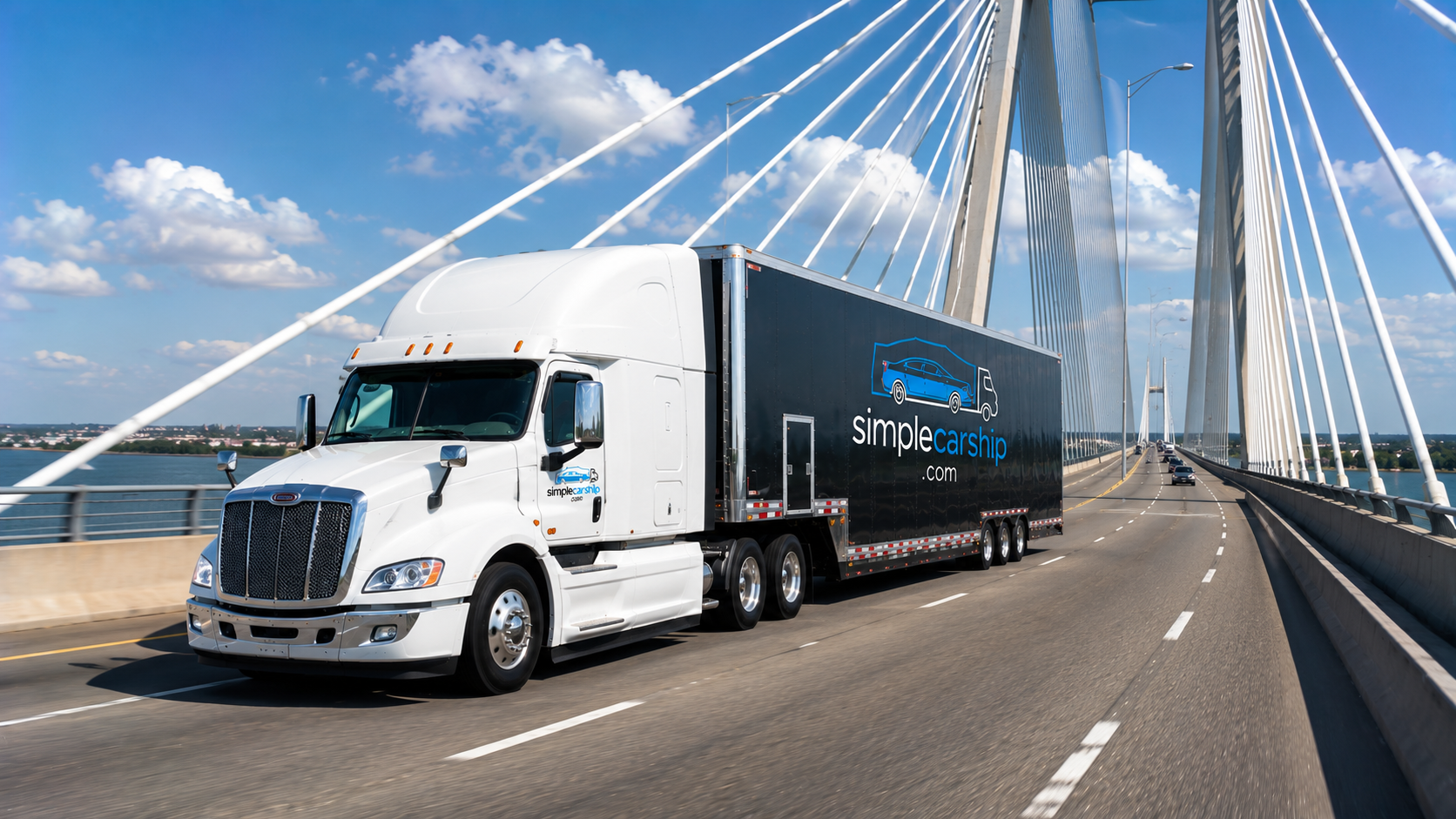
Open transport is how roughly 90% of cars move across the country, including dealer inventory and online-auction purchases. Your vehicle rides on a double-decker trailer, exposed to weather but secured with wheel straps and professionally loaded. For daily drivers, commuter cars, and most SUVs traveling from Florida to Oregon, open carriers deliver excellent value: the $2,790–$3,400 price reflects high availability, frequent departures, and a mature logistics network spanning I-10, I-40, I-84, and I-5. Rain, dust, and bugs are cosmetic nuisances, not damage—cars are built to drive in worse. Open transport is reliable, fast, and economical for the majority of shipments.
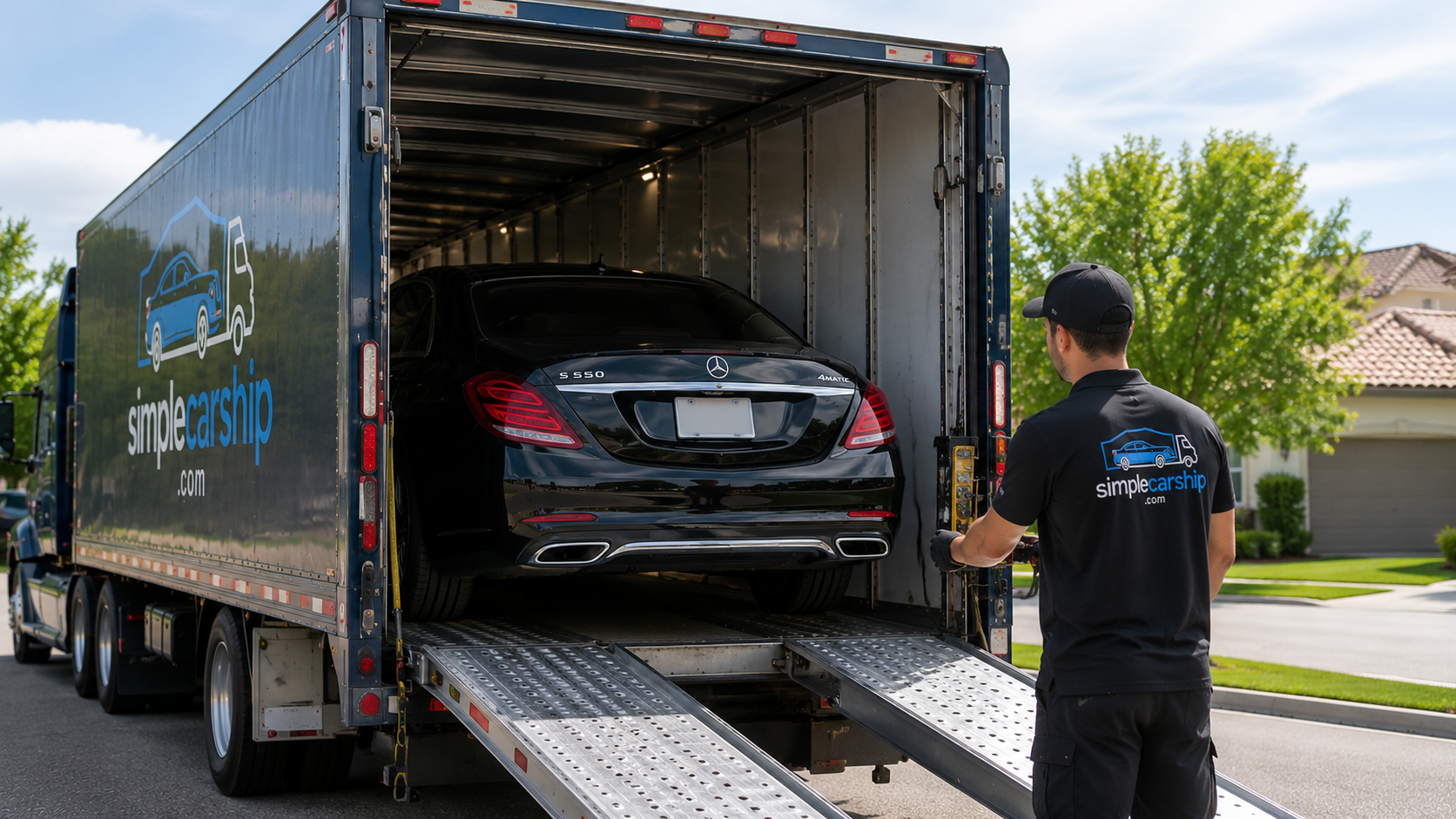
Enclosed transport makes sense when the stakes or the value justify the $4,465–$5,435 premium. Classic cars, luxury sedans, exotic sports cars, and pristine show vehicles belong inside a hard-sided trailer where road grit, rain, and flying debris can’t reach the paint. Enclosed carriers also reduce UV exposure and limit the number of times your car is handled—fewer vehicles per load means fewer stops and less risk. If you’re shipping a restored 1967 Mustang from Jacksonville to Portland or a $90,000 Tesla Plaid from Tampa to Eugene, the extra cost buys real peace of mind. Enclosed capacity is limited, so book early during peak summer months to secure a spot and lock in your rate.
| Feature | Open Transport | Enclosed Transport |
|---|---|---|
| Price (FL–OR) | $2,790 – $3,400 | $4,465 – $5,435 |
| Transit Time | 5–7 days | 5–7 days |
| Protection | Secured, weather-exposed | Fully enclosed, weather-proof |
| Best For | Daily drivers, SUVs, sedans | Classics, luxury, exotics |
Pickup in Florida, Delivery in Oregon: How the Logistics Work
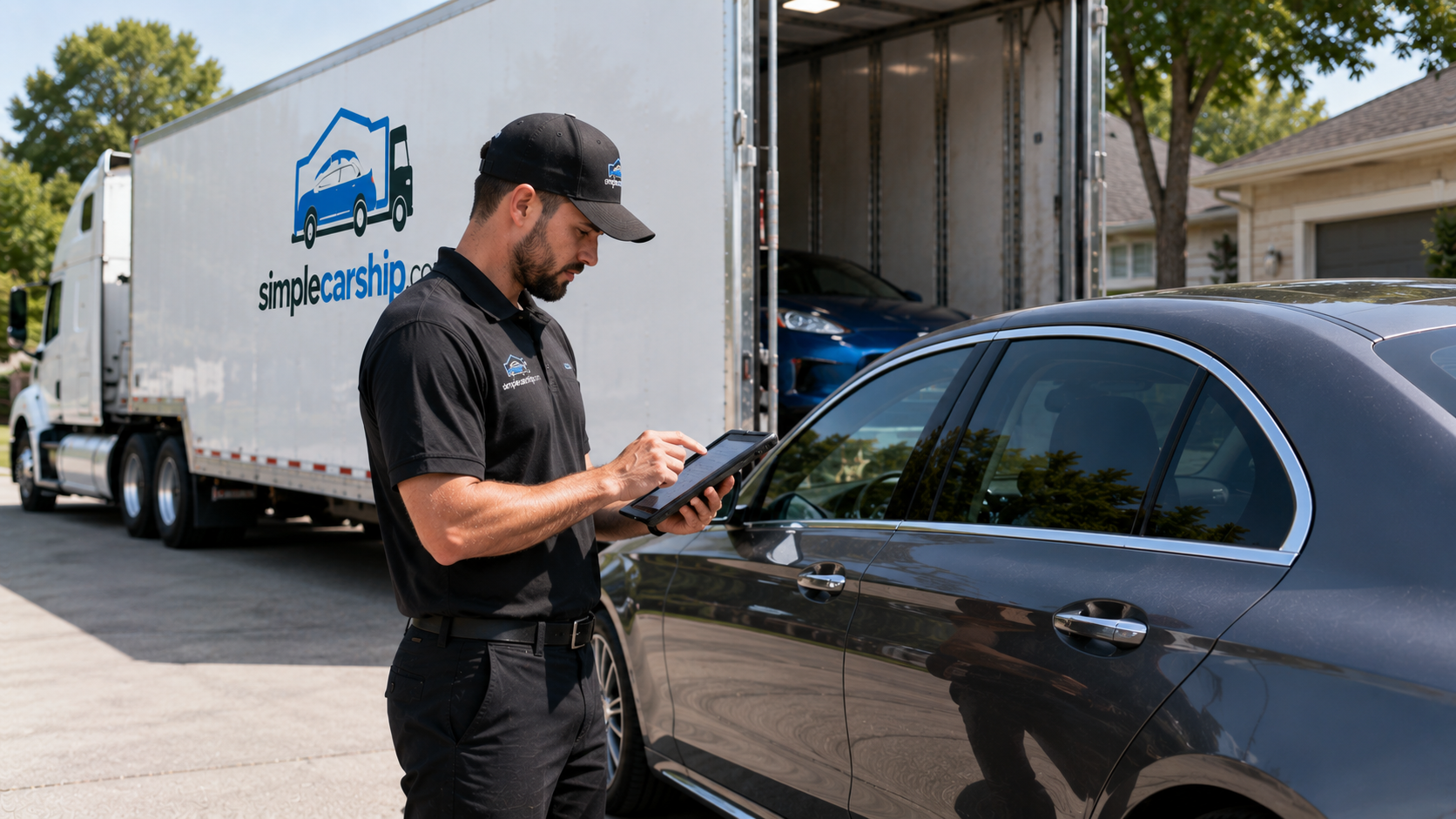
Florida’s four major metro areas—Miami, Orlando, Tampa, and Jacksonville—form a high-frequency pickup corridor with daily carrier availability. Trucks run regular loops through these cities, consolidating loads for western routes before heading onto I-10 across the Gulf states or I-75 north to connect with I-40. If you’re in a smaller town like Fort Myers or Daytona Beach, the carrier will either route through the nearest metro hub or arrange a local meet point along a main highway. Pickup windows are typically 24 to 48 hours; you’ll receive a call the day before with a two-to-four-hour arrival window. Inspect your car together with the driver, note any pre-existing damage on the bill of lading, remove personal items (they’re not insured and add weight), leave a quarter tank of gas, and hand over the keys.
On the Oregon side, Portland and Eugene anchor delivery operations. Portland sits at the intersection of I-5 and I-84, making it the natural endpoint for transcontinental carriers. Eugene, 110 miles south, is a common final-mile destination with good truck access and a steady flow of inbound auto transport. Smaller communities like Bend, Salem, or the Oregon coast may incur a regional delivery fee ($75–$150) if the main carrier can’t navigate narrow roads or low-clearance areas. Delivery is by appointment; you’ll get 12 to 24 hours’ notice and must be present to sign off and inspect your vehicle before the driver leaves. Your shipment isn’t a load number—real human support means you’ll know exactly where your car is and when it’s arriving.
Transit Time and What Affects Your Florida-to-Oregon Schedule
Expect five to seven days in transit for the 3,296-mile run. The route typically follows I-10 west to Phoenix, I-40 through Albuquerque and Flagstaff, then I-84 and I-5 north into Oregon. Drivers log up to 500 miles per day under federal hours-of-service rules, with mandatory rest breaks, so a straight shot would take roughly seven driving days—but most carriers optimize by consolidating pickups and deliveries along the way. A truck leaving Miami on Monday often reaches Portland by the following Monday or Tuesday, barring weather delays or mechanical issues. Winter storms in the Rockies or across northern Arizona can add a day; summer wildfire smoke rarely stops traffic but may slow passage through Oregon’s Cascade passes.
If your timeline is non-negotiable—job relocation, a closing date on a home purchase, or a scheduled event—express service at $4,551 assigns a dedicated driver or priority slot on a truck already westbound. Express cuts transit to the lower end of the range (often five days) and tightens the delivery window. Standard bookings work on a first-available basis: once you confirm your order, Simple Car Ship matches you with a hand-selected, fully insured carrier within 24 to 72 hours. You’ll receive the driver’s name, truck number, and direct contact before pickup, so there’s never confusion about who’s handling your car or where it is along the route.
Why Simple Car Ship for Your Florida-to-Oregon Shipment
Most brokers treat your car like a commodity—post it on a load board, let the lowest bidder grab it, then disappear until delivery (maybe). We work differently. Every carrier we assign is vetted for active FMCSA authority, current cargo insurance, and a clean safety record. We don’t dispatch your vehicle to a stranger we found five minutes ago on a brokerage platform. You get the driver’s credentials up front, a single point of contact at Simple Car Ship who knows your route, and real answers when you call or text. No runaround, no voicemail jail, no offshore call center reading scripts.
Our quote system shows you the honest range—$2,790 to $3,400 open, $4,465 to $5,435 enclosed—based on current fuel costs, lane demand, and your specific pickup and delivery metros. We’ll tell you if your delivery address adds a shuttle fee or if booking two weeks out saves $200 compared to next-day dispatch. Transparency isn’t a marketing word here; it’s how we keep customers calm when they’re handing a $30,000 asset to someone they’ve never met. Get a clear quote now—no phone tag, no pressure, no fine print that rewrites the price later.
Frequently Asked Questions: Shipping a Car from Florida to Oregon
How much does it cost to ship a car from Florida to Oregon?
Open transport costs between $2,790 and $3,400, while enclosed transport runs $4,465 to $5,435 for the 3,296-mile route. Your final price depends on vehicle size, exact pickup and delivery cities, season, and how quickly you need delivery. Compact sedans sit at the lower end; large SUVs or expedited service push toward the higher range.
How long does it take to ship a car from Florida to Oregon?
Transit takes five to seven days. Carriers follow I-10 west, then I-40 and I-84 north, covering roughly 500 miles per day under federal hours-of-service regulations. Weather in the Rockies or northern Arizona can add a day in winter. Express service prioritizes your load and typically delivers within five days at a premium rate of $4,551.
Should I choose open or enclosed transport for this route?
Open transport works well for daily drivers, commuter cars, and most SUVs—it’s reliable and costs $2,790 to $3,400. Enclosed transport, at $4,465 to $5,435, protects classics, luxury vehicles, and exotics from road debris, weather, and UV exposure across 3,296 miles. Choose enclosed if your car’s value or condition justifies the added expense.
Which Florida and Oregon cities have the best carrier availability?
Miami, Orlando, Tampa, and Jacksonville in Florida offer daily departures and competitive pricing because carriers run regular routes through these metros. In Oregon, Portland and Eugene are primary delivery hubs with excellent truck access. Smaller towns may incur a $75–$150 shuttle fee if the main carrier can’t navigate local roads safely.
When is the cheapest time to ship a car from Florida to Oregon?
Winter and early spring see lower demand on westbound routes, and carriers sometimes discount rates to fill backhaul capacity. Summer and early fall are peak seasons—college moves, job relocations, and retirees heading to the Northwest—so prices climb and carrier availability tightens. Booking three to four weeks ahead often saves $150 to $300 regardless of season.