Best Car Shipping Companies: How to Choose a Reliable Auto Transport Service
Choosing the best car shipping company isn’t about who screams “lowest price” the loudest—it’s about finding a service that delivers what it promises, communicates clearly, and treats your vehicle like more than a load number. The best carriers combine transparent pricing, proven safety records, and real human support when questions come up.
This guide breaks down what actually separates reliable auto shippers from the rest, what you should expect to pay, and how to evaluate companies before you hand over your keys.

Get your instant car shipping price
Real quote in seconds — no spam, no runaround.
What Makes a Car Shipping Company “Best” (And What Doesn’t)
The phrase “best car shipping company” gets thrown around by every broker with a website, but the criteria that matter are straightforward: carrier vetting, communication quality, damage claim rates, and whether the price you’re quoted is the price you pay.
Reliability starts with the carrier network. Reputable shipping services work exclusively with licensed, insured motor carriers—verifiable through FMCSA records—and assign shipments based on route expertise and equipment quality. The best companies staff real dispatch teams who communicate pickup windows, driver contact info, and delivery updates without you having to chase them down.
Transparency around pricing and process is non-negotiable. The best auto shipping companies provide clear quotes that account for your specific route, vehicle type, and transport method—no bait-and-switch tactics. They explain what’s included, what could change the cost, and what happens if weather or mechanical issues delay the truck.
What Car Shipping Costs (And What Moves the Price)
Nationwide, open transport typically runs $500–$1,800 depending on distance. Short hauls under 500 miles generally land in the $500–$700 range, while cross-country shipments run $1,300–$1,800. Enclosed transport costs 30–60% more. These ranges reflect fuel, driver time, truck capacity, and the competitive market for each lane.
Several factors push price up or down. Distance is the foundation, but vehicle size and condition matter too—a lifted truck takes more deck space than a sedan, and an inoperable car requires a winch and extra labor. Seasonality creates spikes: snowbird routes to Florida between October and April see increased demand and higher rates. Pickup and delivery accessibility also play a role; a suburban driveway costs less than a remote location requiring a smaller truck or shuttle.
Beware of quotes that sit far below these ranges without a clear reason. Lowball prices often mean the broker is fishing for your deposit, then calling back later to say “the carrier needs more” or assigning your car to an underinsured truck.
How to Evaluate Auto Shipping Companies: A Real Decision Framework
Start by verifying the company is a licensed broker or carrier. Both need USDOT numbers and active FMCSA registration, which you can check for free on the FMCSA website. Legitimate services publish their credentials openly and carry broker bonds or carrier insurance that meet federal minimums.
Next, assess their quoting and communication process. Request quotes for your exact route and vehicle type, then compare not just price but what’s included—insurance coverage limits, pickup window guarantees, cancellation policies. The best companies ask detailed questions: Is your car operable? Are the pickup and delivery locations accessible to a full-size truck? If a quote arrives instantly with zero questions asked, it’s a template, not a real assessment.
Finally, look at reviews with a critical eye. Check Google, Better Business Bureau, and Transport Reviews. Watch for patterns: Do complaints mention surprise fees, unresponsive dispatchers, or damage claims that went unresolved? Repeated issues around the same theme signal the company’s process is broken.
Open vs. Enclosed Auto Transport: When Each Makes Sense
Open transport is the industry standard—your car rides on an exposed multi-level trailer alongside other vehicles. It’s safe, efficient, and significantly less expensive, accounting for roughly 90% of all shipments. Open carriers are widely available on nearly every route, meaning faster pickup and more competitive pricing. For daily drivers and standard vehicles, open transport is the practical choice.
Enclosed transport makes sense when your vehicle’s value, condition, or your own peace of mind justify the premium. Classic cars, luxury or exotic vehicles, low-clearance sports cars, and freshly restored projects benefit from full protection against weather, road debris, and sun exposure. Enclosed trailers carry fewer vehicles, so your car gets more careful handling. The 30–60% cost increase reflects both the specialized equipment and reduced capacity per load.
Your decision should weigh the vehicle’s value against the cost difference. A 2015 Camry doesn’t need enclosed service. A 1967 Mustang you’ve spent two years restoring probably does.
Timing, Pickup, and What to Expect During Transport
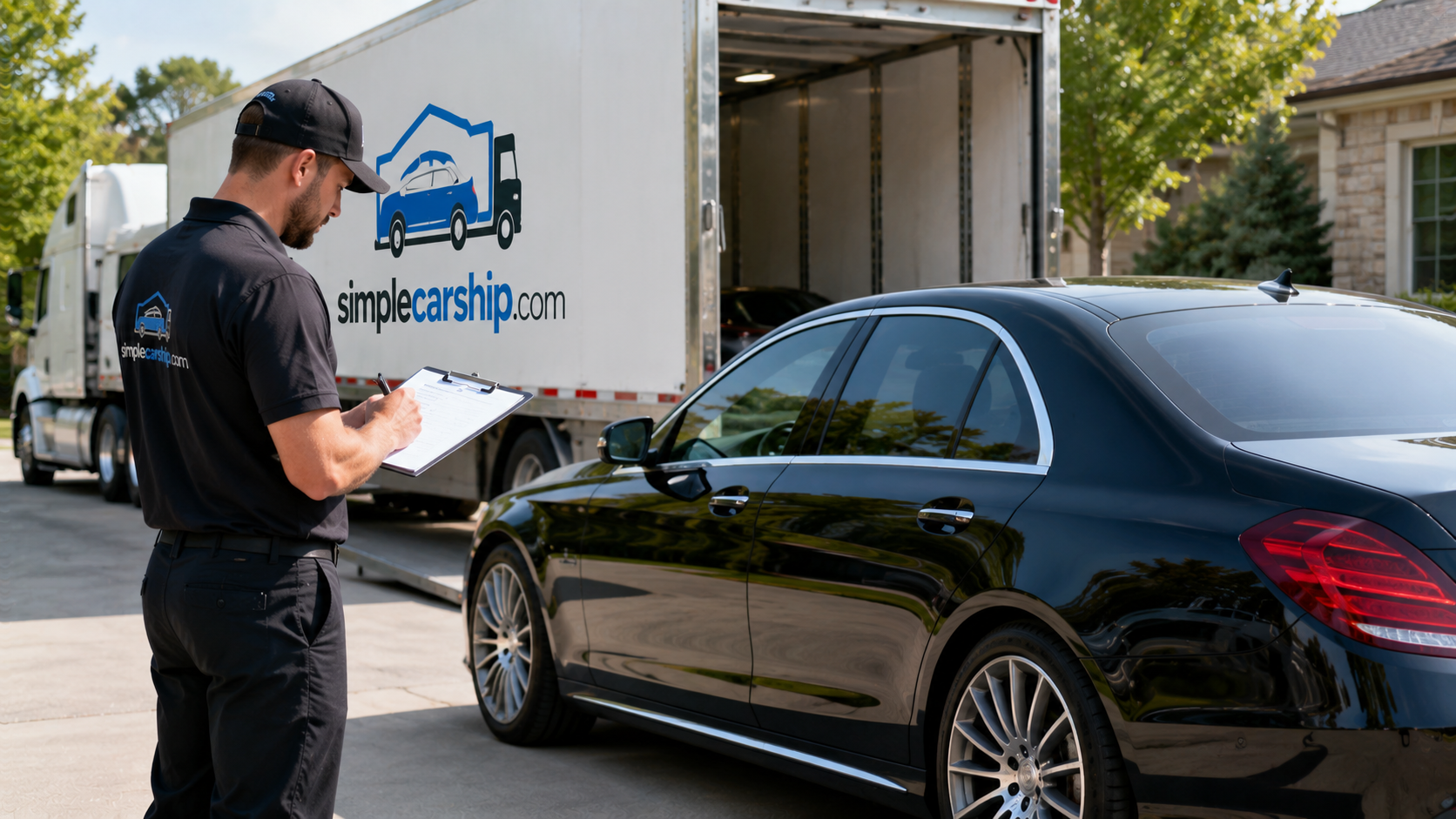
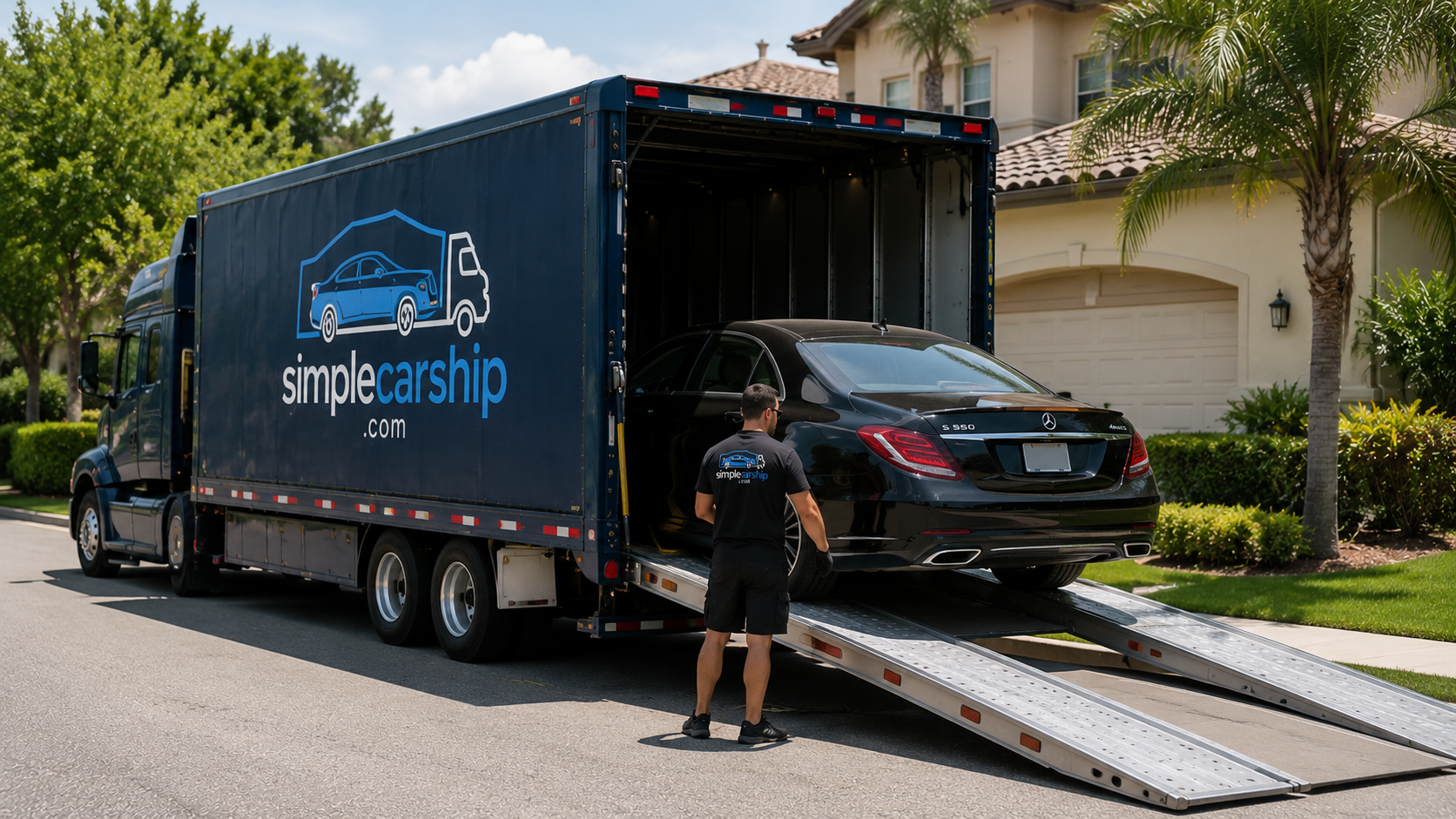
Most car shipments book with a pickup window—typically one to five days from your first available date. Carriers run regular routes and consolidate loads to maximize efficiency. Once dispatched, you’ll receive driver contact info, usually 24 hours before arrival, and coordinate a specific pickup time. The driver inspects your vehicle, documents existing damage on a Bill of Lading you both sign, then loads and secures the car.
Transit time depends on distance. Regional moves under 500 miles often deliver in one to three days. Cross-country shipments typically take seven to ten days, though weather and required rest breaks can extend that. Reliable companies provide tracking updates and driver contact info so you’re never wondering where your car is.
Prepare your vehicle before pickup: remove personal items (they’re not insured), leave about a quarter tank of gas, disable toll tags and alarms, and document your car’s condition with photos. These steps prevent disputes and make the process smoother.
How Simple Car Ship Approaches Auto Transport
We built Simple Car Ship to work the way you’d expect a car shipping company to work if the industry weren’t cluttered with bait-and-switch brokers and vanishing customer service. You get a clear quote based on real route data and current market conditions. Once you book, you’re assigned a dedicated coordinator who vets carriers for your specific shipment, checking insurance, equipment, and route history before assigning your car.
We work exclusively with licensed, insured carriers we’ve vetted and used successfully. When your pickup window opens, we provide driver details and direct contact info. If weather or logistics shift the timeline, you hear it from us first, with a real explanation and realistic update.
Our support is human, accessible, and actually responsive. Questions get answered by people who know your shipment. We’re not the cheapest option on every route, because we don’t cut corners that create problems. We’re the option that does what we say and treats car shipping like the service business it should be.
| Factor | What to Look For | Red Flags |
|---|---|---|
| Licensing | Active USDOT and MC numbers, verifiable on FMCSA | No registration info, mismatched business names, expired authority |
| Quoting | Route-specific price with clear explanation of what’s included | Instant quote with no questions, price far below market, vague “deposit to lock rate” |
| Communication | Dedicated contact, proactive updates, driver info before pickup | Generic emails, unreturned calls, no tracking or driver details |
| Carrier Vetting | Hand-selected, insured carriers with verified safety records | “We’ll find you the cheapest carrier,” no carrier details until last minute |
Popular car-shipping routes
- Phoenix To Chicago car shipping
- New York To Atlanta car shipping
- Atlanta To New York car shipping
- North Carolina To Texas car shipping
- Texas To North Carolina car shipping
- Cost to ship a car from California To Maryland
- Cost to ship a car from California To Missouri
- Cost to ship a car from Maryland To California
- Cost to ship a car from Missouri To California
- Cost to ship a car from Arizona To Texas
Ready to Ship Your Car the Simple Way?
Get a transparent quote based on your actual route and vehicle—no gimmicks, no runaround. Our team will walk you through options, answer your questions in plain English, and assign a carrier we’d trust with our own cars. Request your quote now and see what straightforward car shipping looks like.
Frequently Asked Questions
How do I know if a car shipping company is legitimate?
Verify the company holds an active USDOT number and, if they’re a broker, an MC number registered with the FMCSA. Check these for free on the FMCSA website. Legitimate companies publish these numbers on their website and carry required broker bonds or carrier insurance. Review their Better Business Bureau standing and check for patterns in customer reviews—repeated complaints about bait-and-switch pricing or unresponsive service are serious warning signs.
What’s the difference between a broker and a carrier?
A carrier owns and operates the trucks that physically transport your vehicle; a broker arranges shipments by connecting you with carriers in their network. Both are legal and common. What matters is whether the broker properly vets carriers for insurance, safety records, and equipment quality, and provides transparent communication throughout. A good broker offers more route options and competitive pricing; a bad one disappears after taking your deposit.
Why do car shipping quotes vary so much between companies?
Quotes vary because companies use different carrier networks and assess routes with varying accuracy. Some brokers lowball quotes to secure deposits, then claim “the carrier needs more money.” Others provide realistic pricing based on current fuel costs, seasonal demand, and actual carrier availability. Distance, vehicle size, transport type, and pickup/delivery locations all influence cost. If one quote is hundreds below others with no clear explanation, it’s likely a bait tactic.
How far in advance should I book car shipping?
For most routes, booking one to three weeks ahead gives you the best balance of availability and pricing. Last-minute bookings limit carrier options and often cost more. During peak seasons (snowbird migrations October through April, summer moving season), book three to four weeks out. For specialized routes like Alaska or Hawaii, even earlier booking helps secure reliable carriers.
What insurance covers my car during shipping?
All licensed carriers must carry cargo insurance, typically $750,000 to $1 million per load. This covers damage caused during transport—accidents, improper loading, or securement failures. Normal wear, pre-existing damage, and personal items are not covered. Photograph your vehicle thoroughly before shipping and review the carrier’s insurance certificate. If your car’s value exceeds standard coverage, you can purchase supplemental insurance, though it’s rarely necessary for standard vehicles.
Can I put personal items in my car during shipping?
You can place items in the trunk up to about 100 pounds, but carriers discourage it and those items aren’t covered by insurance. Personal belongings add weight and create liability issues if they shift and damage your interior or get stolen. Most carriers note on the Bill of Lading that personal items are transported at your own risk. Keep the car empty except for standard equipment, or accept that anything you pack is unprotected.
What happens if my car is damaged during transport?
Inspect your vehicle carefully at delivery before signing the Bill of Lading, and note any new damage immediately—take photos and describe it in writing on the form. Once you sign without noting damage, proving it happened in transit becomes nearly impossible. If you document damage at delivery, file a claim with the carrier’s insurance within the specified timeframe (usually a few days). A reputable shipping company will help facilitate the claim. Claims are typically resolved within a few weeks, with repairs covered up to policy limits.