
Shipping a Classic or Luxury Car the Right Way
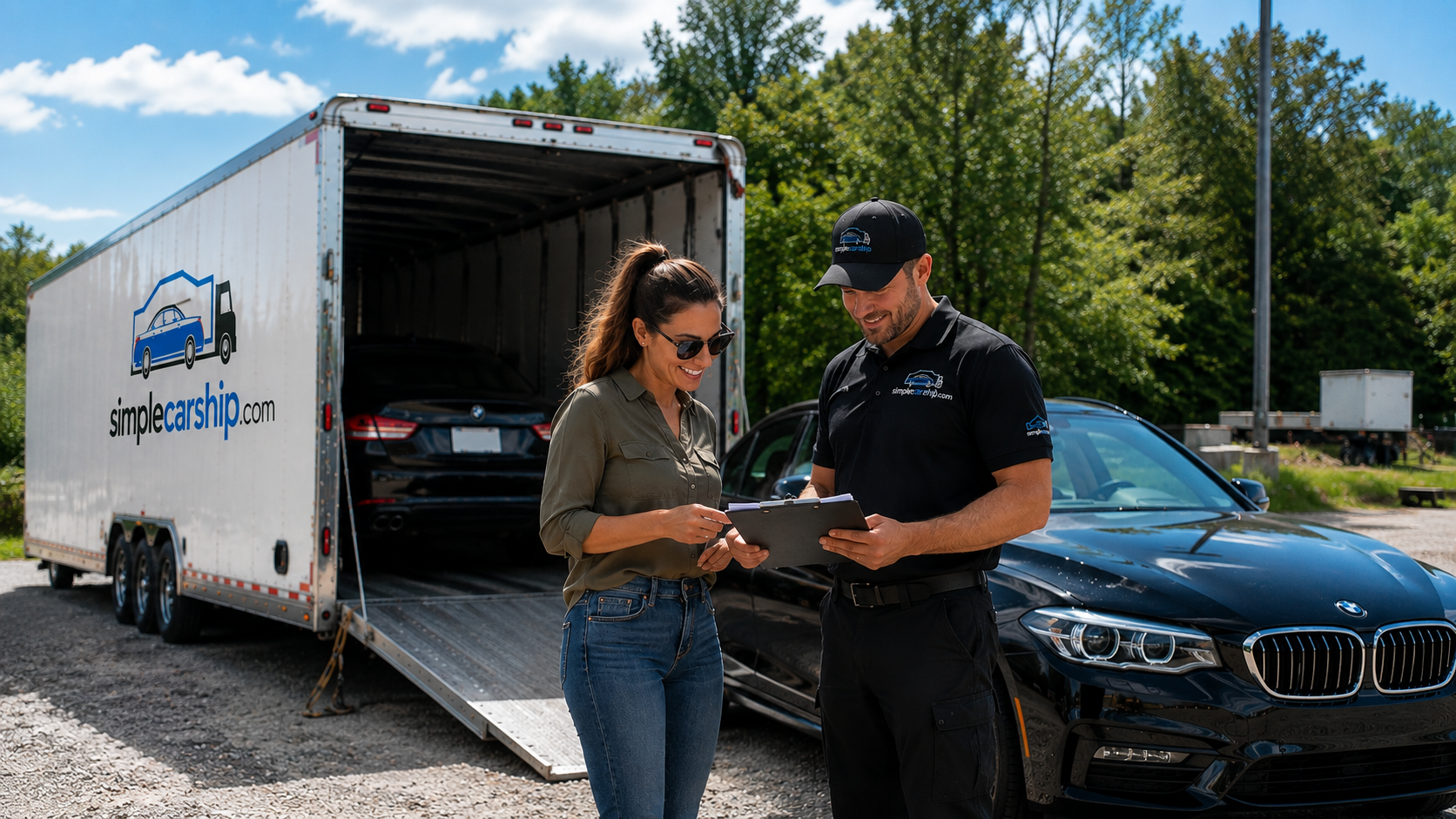
When you’re moving a vintage Porsche, a numbers-matching Chevelle, or a high-value luxury car, the margin for error disappears. Classic car shipping is not the same as hauling a daily driver—your collector vehicle needs enclosed protection, soft tie-downs, experienced handlers, and often additional insurance beyond the carrier’s standard cargo policy. This guide walks through the practical mechanics of transporting irreplaceable cars, so you know what to specify when you book and what to verify before your car rolls onto the trailer.
Why Enclosed Transport Is the Standard for Classics
Open car carriers expose vehicles to road debris, weather, and dust over hundreds or thousands of miles. For a classic or luxury car—especially one with original paint, a recent restoration, or a six-figure value—that exposure isn’t worth the cost savings. Enclosed trailers eliminate nearly all environmental risk: your car rides inside a box trailer with roll-up doors, shielded from stones, rain, and sun.
Enclosed transport runs about 60% higher than open, according to our 2026 Car Shipping Cost Index, but the premium buys more than a roof. Enclosed carriers typically haul fewer cars per load—often two to six vehicles instead of eight to ten—which means fewer stops, less handling, and drivers who specialize in high-value freight. Many enclosed fleets also maintain climate control or at least insulation, which matters if you’re shipping through extreme summer heat or winter cold.
When you request a quote, confirm that “enclosed” means a fully boxed trailer, not a soft-sided tarp setup. Soft sides still let in dust and moisture; hard-wall aluminum or steel enclosures are what collectors expect.
Soft Tie-Downs and Load-Floor Protection
Standard open carriers secure cars with chain binders wrapped around the axles or suspension arms. That’s fine for modern unibody sedans, but classic cars—especially those with chrome bumpers, undercoating, or lowered suspensions—can suffer scratches or stress from metal chains. Ask whether the carrier uses wheel straps or soft ties instead. Wheel straps loop over the tires and attach to deck winches, eliminating any metal-to-metal contact with your car’s chassis.
Similarly, the trailer deck itself should be clean and padded if you’re shipping a low-clearance vehicle. Some enclosed haulers lay down carpet remnants or rubber mats to prevent scrapes when loading. If your car has a front air dam, side skirts, or an exhaust that hangs below the frame rails, measure your ground clearance and share that number with the dispatcher. Hydraulic lift-gates or low-angle ramps help, but the driver needs to know the clearance in advance so he can plan the load sequence.
Carrier Experience and Vetting
Not every truck driver has loaded a classic car. The skills that matter include knowing how to distribute weight on a multi-car trailer without overloading one axle, understanding which tie points are safe on older frames, and recognizing when a car needs to go on top (to avoid fluid drips from a vehicle above). When you book classic car shipping, ask the broker or carrier how many high-value vehicles they move annually and whether their drivers hold dedicated enclosed-transport experience.
Reputable carriers in this segment carry FMCSA authority, maintain active cargo insurance, and will provide you with a copy of their insurance certificate before pickup. That certificate shows the policy limit and the effective dates—verify both. The driver should also perform a joint inspection with you at pickup, documenting every existing scratch, dent, or paint chip on a condition report, often called a bill of lading. Sign only after you’ve walked around the car together and confirmed that every mark is noted; that document becomes your baseline if a claim arises.
Insurance: Cargo Coverage vs. Supplemental Policies
Federal law requires motor carriers to carry cargo insurance, but the minimum does not come close to covering a high-value or exotic vehicle. Most enclosed carriers maintain policies well above the federal floor, yet even a robust cargo policy may cap coverage per vehicle or include a deductible. Before you hand over the keys, request a certificate of insurance in writing and read the per-vehicle limit.
If your car’s appraised value exceeds that limit—or if you simply want zero-deductible peace of mind—purchase supplemental collector-car transit insurance. Specialist insurers offer single-trip policies that cover agreed value during loading, transit, and unloading. You’ll need a recent appraisal or bill of sale to establish the insured amount. This extra policy costs more, but it closes the gap between the carrier’s ceiling and your car’s true replacement cost. Keep both the carrier’s certificate and your supplemental policy documents in hand during pickup and delivery.
Documentation and Pre-Shipment Prep
Classic car shipping goes more smoothly when you prepare a paper trail. Gather your title or registration, proof of ownership, any appraisal letters, and photographs of the car from all angles in good light. Email those photos to yourself with a date stamp; they serve as independent condition evidence if the shipping documents are ever disputed.
Mechanically, your car should be in rolling condition—brakes holding, steering free, tires inflated—even if the engine doesn’t run. Let the carrier know in advance if the vehicle is non-operational; they’ll bring a winch, but they also need to plan load time and deck position. Remove or secure any loose trim, antennas, spoilers, or mirrors that might vibrate off during transport. Empty the trunk and cabin of personal items; carrier insurance typically excludes belongings left inside, and extra weight can shift during transit.
Finally, leave only about a quarter tank of fuel. A full tank adds unnecessary weight and increases fire risk in the unlikely event of a road incident. A quarter tank gives the driver enough fuel to roll the car on and off the trailer without running dry.
Booking Timeline and Seasonal Considerations
Enclosed carrier capacity is tighter than open-transport capacity, especially during classic-car auction season and the winter snowbird migration. If you need your car moved for a specific event—Pebble Beach, Barrett-Jackson, a rally—book at least three to four weeks ahead. Last-minute enclosed loads often mean either paying a significant premium or waiting until a truck has an open slot heading your direction.
Seasonally, summer and early fall see the heaviest demand for collector-car moves, while late autumn and winter can offer better availability, though you’ll want to avoid ice-belt routes if your car has no antifreeze or if you’re worried about road-salt exposure during loading stops. Flexible pickup and delivery windows give carriers room to consolidate loads efficiently, which can hold your price down even during peak months.
Delivery Inspection and Claims
When the truck arrives at your destination, inspect the car in daylight before you sign the delivery receipt. Compare the actual condition against the pickup bill of lading, photo by photo and line by line. Look for new chips, scratches, dents, or fluid leaks. Check door gaps, panel alignment, and undercarriage components if the car was lowered.
If you find new damage, note it explicitly on the delivery paperwork—write a description and circle the area on the vehicle diagram—and take time-stamped photos immediately. Do not sign “received in good condition” if it was not. Most cargo insurance claims require written notice within a short window, often twenty-four to seventy-two hours, so document and report the same day. A calm, factual tone and clear evidence (your pre-shipment photos plus the signed bill of lading) will move the claim forward much faster than a phone argument.
Get your instant car shipping price
Real quote in seconds — no spam, no runaround.
Frequently Asked Questions
What makes enclosed transport better for a classic car than open?
Enclosed trailers shield your vehicle from weather, road debris, and dust during transit. They also carry fewer cars per load, which means less handling and drivers who specialize in high-value freight. The hard-wall construction prevents the paint and trim damage that open racks can allow.
Do I need extra insurance when shipping a collector vehicle?
Carriers hold cargo insurance, but the per-vehicle limit may fall short of your car’s appraised value. Supplemental collector-car transit insurance covers the gap on an agreed-value basis, often with no deductible. Request the carrier’s certificate first, then decide if a separate policy makes sense for your situation.
Can the carrier transport a non-running classic car?
Yes, but you must disclose that the car is inoperable when you book. The driver will use a winch to load and unload, and the truck will position your vehicle where the winch cable can reach. Non-runners sometimes add to the price because loading takes longer and limits deck-space options.
How far in advance should I book enclosed classic car shipping?
Three to four weeks is ideal, especially during auction season or snowbird migration. Enclosed capacity is limited, and last-minute requests either command premium pricing or face longer wait times. Flexible dates help carriers consolidate loads and can keep your cost closer to average market rates.
What should I look for on the bill of lading at pickup?
Walk the car with the driver and confirm that every existing scratch, dent, or paint flaw is written down and marked on the vehicle diagram. Sign only when the condition report is accurate and complete; that document is your baseline if you need to file a damage claim at delivery.
Get Your Classic Car Shipping Quote
Protecting a collector or luxury vehicle during transport comes down to choosing the right equipment, the right carrier experience, and the right insurance coverage. When you’re ready to move your car, get an instant quote from Simple Car Ship. Our network includes vetted enclosed-transport specialists who understand the care your classic deserves, and our team will walk you through insurance certificates, tie-down methods, and every detail that matters before your car leaves the driveway.