
Shipping a Car You Bought from a Dealer or Auction
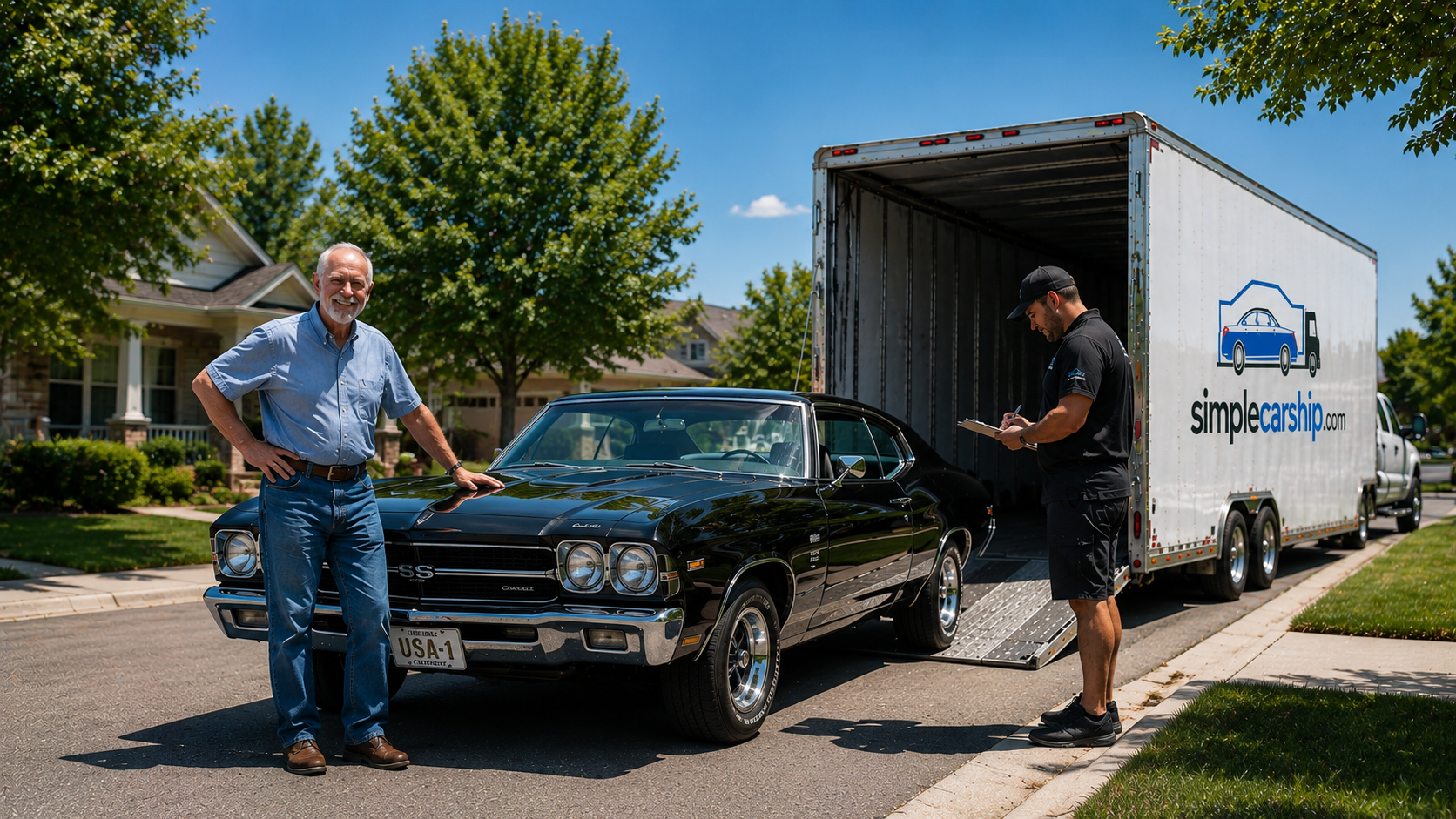
Buying a car sight-unseen from a dealer lot or auction yard means you’ll need to arrange transport from a location you may never visit in person. The process isn’t complicated, but it requires coordination with the seller, clear documentation, and a carrier who understands commercial-lot pickups. Here’s how to set up the shipment, get your car released, and inspect it when it arrives—even when you never stood in the same parking lot.
Why Remote Purchases Require Extra Coordination
When you buy from a private seller at their home, pickup is straightforward: the driver meets the owner, hands over a receipt, and loads the car. Dealer lots and auction yards operate differently. They enforce strict gate policies, often require advance notice, and may charge storage fees if your carrier misses the pickup window. The seller won’t wait by the door; you’ll need a bill of sale, a release authorization, and sometimes a gate pass emailed to the driver before the lot will hand over the keys.
The core challenge is that three parties—you, the seller, and the carrier—must exchange information without everyone being physically present. Missed details like a wrong VIN on the gate pass or an expired power-of-attorney form can delay pickup by days and trigger storage penalties.
Documentation You’ll Need Before the Carrier Arrives
Start by confirming with the dealer or auction house exactly what paperwork they require for vehicle release. Most will ask for:
- Bill of sale showing you as the new owner, with matching VIN
- Payment confirmation or a cashier’s check receipt proving the transaction cleared
- Signed release authorization if the title hasn’t yet transferred—many auctions use a power-of-attorney form that names the transport driver as your agent
- Gate pass or pickup order emailed directly to the carrier, listing driver name, truck number, and appointment time
- Photo ID from the driver at pickup, which the lot will photocopy
Ask the seller to send you PDF copies the moment the sale closes. Forward the gate pass and release authorization to your carrier as soon as you book—don’t wait until the day before. Many auction facilities require 24 to 48 hours’ notice to process a pickup order, and they close evenings and weekends.
Scheduling Pickup Around Auction and Dealer Lot Hours
Auction yards typically operate Monday through Friday, with narrow pickup windows—sometimes as short as 8 a.m. to 3 p.m. Dealer lots may offer slightly longer hours, but they still close by early evening. Carriers run on flexible schedules and often arrive in the late afternoon or early evening, which can conflict with lot closures.
When you get an instant car shipping quote, tell the broker the exact facility name and address so they can verify hours and gate requirements before dispatch. If the lot closes at 4 p.m. and the nearest driver won’t arrive until 5 p.m., you’ll either pay storage or wait another day. Some brokers maintain relationships with facilities and can request extended access, but that favor depends on advance notice.
Plan for a pickup window, not a precise hour. Carriers consolidate loads and may shift schedule by half a day. Build in buffer time—if the auction charges storage starting 72 hours after sale, don’t book a carrier for day three.
What Happens During Pickup When You’re Not There
The driver will present the gate pass and ID at the lot office, then locate your car in the yard. The facility attendant will verify the VIN against the release form and note the odometer reading. The driver performs a walkaround inspection—checking for existing damage, tire condition, fluid leaks, and whether the car runs—and records everything on the bill of lading.
Because you aren’t present, you won’t initial that inspection sheet at origin. The driver will photograph the car from all angles and note “customer not present” on the form. When your car arrives at destination, you’ll compare the delivery condition against those origin photos. Any new damage that appeared in transit becomes the carrier’s liability, which is why clear origin documentation matters.
If the car won’t start or has undisclosed mechanical issues—a common risk when buying sight-unseen—the driver may refuse to load it onto an open trailer, since rollable vehicles are the standard expectation. Non-runners require a winch and sometimes incur an additional fee. Confirm the car’s operational status with the seller before booking, and tell your broker if it needs special handling.
Inspecting a Car You Never Saw Before It Shipped
When the carrier reaches your destination, walk the car slowly with the driver and compare every panel to the origin photos. Look for fresh scratches, dents, cracked glass, or tire damage. Check that mirrors, antennas, and trim pieces are intact. Open the doors and trunk to confirm the interior matches the seller’s description.
The bill of lading will have a condition line for you to initial. If you see new damage, write a specific note—”driver-side door, 4-inch scratch above handle”—and take your own photos before you sign. That documentation supports any claim filed with the carrier’s cargo insurance. If you sign “received in good condition” without noting damage, your claim will be harder to prove.
Also verify the VIN on the doorjamb against your bill of sale. Auction mix-ups are rare but not impossible, especially when multiple similar vehicles were listed the same day.
Cost Considerations for Dealer and Auction Shipments
Shipping from a commercial lot generally costs the same as a residential pickup, assuming the car is ready and the lot is accessible. According to our Cost Index, open transport averages around $1.32 per mile in 2026, though short hauls run closer to $1.93 per mile and long hauls taper to around $0.85 per mile as fixed costs spread over distance. Enclosed transport runs about 60 percent higher, which buyers of high-value or exotic vehicles often prefer for the added protection.
If you’re moving a car cross-country—say, bidding on a specialty vehicle in California and shipping it to Texas—the cost to ship a car from California to Texas runs approximately $1,530–$1,865 for open transport and $2,450–$2,985 enclosed, covering roughly 1,564 miles in three to five days. Those figures assume the car is released on schedule and the lot doesn’t impose access restrictions.
What *will* add to the price: storage fees if the carrier misses the pickup window, a non-runner surcharge if the car won’t roll, or expedited dispatch if you need the vehicle moved within 24 hours to avoid auction penalties. Ask the lot about their storage-fee schedule before you finalize the sale, and share that deadline with your broker so they can prioritize dispatch.
Common Pitfalls and How to Avoid Them
The biggest mistake is assuming the dealer or auction will hold the car indefinitely at no cost. Many facilities start charging storage 48 to 72 hours after sale, and those fees compound daily. Book your carrier as soon as you win the bid or sign the purchase agreement, not after the title arrives in the mail.
Second pitfall: incomplete paperwork. A gate pass that lists the wrong pickup date or a release form missing your signature will strand the driver outside the fence. Double-check every field—VIN, buyer name spelling, lot number—before you email documents to the carrier.
Third: failing to disclose the car’s condition. If the listing said “runs and drives” but the battery is dead, the driver may not have jumper cables or a winch. Be honest with your broker about mechanical issues so they can dispatch the right equipment.
Finally, don’t skip the destination inspection because you’re excited to see your new purchase. Fatigue and enthusiasm make it easy to overlook a cracked taillight or a door ding. Take ten minutes to compare photos and document anything new. Carriers respect thorough customers and process claims faster when the evidence is clear.
Get your instant car shipping price
Real quote in seconds — no spam, no runaround.
Frequently Asked Questions
Can a car be picked up from an auction if I haven’t received the title yet?
Yes. Most auctions release the vehicle with a bill of sale and a power-of-attorney or release form that authorizes the carrier to take possession on your behalf. The title will be mailed separately. Confirm the auction’s specific release requirements—some hold the car until payment fully clears.
What happens if the carrier arrives and the car won’t start?
The driver will assess whether the car can be safely winched onto the trailer. Non-running vehicles often incur an additional fee because they require a winch and extra labor. If the car has seized brakes or frame damage, the driver may refuse the load for safety reasons.
Do I need to be present at the dealer lot when the carrier picks up the car?
No. The dealer or auction yard will release the car to the carrier using your signed authorization and gate pass. The driver will document the vehicle’s condition with photos and note “customer not present” on the bill of lading, which you’ll sign at delivery.
How much notice does an auction facility typically need for pickup?
Most require 24 to 48 hours to process a gate pass and schedule the release. Some high-volume auction houses demand 72 hours. Contact the lot as soon as you book transport and ask for their lead-time policy to avoid delays and storage fees.
What should I do if I spot damage when the car is delivered?
Note the damage in writing on the bill of lading before you sign, using specific language—location, type, and size. Take photos from multiple angles. Then contact the carrier immediately to file a claim. Signing without noting damage weakens your ability to prove the issue occurred in transit.
Ready to move your auction or dealer purchase? Get an instant car shipping quote and coordinate pickup with a carrier who understands commercial-lot requirements. We’ll help you navigate gate passes, release forms, and tight timelines so your car reaches you on schedule—even when you never set foot on the lot.