
How Long Does It Take to Ship a Car? Transit Times by Distance
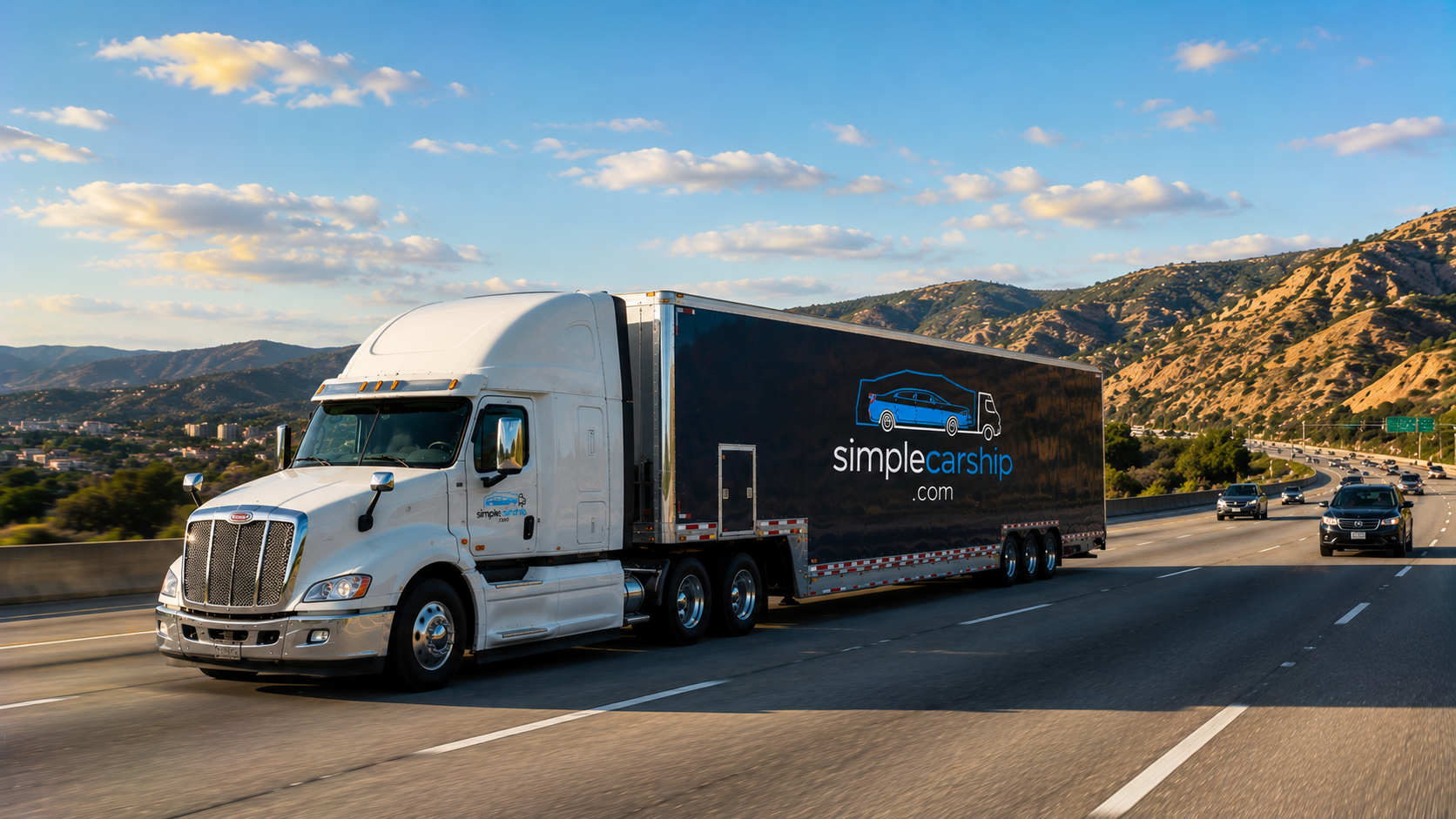
Most car shipments take between one and seven days in transit, depending on distance. A 200-mile regional move might complete in a single day, while coast-to-coast hauls usually run five to seven days. Understanding the distinction between pickup window and actual transit time is essential when planning delivery dates.
Why There Are Two Timelines: Pickup Window vs. Transit
When you book auto transport, you work with two separate clocks. The pickup window is the period during which a carrier arrives at your origin to load your vehicle—typically one to five business days after you confirm your order, though rural locations may take longer. Once the driver has your car secured, the transit clock starts.
Most shippers quote a combined door-to-door timeframe adding both windows together. If you see “seven to ten days” for a cross-country move, expect one to three days for dispatch and pickup, then five to seven days of highway travel. High-traffic corridors like I-95 or California’s I-5 fill trucks faster than sparsely traveled routes through Montana or the Dakotas.
Transit Time by Distance: What the Road Actually Takes
Federal hours-of-service rules cap a truck driver at eleven hours behind the wheel per day, followed by a mandatory ten-hour break. A loaded car carrier averaging fifty to fifty-five miles per hour covers roughly five hundred to six hundred miles per shift. Multi-car trailers also make two to four stops to unload earlier customers, adding hours to delivery.
| Distance | Typical Transit Days | Notes |
|---|---|---|
| 0–300 miles | 1 day | Regional haul; often same-day or next-day if pickup is morning |
| 300–800 miles | 1–2 days | Single overnight rest; examples include Los Angeles–Phoenix, Chicago–Nashville |
| 800–1,500 miles | 2–4 days | Requires two driving days plus rest; think Dallas–Denver or Atlanta–Boston |
| 1,500–3,000 miles | 5–7 days | Coast-to-coast lanes; driver cycles through multiple rest periods and intermediate stops |
These figures assume favorable weather and interstate highways. Mountain passes, border crossings, or winter storms can add a day or two. Carriers also plan routes to consolidate pickups and drop-offs, so straight-line map distance rarely matches actual odometer reading.
Coast-to-Coast Reality: Why California to New York Is Five to Seven Days
A transcontinental shipment covers roughly twenty-eight hundred miles. At five hundred fifty road miles per eleven-hour day, you need just over five days of wheel time. Add mandatory rest breaks, fuel stops, weigh-station inspections, and two or three intermediate deliveries, and the realistic window stretches to five to seven days. On the cost to ship a car from California to New York corridor—about 2,796 miles—expect five to seven days once the carrier picks up.
Weather plays a larger role on long hauls. A January snowstorm closing I-80 through Wyoming can delay the truck twelve to twenty-four hours. Summer construction may slow progress through bottleneck cities. Carriers build a one-day cushion into quotes to account for these variables.
Enclosed transport follows the same mileage math—the trailer type doesn’t change hours-of-service limits. Enclosed carriers often handle fewer vehicles per load and may take more direct routes, but you’ll still see the same five-to-seven-day transit estimate.
How the Type of Transport Affects Timing
Open transport is the industry standard. Because open carriers handle higher volumes and run more frequent departures on popular lanes, your pickup window is often shorter—sometimes one or two days on dense routes like Florida to the Northeast. Transit speed remains the same once loaded, but faster dispatch can shave a day or two off total door-to-door time.
Enclosed transport costs run about 60 percent higher, and the carrier pool is smaller. You may wait three to five days for an enclosed truck, particularly outside major metros. Once rolling, transit days match open transport—the truck still obeys the same rules. Choose enclosed for protection, not speed.
Expedited service guarantees pickup within twenty-four to forty-eight hours and sometimes uses team drivers covering ground around the clock. This costs more and is worth considering only for firm deadlines—military deployment, college move-in, or vehicle sale closing.
What Slows Things Down (and What Doesn’t)
The most common delay happens before the truck arrives: waiting for a carrier to commit. Low-demand lanes see fewer trucks, so your order may sit on the dispatch board for extra days. Booking early and remaining flexible on pickup dates (offering a three-to-five-day window instead of one day) helps speed assignment.
Inoperable vehicles add time if the carrier isn’t equipped with a winch. Most haulers can load a car that rolls and steers, but a vehicle with locked brakes or seized transmission may require a flatbed tow to a terminal first. Mention mechanical issues when you book.
- Weather and road closures: Winter blizzards, hurricane evacuations, and wildfire road closures can halt trucks for hours or reroute them hundreds of miles.
- Inspection stations: Commercial trucks pass through weigh stations and DOT inspections. A Level 1 inspection can take an hour.
- Urban congestion: Delivering into dense metros like Los Angeles or New York means navigating traffic and finding legal staging for a ten-car trailer. Rural deliveries usually go faster.
- Carrier route structure: Your car may share the trailer with five to nine other vehicles. Each stop adds twenty to forty minutes.
One thing that does not delay transit is vehicle age or value. A twenty-year-old sedan follows the same schedule as a new luxury model. The difference between open and enclosed is exposure protection, not transit time.
How to Get a Tighter Delivery Window
If you need your car by a specific date, work backward. Add maximum transit days for your distance, then add three to five days for pickup window. For example, if you must have your vehicle in Florida by the fifteenth and you’re shipping from California—five to seven days in transit—book by the third.
Communicate your deadline clearly when requesting a quote. Summer is peak moving season; college students, snowbirds, and military families compete for truck space May through August. Winter sees fewer shipments but more weather delays. Shoulder seasons—March, April, September, October—offer the best balance of capacity and predictability.
Flexible pickup and delivery locations also tighten timelines. Meeting the truck at a large parking lot near a highway exit instead of requiring residential curbside service saves time. Carriers call this “terminal-to-terminal” service, though the terminal is often just an agreed public space with trailer clearance.
Stay reachable by phone. Dispatchers and drivers call to confirm appointments; a missed call can push your slot back a day.
Real-World Example: California to Florida
You’re relocating from Los Angeles to Miami and need your car shipped—approximately 2,735 miles. You request a quote Monday, and by Tuesday a carrier confirms pickup for Thursday morning—a two-day dispatch window. The driver loads your car Thursday at 9 a.m. and begins the journey east on I-10.
Following hours-of-service rules, the truck covers Arizona and New Mexico day one (roughly five hundred fifty miles), reaches western Texas by day two, crosses into Louisiana day three, and rolls through the Florida Panhandle day four. By day five or six, the carrier makes intermediate stops in Tallahassee and Orlando before reaching Miami on day six or seven. Your total door-to-door time is eight to nine days: two for dispatch and pickup, six to seven in transit.
Check the cost to ship a car from California to Florida page for current rates and transit estimates that match real-world experience.
Get your instant car shipping price
Real quote in seconds — no spam, no runaround.
Frequently Asked Questions
Can I track my car in real time during transport?
Most carriers provide periodic updates by phone rather than live GPS tracking. The driver will call when your vehicle is loaded and again a day before delivery. Some brokers offer a tracking portal that shows estimated location, but it’s usually updated manually, not in true real time like a package courier.
Does shipping a car across the country really take a full week?
Yes, coast-to-coast transit consistently requires five to seven days once the truck is rolling. Federal hours-of-service rules limit drivers to eleven hours per day, and a twenty-eight-hundred-mile haul means at least five driving days plus rest periods. Weather and intermediate stops can extend the window by a day or two.
What happens if my delivery date is firm and the truck runs late?
Communicate your hard deadline when you book so the dispatcher can route accordingly. If weather or breakdown causes a delay, the carrier will notify you and work to minimize the gap. Having a one- or two-day buffer beyond your absolute deadline reduces stress and accounts for variables beyond anyone’s control on the road.
Is enclosed transport faster than open transport?
No. Enclosed and open carriers follow the same highway speed limits and hours-of-service regulations, so transit time is identical. Enclosed may take longer to dispatch because fewer trucks run enclosed routes, but once your car is loaded, expect the same number of days in transit as you would with open transport.
How does seasonality affect how long shipping takes?
Summer is peak season; higher demand means trucks fill quickly, often shortening your pickup window, but urban congestion and construction can add hours to transit. Winter brings weather delays, especially over mountain passes and through the northern states. Spring and fall generally offer the most predictable timelines with moderate demand and stable road conditions.
Ready to Ship Your Car?
Understanding transit time helps you plan travel, coordinate housing, and set realistic expectations. Whether you’re moving across the state or across the country, the combination of a short pickup window and predictable road time means you can schedule confidently. Get an instant quote and see your specific timeline—including pickup window and transit estimate—by entering your route details on our quote page. We’ll match you with vetted carriers and keep you updated from dispatch to delivery.