
Car Shipping Pickup & Delivery Day: What to Expect
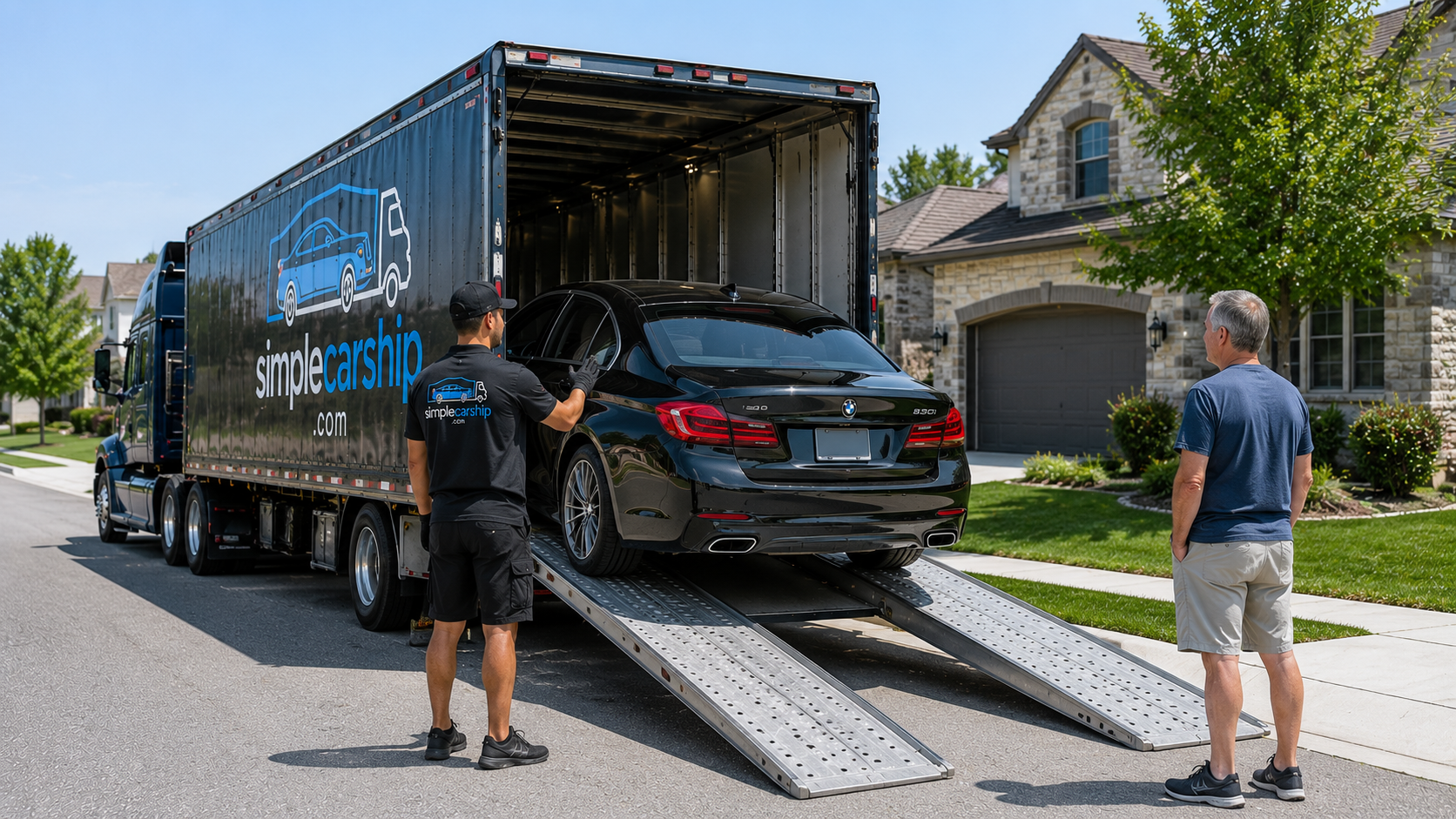
Pickup and delivery are where your car shipping quote becomes a real handoff—and where most questions arise. Knowing what happens during inspection, how timing works, and what to do if something looks wrong keeps you in control. This guide walks you through both ends of the move so you’re ready when the carrier arrives.
How Pickup Windows Actually Work
When you book transport, you receive a pickup window—typically a span of days, not a guaranteed hour. Carriers consolidate multiple vehicles onto one truck to keep costs down, so your slot depends on the driver’s route and other nearby pickups. The dispatcher will call a day or two before arrival to narrow the time, usually to a half-day window.
If you need a guaranteed date and time, some carriers offer expedited service, which costs more but locks in a specific schedule. For most door-to-door shipments, flexibility—being available across the entire window—avoids rescheduling fees.
Weather, traffic, and earlier stops can shift arrival by hours. Keep your phone handy, and ensure whoever hands over the keys is authorized and has a valid driver’s license. The carrier will not release your car to someone who cannot verify identity or sign the Bill of Lading.
The Bill of Lading: Your Pre-Trip Inspection
The Bill of Lading (BOL) is the legal document recording your car’s condition at pickup. The driver will walk around the vehicle with you, noting every existing scratch, dent, tire condition, fuel level, and mileage. Both of you sign it, and you each keep a copy. This sheet is the baseline for any damage claim later.
Before the driver arrives:
- Wash the car so scratches and dings are visible.
- Remove or photograph loose items (antennas, spoilers, custom trim).
- Document pre-existing damage with time-stamped photos from multiple angles.
- Leave the fuel tank between one-eighth and one-quarter full—enough to drive on and off the truck.
- Check that the spare tire, jack, and alarm fobs are present; note them yourself.
If the driver rushes the inspection or skips obvious damage, speak up. An incomplete BOL undermines your claim. Politely insist that every mark is recorded before you sign.
Personal Items and What Not to Pack
Federal motor-carrier regulations prohibit household goods on auto-transport trailers because cargo insurance covers vehicles, not personal property. Many drivers tolerate small amounts—usually confined to the trunk and below window level—but if the load is inspected at a weigh station, you may be asked to remove items or face delays.
Never pack valuables, firearms, important documents, or irreplaceable items. If you must leave something, keep it light, secure it so it cannot shift and scratch surfaces, and understand it travels at your own risk. The carrier’s insurance will not cover stolen or damaged personal items.
Transit Time and Tracking Updates
Most cross-country shipments take seven to ten days; regional hauls may complete in two to four. The driver’s route is not a straight line—expect stops for fuel, federally mandated rest breaks, and other pickups. Carriers usually provide a contact number, and some offer GPS tracking through a web portal or app.
Don’t expect minute-by-minute updates. If you haven’t heard anything for a couple of days, a polite check-in is reasonable. Weather, port delays, and inspection-station backups can all add time. Build a buffer into your plans rather than booking a same-day departure flight.
Delivery Inspection: What to Check Before You Sign
Delivery is pickup in reverse, but with higher stakes—you are accepting the car back and closing the transaction. The driver will present the BOL and ask you to inspect before signing. Do this in daylight if possible. If the truck arrives at night, ask to wait until morning or use a strong flashlight.
Walk around the car with the BOL in hand. Compare every panel, window, mirror, and wheel to the notes and your pre-pickup photos. Look for new scratches, dents, cracked glass, or fluid leaks. Check that mileage has not increased beyond the few miles needed for loading. Start the engine and verify it runs normally.
If you spot new damage, note it on the BOL before signing—write a clear description and take photos immediately, with the driver and truck visible. If the driver disputes it, you can write “signed under protest—new damage observed, photos attached” and sign. Don’t refuse to sign entirely; that can strand the driver. Sign with the notation and begin the claims process right away.
If everything looks good, sign the BOL and keep your copy. Once you sign clean, the window for filing a damage claim narrows—most carriers require notice within 24 to 48 hours.
Filing a Damage Claim the Right Way
Carrier cargo insurance covers transit damage, but claims require documentation. If you noted new damage at delivery, contact the broker or carrier within the time frame stated in your contract (usually 24 hours), send your signed BOL with the damage notation, your pre-pickup photos, post-delivery photos, and a written description.
The carrier will typically ask for repair estimates from a licensed body shop. Get at least two quotes, and don’t authorize repairs until the claim is reviewed. Most claims resolve within weeks, though disputes over pre-existing versus new damage can take longer.
If the carrier denies the claim and you believe it is valid, escalate to the broker and review your contract for arbitration options. If you skipped the delivery inspection or signed without noting damage, recovery becomes much harder.
Enclosed vs. Open Transport on Pickup and Delivery
The mechanics of pickup and delivery are nearly identical whether your car rides in an open or enclosed trailer, but enclosed shipments often come with tighter scheduling and more detailed inspections. Enclosed carriers haul fewer vehicles per load—sometimes only two to six—so they can offer narrower windows, which matters for high-value or exotic vehicles.
Enclosed transport runs about 60% higher than open, and that premium buys protection from weather, road debris, and prying eyes. The BOL process is the same, but enclosed carriers typically take more photos and may use lift gates to minimize ground-clearance risk. If your car has custom paint, a low spoiler, or collector value, the extra inspection rigor is worth the added expense.
Common Mistakes That Complicate Pickup or Delivery
Rushing the inspection is the top mistake. Drivers have tight schedules, and some will try to speed through the walkaround. Politely take your time—this is your legal record.
Failing to clean the car before pickup makes it nearly impossible to see existing scratches, so any new damage becomes a dispute. A simple wash takes ten minutes and protects you.
Not being present—or sending someone unfamiliar with the car—means the BOL may miss damage. If you absolutely cannot be there, send someone you trust with photos and written instructions.
Assuming the carrier will call you far in advance is another pitfall. Dispatch usually narrows the window only 24 to 48 hours out, so stay reachable.
Finally, signing a clean BOL at delivery when you see new damage eliminates most of your leverage. Even if you are tired or it is late, insist on noting any issues before you sign.
Get your instant car shipping price
Real quote in seconds — no spam, no runaround.
Frequently Asked Questions
What if I’m not available during the delivery window?
You can designate someone else to accept delivery on your behalf, as long as they bring a valid driver’s license and you notify the carrier in advance. That person must inspect the car and sign the Bill of Lading, so brief them on what to check.
Can the driver deliver to an apartment complex or gated community?
Large car-carrier trucks often cannot navigate tight turns or low clearances. If your address is not accessible, the driver will ask you to meet at a nearby open lot. Confirm access with your broker when you book to avoid last-minute scrambles.
How much should I tip the driver?
Tipping is not required but is appreciated for exceptional service. If you choose to tip, most customers offer a modest amount in cash at delivery. The driver’s pay comes from the carrier, so any tip is a personal thank-you, not an obligation.
What happens if my car won’t start at pickup or delivery?
Inoperable vehicles require a winch to load and unload, which costs more and must be disclosed when you book. If the car becomes inoperable during transit due to carrier negligence, that cost and any damage fall under the cargo insurance claim process.
How long do I have to file a damage claim after delivery?
Most carriers require written notice within 24 to 48 hours of delivery. Some contracts allow up to five business days, but the sooner you file—with photos and the signed BOL—the stronger your claim. Waiting weeks makes it nearly impossible to prove the damage happened in transit.
Understanding pickup and delivery logistics turns the busiest moments of car shipping into routine handoffs. Inspect carefully, document everything, and communicate clearly with your driver. When you are ready to move your vehicle, get an instant car shipping quote and lock in reliable service that respects both your car and your time.