
How Car Shipping Insurance Works (and What’s Actually Covered)
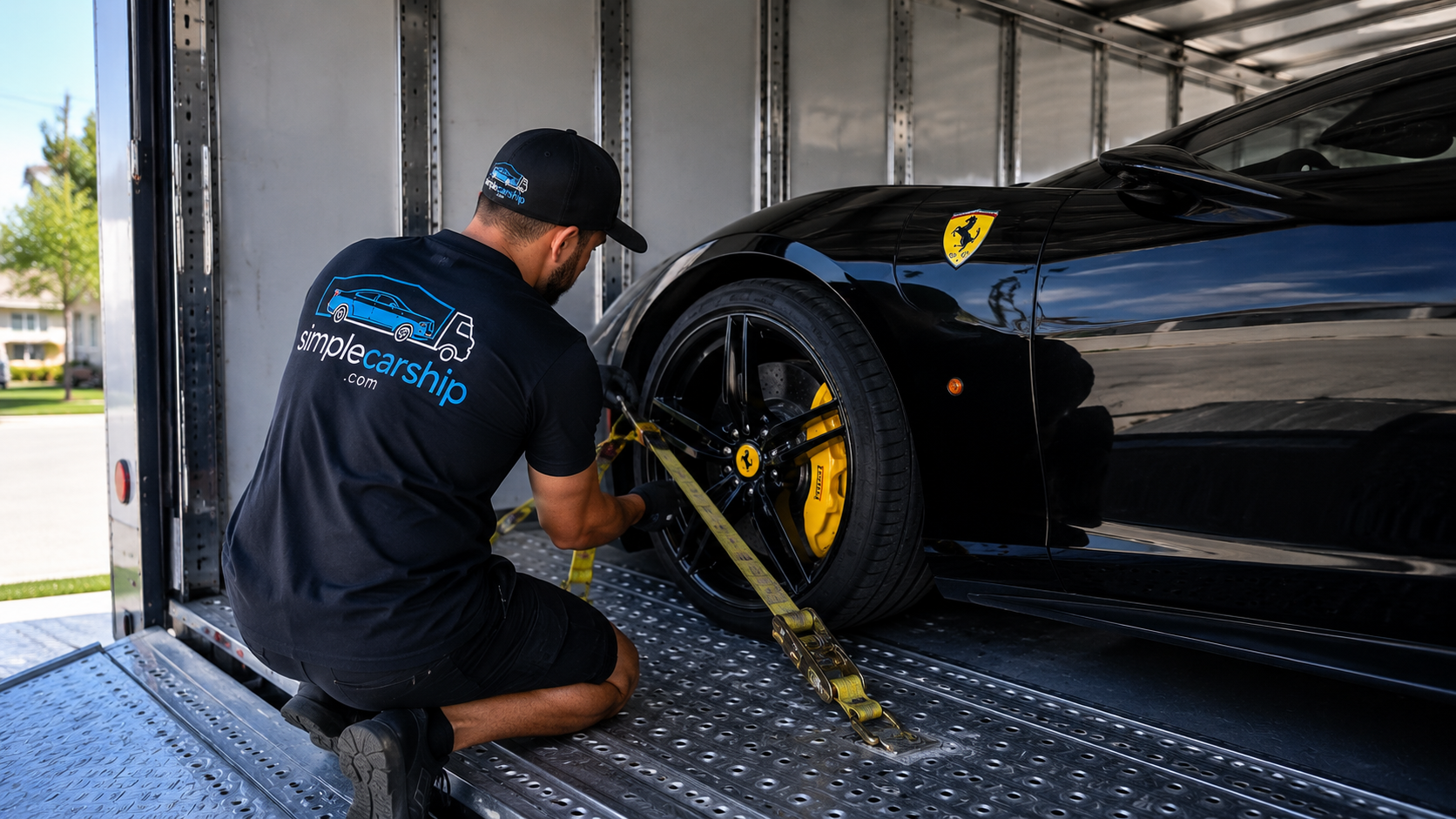
Every car carrier hauling your vehicle across state lines is required by federal law to carry cargo insurance, but understanding what that policy actually covers—and what it doesn’t—can mean the difference between a smooth claim and an out-of-pocket repair bill. Car shipping insurance exists in a patchwork: the carrier’s liability coverage, your own auto or homeowner’s policy, and sometimes optional supplemental protection. Knowing where those boundaries sit before your car leaves the driveway is the surest way to avoid surprises on the other end.
The Foundation: Carrier Cargo Insurance
Federal Motor Carrier Safety Administration regulations mandate that every licensed auto-transport carrier maintain cargo insurance to cover damage that occurs while vehicles are in their custody. This is the baseline shield between you and a loss. The policy covers collision, rollover, fire, theft, and vandalism that happens during transit—but only during transit. Once the driver parks the trailer at a fuel stop or overnight staging area, custody rules and coverage nuances come into play.
Carriers in our network are vetted to ensure they hold active cargo policies, but policy limits vary. Some carriers carry minimum coverage; others underwrite much higher limits to handle high-value or exotic vehicles. When you receive a quote, ask for a Certificate of Insurance—often called a COI—and confirm the policy number, insurer name, and effective dates. A legitimate carrier will produce this document without hesitation. If you encounter reluctance or delays, that’s a red flag worth taking seriously.
What Carrier Insurance Typically Covers
Carrier cargo insurance is designed to address damage that occurs while the vehicle is loaded on the truck and moving between origin and destination. The core covered perils include:
- Collision damage: If the transport truck is involved in an accident, any resulting damage to your car falls under the carrier’s policy.
- Rollover or load-shift events: Improperly secured vehicles or sudden maneuvers can lead to tie-down failures; the resulting scrapes, dents, or structural damage are covered.
- Fire and vandalism: If the trailer catches fire or someone damages your car while it’s on the truck, the carrier’s policy responds.
- Theft: If your vehicle disappears from the carrier’s custody, the cargo policy covers the loss.
Coverage is tied to the Bill of Lading—the contract you sign at pickup. That document lists the condition of your car at the time of loading, noting every existing scratch, dent, or chip. Both you and the driver initial it. When the car is delivered, you and the delivery driver conduct a joint walk-around inspection and compare the vehicle’s condition to the Bill of Lading. Any new damage discovered at delivery becomes the basis for a claim.
Common Exclusions and Gray Areas
Carrier cargo insurance does not cover everything, and the exclusions matter as much as the coverage grants. Mechanical failure is the most common gap: if your transmission fails en route or the engine seizes, that’s a pre-existing or wear-and-tear issue, not cargo damage. The carrier’s policy will not pay for it. Similarly, damage to personal items left inside the car is almost never covered. Carriers typically allow a modest weight allowance for personal belongings—below the rear window line—but those items travel at your own risk.
Weather-related damage sits in a gray zone. Enclosed transport shields your car from road debris, rain, and sun, which is why enclosed runs about 60% higher than open transport in our Cost Index. Open transport exposes the vehicle to the elements. Mud, dust, and road grime are normal incidents of open hauling and are not considered damage. Hail, falling tree limbs, or tornado debris would typically be covered, but proving causation—and timing—requires clear documentation.
Another exclusion: damage that occurs before pickup or after final delivery. If you discover a door ding two days after signing off on the delivery inspection, the carrier’s policy window has closed. This is why the delivery walk-around is non-negotiable. Take your time, check panel gaps, look for scratches under dirt, and photograph anything questionable before you sign.
Your Own Auto Insurance: A Secondary Backstop
Your personal auto insurance policy—specifically comprehensive and collision coverage—may cover transit damage if the carrier’s policy doesn’t respond or if limits are exhausted. Not all personal policies extend this way, and many include a clause that makes the carrier’s insurance primary. Read your policy’s “transportation” or “bailment” section, or call your agent and ask directly: “If my car is damaged on an auto-transport truck, does my comprehensive coverage apply, and will I owe a deductible?”
Homeowner’s or renter’s insurance sometimes covers personal belongings inside the car during a move, but the sub-limits are usually modest and the paperwork burden is high. If you’re shipping valuable items, pulling them out and shipping them separately—or carrying them with you—is almost always simpler than navigating a property-insurance claim.
How to Verify Coverage Before You Book
Verification is straightforward if you know what to request. When you get an instant car shipping quote, the carrier assignment will include the company name and MC number. Use that MC number to look up the carrier on the FMCSA’s public database and confirm active authority. Then ask the broker or carrier directly for a current Certificate of Insurance. The COI will show the policy number, the insurer’s name, coverage limits, and the expiration date.
If the carrier holds a policy with a low limit and you’re shipping a high-value or exotic vehicle, ask whether supplemental coverage is available. Some carriers and brokers offer gap policies or can arrange higher limits for a surcharge. Others will refer you to a third-party insurer that specializes in auto-transport riders. Either way, arranging supplemental coverage before pickup is far easier than discovering a gap after damage occurs.
The Bill of Lading: Your Most Important Document
The Bill of Lading is both contract and evidence. It lists the vehicle’s condition at origin in detail: scratches on the driver’s door, a small dent in the rear bumper, a cracked side mirror. The driver’s inspection may be cursory or thorough depending on the carrier’s training, but your job is to be thorough every time. Walk the car in daylight, clean off dirt so scratches are visible, and insist that every mark—no matter how small—gets noted.
At delivery, repeat the process. Compare the car’s condition to the origin notes. If you see new damage, note it on the delivery Bill of Lading immediately and take photos from multiple angles. The delivery driver may offer to note the damage as “under further inspection” or may disagree about whether it’s new. Stand your ground: if it wasn’t there at pickup and it’s there now, it goes on the delivery document. Your signature on a clean Bill of Lading is an acknowledgment that the car arrived undamaged; once you sign, proving a claim becomes exponentially harder.
Filing a Claim: Timing and Documentation
If damage is noted at delivery, inform the broker or carrier immediately—ideally before the truck leaves your driveway. Cargo policies typically require written notice within a fixed window, often 24 to 48 hours. Follow up your phone call with an email that includes photos, a copy of the signed Bill of Lading showing the new damage, and a brief narrative of what you observed.
The carrier’s insurer will assign a claims adjuster who may request repair estimates, ask for additional photos, or schedule an inspection. Response time varies. Some claims close in a week; others stretch for months, especially if liability is disputed. Keep copies of every document, every email, and every photo. If the claim stalls or the insurer denies coverage you believe is valid, your own insurance company or a consumer-protection attorney can sometimes apply pressure, but neither step is quick or free.
Get your instant car shipping price
Real quote in seconds — no spam, no runaround.
Frequently Asked Questions
Does the carrier’s insurance cover my personal belongings inside the car?
No. Carrier cargo insurance covers the vehicle itself, not personal items packed inside. Carriers generally allow a small weight allowance for belongings below the rear window line, but those items travel at your own risk. Consider removing valuables or checking your homeowner’s policy for limited coverage during a move.
What if I find damage two days after delivery?
Once you sign the delivery Bill of Lading without noting damage, proving a claim becomes very difficult. Carrier policies require damage to be documented at delivery. If you discover something later, report it immediately, but expect the insurer to argue the damage occurred after custody transferred. Always inspect thoroughly before signing.
Do I need to buy extra insurance for a high-value car?
It depends on the carrier’s policy limits. Request a Certificate of Insurance and compare the limit to your car’s value. If the coverage falls short, ask about supplemental or gap insurance. Many carriers can arrange higher limits or refer you to a specialty insurer. Booking this coverage before pickup is essential.
Is my car insured while it’s parked overnight during transport?
Yes, as long as the vehicle remains in the carrier’s custody. Cargo insurance covers the car from pickup through final delivery, including overnight stops. However, theft or vandalism claims require the carrier to demonstrate reasonable security measures, so documentation—such as where the truck was parked—becomes important if something goes wrong.
What is a Certificate of Insurance and why do I need it?
A Certificate of Insurance is a document issued by the carrier’s insurer showing policy details: coverage limits, effective dates, policy number, and insurer contact information. Requesting and reviewing the COI before booking lets you verify the carrier holds active, adequate coverage and gives you the insurer’s information in case you need to file a claim.
Get the Coverage Details You Need
Understanding how car shipping insurance works puts you in control: you know what to ask for, what to inspect, and what to document. The Bill of Lading, the Certificate of Insurance, and a careful walk-around at both ends are your strongest tools. When you’re ready to move your car with confidence and clarity, get an instant car shipping quote and ask the questions that matter—before your vehicle rolls onto the truck.