
How to Get the Cheapest Car Shipping Quote (Without Getting Burned)
The cheapest car shipping option is almost never the lowest number on your first round of quotes. Real savings come from understanding how carriers price routes, which variables you control, and how to separate genuine quotes from bait-and-switch lowballs. This guide covers seven proven levers that cut cost without sacrificing reliability.
Why the Absolute Lowest Quote Usually Costs You More
Carriers operate on thin margins. Fuel, insurance, equipment, and driver wages don’t vary wildly between legitimate brokers. When one quote lands hundreds below the others, it’s rarely more efficient routing—it’s an artificially low figure to capture your deposit, followed by “unexpected” surcharges or cancellation with a non-refundable fee.
This lowball tactic thrives on urgency. The broker bets you’ve already committed mentally and won’t restart your search when the real price surfaces. The genuinely cheapest strategy starts with realistic expectations: compare quotes that cluster in the same range, then apply the tactics below to pull that range downward legitimately.
Lever 1: Choose Open Transport Over Enclosed
Open carriers—the multi-level rigs you see on highways—move the vast majority of vehicles in the U.S. According to our 2026 Car Shipping Cost Index, open transport averages $1.32 per mile, while enclosed runs 60% higher.
Enclosed makes sense for high-value exotics, pristine classics, or low-clearance sports cars that risk scrapes on open ramps. For daily drivers, SUVs, or standard sedans, open transport delivers the same service at significantly lower cost. Enclosed capacity is tighter, meaning longer wait times and fewer carrier options—both push rates up.
Lever 2: Maximize Flexibility on Dates
Carriers fill trucks by stitching together multiple shipments along a corridor. When you insist on a specific pickup date or narrow delivery window, the broker must find a truck matching your calendar exactly—or pay a driver to detour. Either costs more.
Offering a five-to-seven-day pickup window and flexible delivery lets dispatchers slot your car into existing routes. That efficiency translates directly into lower bids. If possible, avoid month-end and holiday weeks when demand spikes. Mid-month, mid-week bookings generally attract more competitive offers.
Lever 3: Ship on High-Traffic Lanes
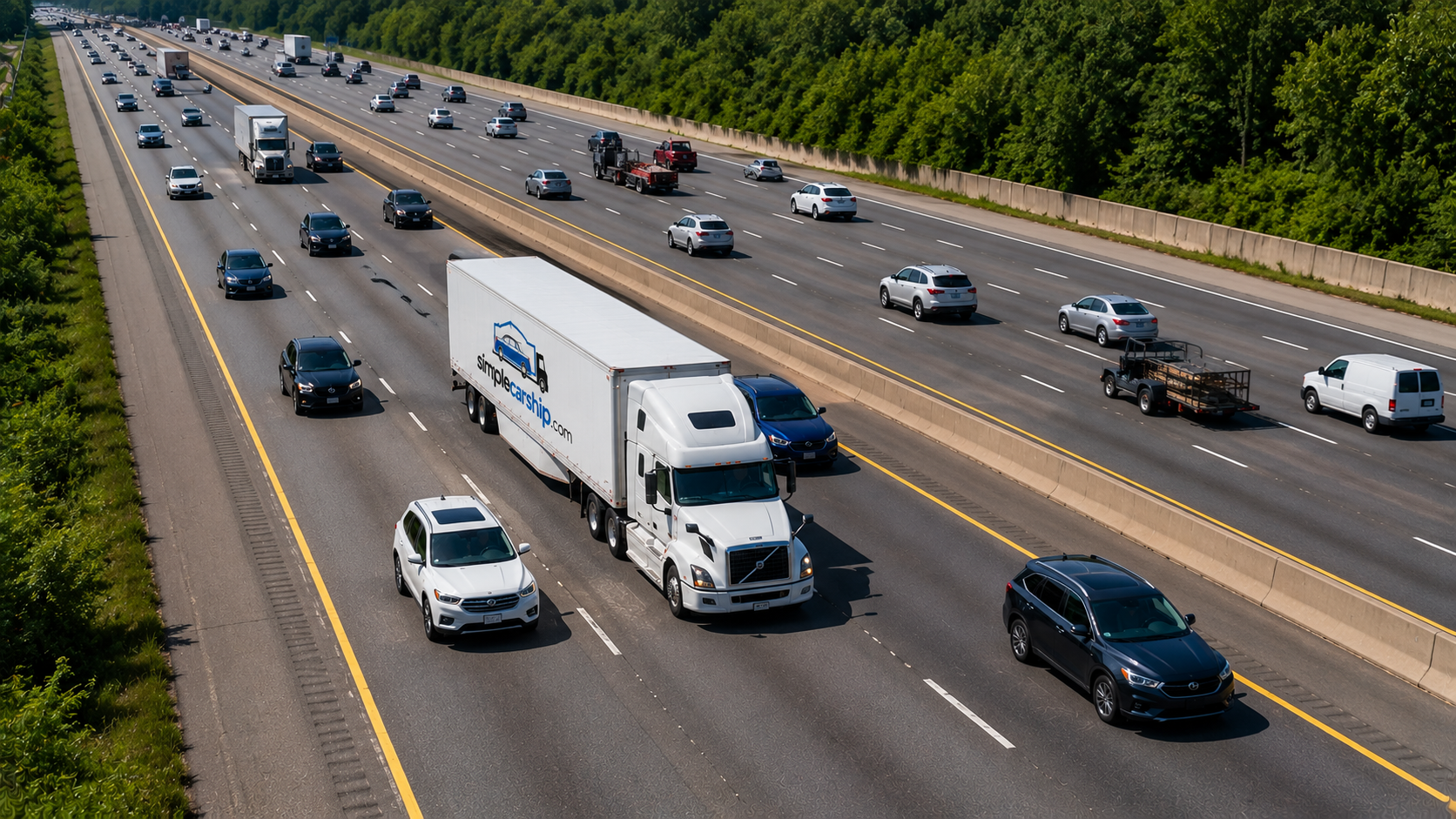
Geography is one of the biggest variables in what drives car shipping costs. Major interstate corridors—I-95 Northeast, I-10 across the South, I-80 coast-to-coast—see dozens of carriers daily. Competition is high, backhaul opportunities plentiful, and per-vehicle rates drop.
Rural pickups or deliveries off main routes require carriers to deadhead miles with empty trailers or add hours to the schedule. If you can meet the truck at a metro terminal or arrange pickup from a larger nearby city, you’ll see savings reflected in quotes. When rural addresses are unavoidable, the higher price covers real diesel and driver time.
Lever 4: Book Early (But Not Too Early)
Advance notice gives brokers time to shop your shipment across their carrier network and wait for a truck already heading your direction. Last-minute orders shrink the driver pool and force rush premiums.
Two to three weeks ahead is the sweet spot for most routes. Booking months early offers diminishing returns; fuel prices and availability shift, and brokers may re-quote closer to the date. Next-day or same-week shipping pushes you into expedited territory with steep price climbs. Plan ahead to access the broadest, most competitive carrier market.
Lever 5: Keep the Vehicle Operational
Inoperable cars—those that won’t start, roll, brake, or steer—require a winch and often specialized equipment. Fewer carriers offer this service, loading takes longer, and equipment costs more. The result is higher pricing than standard drivable shipments.
If your car is close to operational, investing in a cheap repair—a new battery, a jump-start—can reclassify it as drivable and unlock the full carrier marketplace. When non-op shipping is unavoidable, disclose it upfront. Hiding the vehicle’s condition leads to refused pickups or surprise fees on-site.
Lever 6: Understand Seasonal and Fuel Swings
Car shipping demand follows predictable patterns. Summer sees higher volume from relocations and student moves. Snowbird season—October–November southbound, March–April northbound—tightens capacity on Sun Belt routes. Winter weather snarls schedules and reduces available trucks in northern states.
Diesel fuel is the single largest variable cost for carriers. A sharp climb in fuel costs ripples through the market within days. You won’t dodge these swings entirely, but booking during shoulder seasons and monitoring fuel trends when you have flexibility can yield quotes at the lower end of the cycle.
Lever 7: Compare Honest Quotes Apples-to-Apples
The cheapest quote is only cheap if service happens at that price. When gathering estimates, confirm each includes the same services: door-to-door or terminal-to-terminal, guaranteed pickup window or first-available, insurance coverage, and payment terms.
Ask every broker whether the quote is binding or an estimate. A binding quote locks the price; an estimate leaves room for “adjustments.” Request the carrier assignment and insurance certificate before paying a deposit. Legitimate brokers provide both once they’ve dispatched your order. If a company demands full payment upfront, refuses to name the carrier, or can’t produce insurance proof, walk away.
Check reviews that mention actual delivered prices matching the original quote. A pattern of complaints about surprise fees or deposit forfeitures reveals bait pricing. Industry watchdogs and the Federal Motor Carrier Safety Administration database let you verify a broker’s authority and complaint history.
Red Flags That a “Cheap” Quote Will Cost You More
A quote significantly below the cluster of other estimates is the brightest red flag. Legitimate pricing variation exists, but a broker undercutting everyone by a wide margin is either planning to renegotiate or lacks carrier relationships to honor the figure.
Pressure to pay a large deposit immediately—especially by wire transfer or cash app—signals trouble. Real brokers collect deposits to secure bookings but give you time to review contracts and verify credentials. High-pressure tactics and demands for untraceable payment are classic fraud signs.
Vague contracts lacking pickup and delivery locations, vehicle description, or clear cancellation policy leave you unprotected. If terms aren’t specific enough to hold both parties accountable, the broker has room to rewrite the deal midstream. Insist on detailed order confirmation in writing before paying.
What “Cheap” Should Really Mean
The genuinely cheapest car shipping option delivers your vehicle on time, undamaged, and at the agreed price—without surprise fees, deposit traps, or hours fighting for refunds. Lower cost and reliability aren’t opposites; they come from the same root: working with a broker who prices transparently, dispatches efficiently, and builds carrier relationships that enable competitive rates.
Focus on total cost of ownership, not just the number on the quote screen. A slightly higher upfront price from a broker with a clean track record, responsive support, and proven carrier network will cost less than a lowball that turns into a cancellation, rescheduling nightmare, or damage claim with no insurance backing.
How Short and Long Hauls Change the Math
Distance isn’t linear in car shipping pricing. Our Cost Index shows short hauls under 500 miles average $1.93 per mile, while long cross-country runs drop closer to $0.85 per mile. This taper exists because fixed costs—pickup administration, loading time, initial fuel—spread over more miles on longer trips.
For short moves, renting a truck or hiring a local driver may compete with professional transport. Run the numbers including your time, fuel, insurance, and wear on a second vehicle if you need a return trip. Beyond 500 miles, professional car shipping almost always beats DIY math, and the per-mile rate advantage grows with distance.
Get your instant car shipping price
Real quote in seconds — no spam, no runaround.
Frequently Asked Questions
Is it cheaper to ship a car in winter?
Winter typically sees lower demand on many routes, especially southbound before snowbird season peaks. However, northern weather can reduce carrier availability and add delays, which offsets some savings. Shoulder seasons—late winter and early spring—often offer the best balance of lower demand and reliable service for cost-conscious shippers.
Do I save money using terminal-to-terminal instead of door-to-door?
Terminal-to-terminal shipping can reduce cost slightly because carriers avoid residential detours and tight streets. The savings are modest, though, and you’ll spend time and fuel driving to the terminal. For most people, the convenience of door-to-door pickup and delivery justifies the small additional cost, especially on longer routes where the terminal fee matters less.
Can I negotiate car shipping quotes lower?
Brokers have some flexibility, especially if you’re shipping multiple vehicles, offering a wide date window, or booking during a slow period. Politely asking if there’s room in the price—particularly when you have competing quotes—can work. Threatening or lowballing usually backfires; brokers would rather pass on a shipment than dispatch it at a loss and risk carrier no-shows.
Will removing personal items from my car lower the price?
Carriers allow a small amount of personal belongings in the trunk, but they’re not insured and add weight. Overloading a vehicle can lead to refused pickup or extra fees on-site. Removing unnecessary items avoids those issues, but the direct price impact is minimal. The bigger benefit is peace of mind—your valuables travel with you, fully insured.
How do I know if a low quote is legitimate or a scam?
Verify the broker’s FMCSA registration, read recent reviews on independent platforms, and confirm the quote includes a named carrier and insurance certificate before you pay. Legitimate brokers explain their pricing, answer questions without pressure, and put everything in a detailed contract. If a company won’t provide verifiable credentials or rushes you to wire money, that’s your signal to move on.
Get Your Free, Transparent Quote in 60 Seconds
Ready to ship your car without guesswork or gimmicks? Simple Car Ship connects you with thoroughly vetted carriers and delivers quotes you can trust—no bait, no surprises, just straightforward pricing based on your exact route and timeline. Enter your details on our instant quote page, compare real options, and book with confidence. Your vehicle deserves a safe move, and your wallet deserves an honest price.