Open vs. Enclosed Car Transport: Which Do You Need?
When you ship a car, the first question most carriers will ask is whether you want open or enclosed transport. Open transport hauls your vehicle on a double-decker trailer exposed to the weather; enclosed transport loads it into a covered trailer. The choice boils down to cost, protection, and the value of what you’re moving. Understanding the real trade-offs—not just marketing promises—will save you money or heartache, depending on which way you go.
How Open Transport Works
Open transport is the workhorse of the auto-shipping industry. Your car rides on a multi-vehicle carrier—the same kind you see delivering new cars to dealerships—strapped securely to a steel deck. It’s fully exposed to rain, dust, road spray, and sun for the duration of the trip. That sounds riskier than it is. Most cars spend their entire working lives outdoors anyway; a few days on a trailer in the same conditions rarely causes harm.
Carriers prefer open trailers because they can load up to ten vehicles per truck, spreading fuel and labor across more units. That efficiency is why roughly 90 percent of all cars shipped in the U.S. move this way. If you’ve ever bought a car out of state, leased a vehicle that arrived from another region, or relocated for work, odds are your car traveled open.
The real risk isn’t catastrophic damage—professional drivers secure vehicles carefully, and cargo insurance backs every load—but surface wear. Road grit, rain spots, and the occasional bug splatter are normal. If your car is a daily driver with existing wear, or if you plan to detail it on arrival anyway, open transport delivers exactly what you need at a price that makes sense.
How Enclosed Transport Works
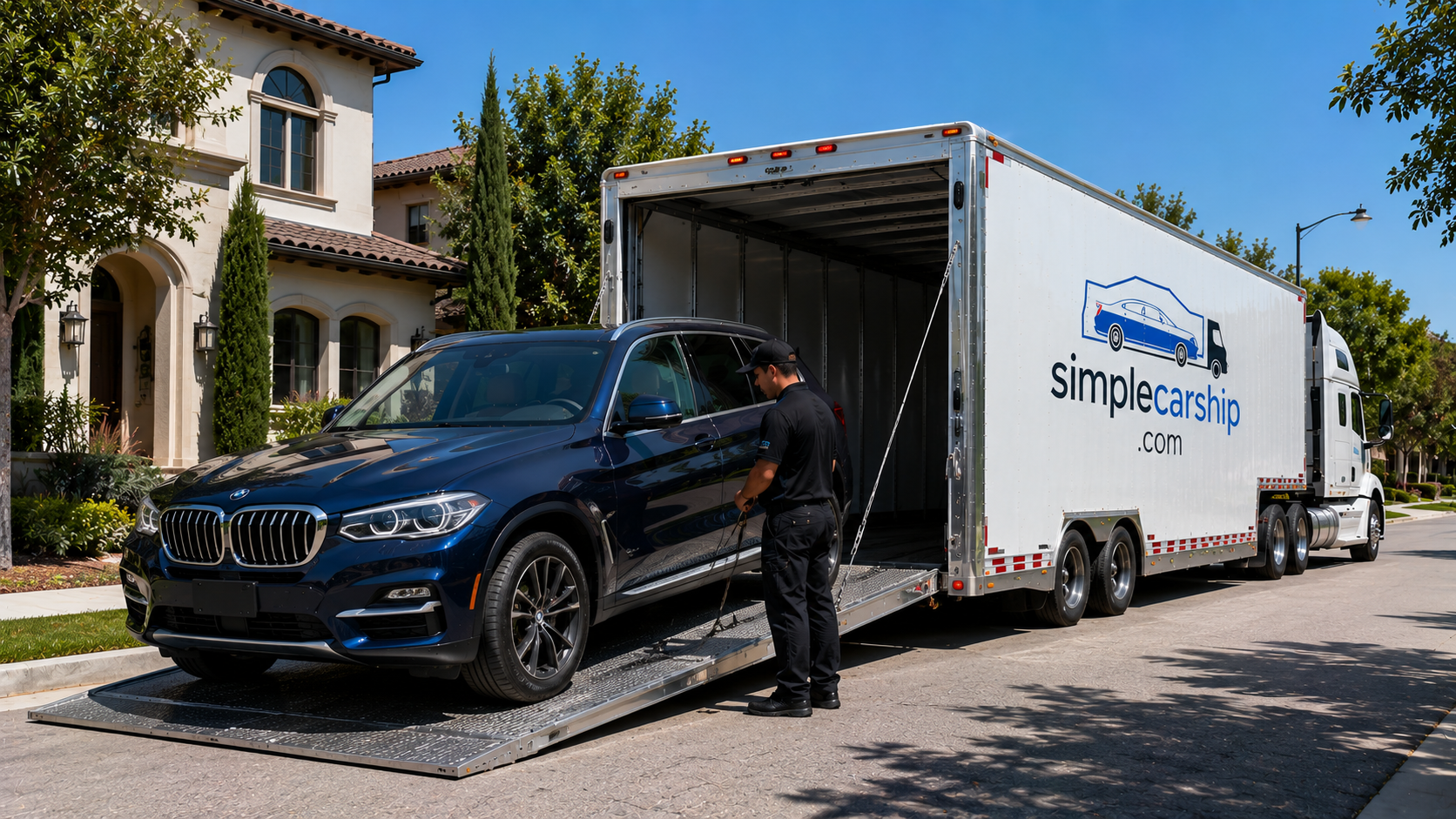
Enclosed transport uses a box trailer with solid walls and a roof. Most enclosed trailers carry two to seven vehicles, loaded in a climate-controlled or at least weather-sealed environment. The trailer shields your car from rain, hail, road debris, and UV exposure. Some operators use soft-sided enclosed trailers—fabric over a frame—but hard-sided aluminum or steel boxes are standard for high-value moves.
Because these trailers haul fewer cars and require more careful loading, the per-vehicle cost climbs. According to our 2026 Car Shipping Cost Index, enclosed transport runs about 60 percent higher than open on the same route. That premium buys peace of mind and a cleaner arrival, but only you can decide whether the extra cost matches the value of the car.
Enclosed carriers also move more slowly through the dispatch queue. Fewer trailers are available, and drivers often work with appointment-only pickup and delivery windows. If your timeline is tight and your car isn’t irreplaceable, open may be the pragmatic choice even if you can afford enclosed.
Cost Difference: What You’ll Actually Pay
Open transport averages around $1.32 per mile across typical U.S. routes, while enclosed transport costs about 60 percent more for the same distance. Those figures come from our Cost Index, which tracks real contracted rates across thousands of shipments. Shorter hauls run closer to $1.93 per mile because fixed costs—pickup, paperwork, insurance—don’t shrink with mileage. Long hauls drop toward $0.85 per mile as highway time dominates the trip.
The enclosed premium isn’t arbitrary. A smaller trailer means fewer revenue units per fuel gallon and per driver hour. Enclosed trailers also weigh more empty, cutting into payload and adding tire and brake wear. Insurance for enclosed loads runs higher because the cargo often includes collector cars, exotics, and customs worth well into six figures. All of that flows into the rate you pay.
If you’re comparing quotes, remember that price alone doesn’t tell the story. A low open-transport quote and a high enclosed quote might reflect not just the trailer type but also the season, route density, and how many other cars are moving your direction that week. For a full breakdown of the mechanics, read our guide on what drives car shipping costs.
Protection: What Each Method Actually Covers
Both open and enclosed carriers secure your vehicle with wheel straps or tire cradles and carry cargo insurance that covers damage in transit. The difference isn’t whether your car is insured—it is—but what kinds of incidents are likely to happen and what condition the car arrives in.
Open transport exposes your car to weather and road debris. A rainstorm won’t hurt the paint, but if the truck kicks up a stone on the interstate, your windshield is vulnerable. Dust and pollen settle on the surface; if you’re shipping during spring or through agricultural regions, expect to wash the car on arrival. None of this is damage in the insurance sense, but it’s wear you’ll notice.
Enclosed transport eliminates weather, dust, and most debris. The trailer’s walls also provide a buffer during loading and unloading, reducing the chance of a door ding or scrape in tight quarters. If you’re moving a show car that must arrive in concours condition, or a luxury vehicle whose paint correction would cost more than the enclosed premium, the math favors the box trailer.
One myth worth breaking: enclosed transport doesn’t automatically mean white-glove handling or climate control. Standard enclosed trailers are weather-tight but not heated or air-conditioned. If you need true climate control—for a rare classic with sensitive interior materials—ask the carrier specifically and expect to pay more than the base enclosed rate.
When to Choose Open Transport
Open transport makes sense when the vehicle is a tool, not a treasure. Daily drivers, commuter cars, recent-model sedans and SUVs, and lease returns are all ideal candidates. If your car already has 40,000 miles and a few parking-lot dings, a few more days outdoors won’t materially change its condition or resale value.
Choose open if you’re working within a budget and the savings matter. The cost difference between open and enclosed can cover your first month’s insurance, a set of floor mats, or a tank of gas at your destination. For most households moving a family car across the country, open transport is the rational default.
Open is also faster to book. With ten times the trailer capacity in the market, you’ll find availability within a few days on most routes, even during peak summer season. If you need the car to arrive by a specific date and you’re not shipping something irreplaceable, open gives you more scheduling flexibility.
When to Choose Enclosed Transport
Enclosed transport is the right call when the car’s value—monetary or sentimental—justifies the premium. Classic cars, exotics, high-end luxury vehicles, custom builds, and collector pieces should all move enclosed. If you’d be upset by a single stone chip or a layer of road dust, pay for the box.
Choose enclosed if the car is headed to or from a show, auction, or sale where condition directly affects price. A concours judge or a buyer inspecting a six-figure car will notice every blemish; the enclosed premium becomes cheap insurance against a lost sale or a lower appraisal.
Also consider enclosed if the route crosses harsh weather or construction zones during a vulnerable season. Shipping a convertible with a fabric top through a Midwest winter, or moving a low-clearance sports car during a dust-storm season in the Southwest, tilts the risk-reward balance toward covered transport.
How to Decide for Your Situation
Start with the replacement-cost test: if the car were damaged in transit, would the insurance payout cover a replacement you’d be equally happy with? If yes, and if cosmetic perfection isn’t essential, open transport is probably enough. If the car is irreplaceable or one-of-a-kind, or if its value far exceeds what insurance would fairly settle, go enclosed.
Next, consider the arrival standard you need. If you’re driving the car home from the terminal and planning to wash it that afternoon anyway, open is fine. If the car must roll off the trailer ready for a photo shoot, enclosed is worth it.
Finally, factor in your own stress tolerance. Some owners sleep better knowing their car is in a covered trailer, even if the objective risk difference is small. Peace of mind has value; only you can price it.
Get your instant car shipping price
Real quote in seconds — no spam, no runaround.
Frequently Asked Questions
Is enclosed transport really safer than open?
Enclosed transport reduces exposure to weather and road debris, which lowers the chance of cosmetic issues like dust or stone chips. Both methods secure the vehicle and carry insurance, so “safer” depends on what risks matter to you. For high-value or show cars, enclosed is the better choice.
How much more does enclosed transport cost?
Enclosed transport typically costs about 60 percent more than open on the same route. The premium reflects smaller trailer capacity, higher insurance, and specialized handling. Get a quote for your specific route and vehicle to see the exact difference.
Can I ship a daily driver in an enclosed trailer?
Yes. Any car can move enclosed if you’re willing to pay the premium. Most people reserve enclosed for high-value, classic, or exotic vehicles, but if you want maximum protection for a daily driver, carriers will accommodate. Just know you’re paying for capability you may not need.
Does enclosed transport include insurance?
Both open and enclosed carriers carry cargo insurance that covers damage during transit. Enclosed shipments often involve higher-value vehicles, so the coverage limits may be higher, but insurance is standard either way. Always confirm coverage details and file any claims promptly after delivery.
Which method is faster to book?
Open transport is faster because far more trailers and drivers operate in that segment. Enclosed availability is tighter, especially during peak seasons or on less-traveled routes. If your timeline is firm and the car isn’t irreplaceable, open gives you more scheduling flexibility and shorter wait times.
Ready to move your car? Get an instant quote at Simple Car Ship and compare open and enclosed pricing for your exact route. Our network includes vetted carriers for both methods, and you’ll see real rates—no phone tag, no guesswork.